

Dreaming of buying your home in 2026? The journey will look different than ever, making it crucial to stay ahead with the latest strategies. This guide brings you expert advice tailored for the evolving market, so you can approach every step with confidence.
Discover how to prepare your finances, spot market trends, and master the process from planning to closing. Uncover common pitfalls and learn how to avoid them. Let this resource be your roadmap to homeownership success in 2026—because the right knowledge today means smarter choices tomorrow.
Preparing Financially for Homeownership in 2026
Preparing financially is the essential first step on the journey to buying your home in 2026. The market is evolving, and understanding your finances now will give you a significant advantage when the time comes to make an offer. In this section, you will learn how to assess your financial health, save for upfront costs, and secure mortgage pre-approval so you can move forward with confidence.
Assessing Your Financial Health
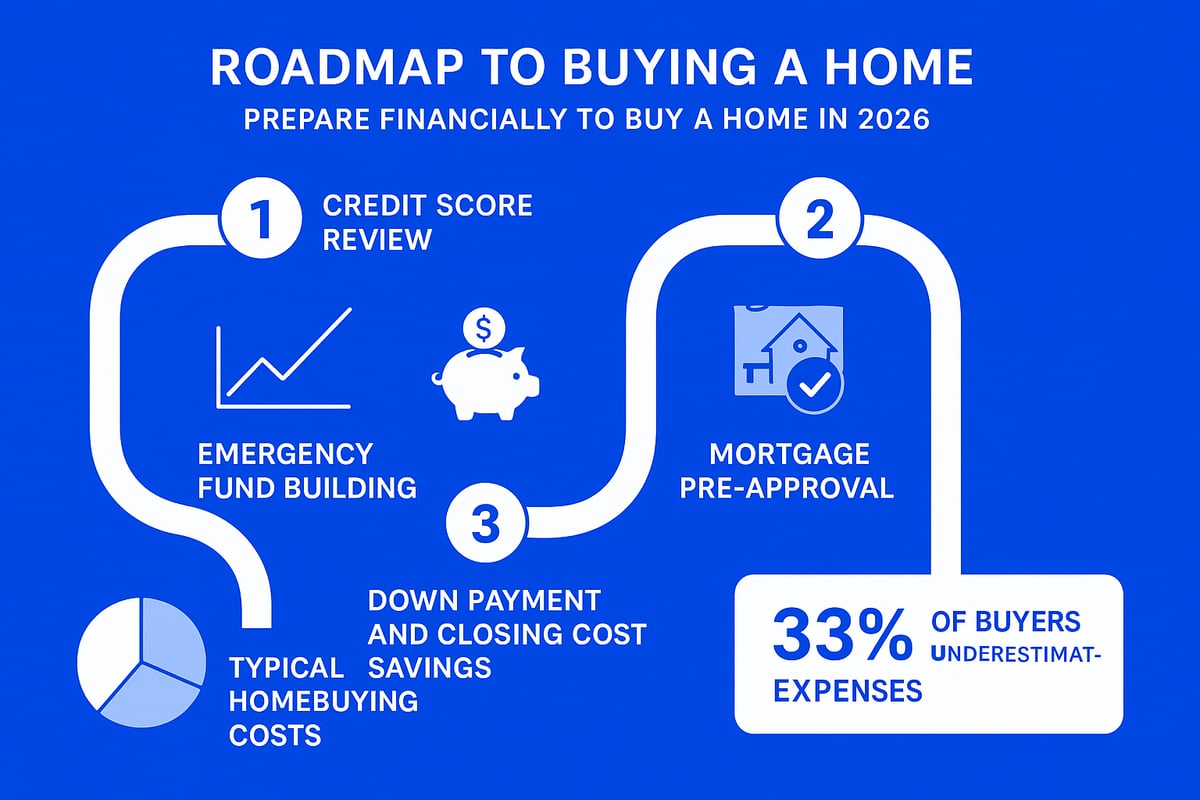
Your financial health is the foundation for buying your home. Begin by checking your credit score and reviewing your credit report for any errors. Aim for a score above 700 to access the best mortgage rates. Next, calculate your debt-to-income (DTI) ratio. Most lenders prefer a DTI below 43 percent, which increases your chances of mortgage approval.
It is essential to set a realistic homebuying budget. Factor in all monthly expenses, including utilities, insurance, and maintenance. Do not forget to build an emergency fund covering at least three to six months of living costs. This safety net protects your finances if unexpected expenses arise after buying your home.
In 2024, the National Association of Realtors found that 38 percent of buyers underestimated their true monthly costs. To avoid surprises, list all expected expenses and revisit your budget as you move forward.
Table: Key Financial Health Metrics for Homebuyers
| Metric | Target for 2026 Buyers |
|---|---|
| Credit Score | 700+ |
| DTI Ratio | Below 43 percent |
| Emergency Fund | 3-6 months’ expenses |
Saving for Down Payment & Closing Costs
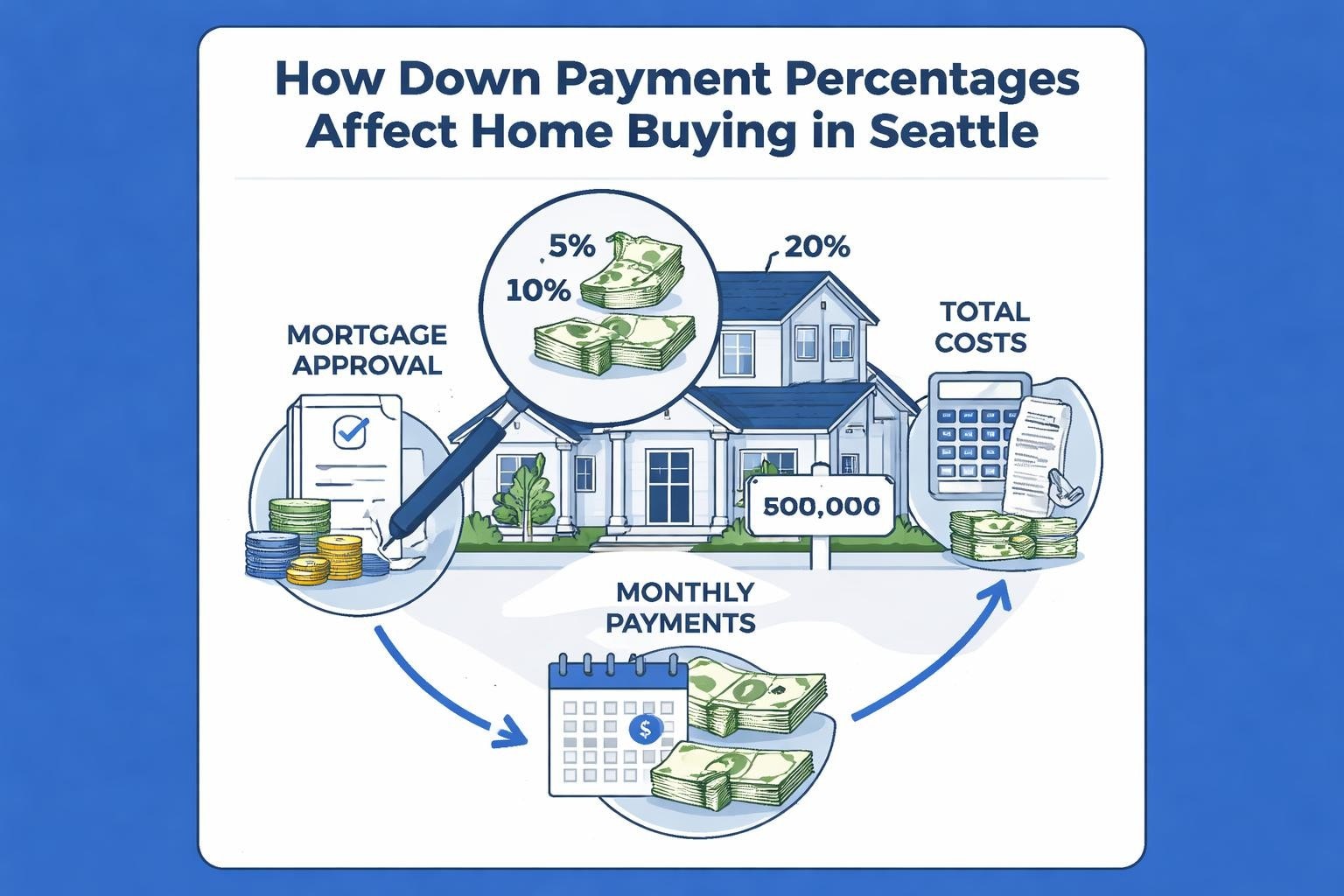
Saving for a down payment is a major milestone in buying your home. Down payments typically range from 3 percent for FHA loans to 20 percent for conventional loans. Jumbo loans may require even more. Explore down payment assistance programs in your state or city to reduce your upfront costs. For Washington buyers, Loan Down Payment Options in Washington offers detailed guidance on available programs and requirements.
Closing costs usually add another 2 to 5 percent of the purchase price. These include appraisal fees, title insurance, and loan origination charges. Plan for these expenses so you are not caught off guard at closing.
Consider using high-yield savings accounts or certificates of deposit (CDs) to grow your funds securely while you prepare for buying your home. For example, Seattle’s median home price exceeded $850,000 in 2023, which means buyers need substantial savings to cover both down payment and closing costs.
- Typical Down Payments: 3 percent (FHA), 5-20 percent (conventional), higher for jumbo
- Closing Costs: 2-5 percent of purchase price
- Savings Tools: High-yield savings, CDs
Mortgage Pre-Approval: Your First Step
Mortgage pre-approval is a critical step in buying your home. It demonstrates to sellers that you are a serious, qualified buyer and helps you define your price range. To get pre-approved, gather documents such as recent pay stubs, W-2s, tax returns, and bank statements.
Understanding the difference between pre-qualification and pre-approval is important. Pre-qualification is an initial assessment, while pre-approval involves a thorough review of your financial documents and credit history. In 2024, 85 percent of successful buyers were pre-approved before starting their home search.
Pre-approval not only strengthens your offer but also helps you act quickly in a competitive market. Prepare your paperwork early to avoid delays and increase your chances of buying your home on your terms.
- Required Documents: Pay stubs, W-2s, tax returns, bank statements
- Pre-Approval vs. Pre-Qualification: Pre-approval is more rigorous and reliable
- Tip: Get pre-approved before house hunting for the strongest position
Understanding the 2026 Real Estate Market
The real estate landscape in 2026 is undergoing rapid transformation, with new trends and technologies shaping the path to buying your home. Understanding these shifts is essential for making informed decisions and securing the best outcome. Whether you are a first-time buyer or a seasoned investor, knowing what to expect in 2026 will help you navigate the process with confidence.
Key Market Trends to Watch
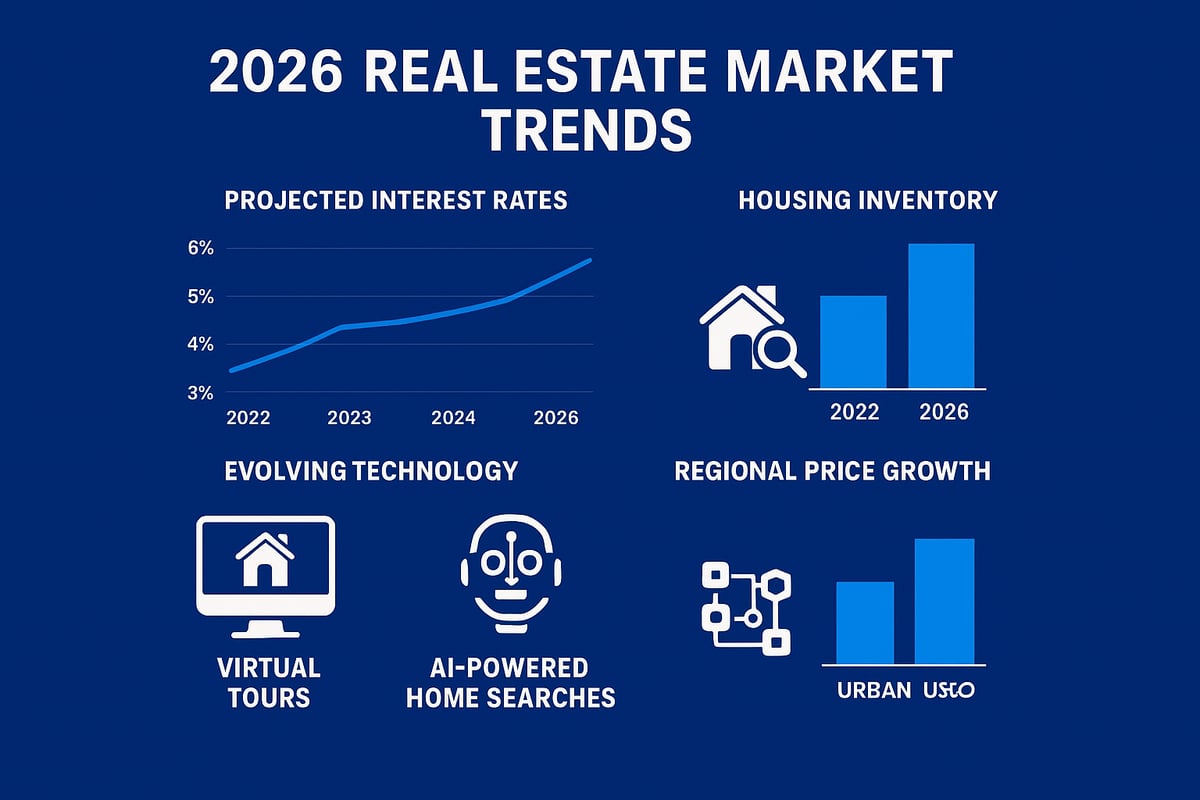
Interest rates are a major factor in buying your home in 2026. Experts predict rates may fluctuate as inflation and economic conditions shift, directly impacting affordability for buyers. Keeping an eye on these changes will help you lock in a favorable rate when the time is right.
Housing inventory is another pivotal trend. While 2023 saw record-low inventory, 2026 projections suggest a gradual increase, potentially shifting the market toward a more balanced environment. In some regions, buyers may encounter more options, while other areas remain competitive. Regional trends highlight continued growth in suburban markets, where prices climbed 15% higher year over year compared to urban cores in 2023.
For a comprehensive look at what’s ahead, consult 2026 real estate market projections to review anticipated shifts in inventory, pricing, and buyer demand. Staying informed about these patterns is critical for anyone focused on buying your home in the next few years.
The Impact of Technology on Home Buying
Technology is revolutionizing the process of buying your home in 2026. Virtual tours have become the norm, with 72% of buyers using them in 2024, a figure expected to rise. These immersive experiences let you explore properties from anywhere, saving time and making it easier to narrow down choices.
Artificial intelligence now powers home searches, offering personalized recommendations based on your preferences. Big data analytics can help predict neighborhood appreciation, giving you valuable insight into long-term investment potential. Digital closings are standard, streamlining paperwork and reducing delays.
Blockchain technology is also gaining traction for secure, transparent transactions. These tools not only make buying your home more convenient but also empower you to make smarter, data-driven choices. Embracing these advancements gives you a competitive edge in a fast-moving market.
Navigating Regulatory and Lending Changes
In 2026, regulatory shifts and lending standards are changing the landscape for buying your home. Lenders are tightening documentation and credit requirements, so it’s vital to maintain strong financial records and a healthy credit score. New rules may affect loan eligibility, making it important to stay updated on the latest guidelines.
Government-backed loan programs, such as FHA, VA, and USDA, are being updated to reflect market realities. For instance, FHA loan limits increased by 7% in King County between 2022 and 2024. Local zoning and tax laws are also evolving, directly influencing your options and costs when buying your home.
To avoid surprises, work closely with your lender and real estate professional. Being proactive about these changes ensures you are prepared for every step, reducing risk and increasing your chances of a successful purchase.
Step-by-Step Guide: The Home Buying Process in 2026
Embarking on the journey of buying your home in 2026 means navigating a process that is both exciting and complex. With evolving technology, shifting market conditions, and new buyer expectations, a clear step-by-step approach is essential. Here is your expert-backed blueprint for success.
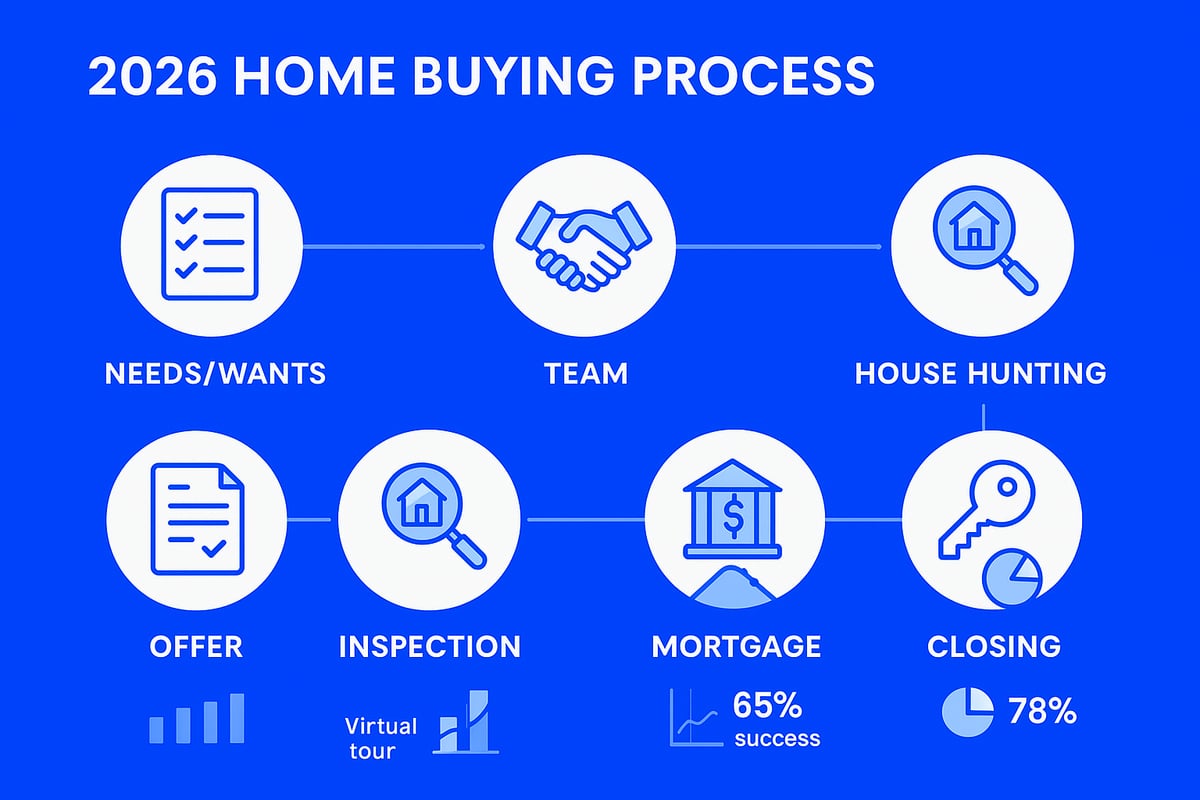
Step 1: Define Your Needs and Wants
The first step in buying your home is clarifying what you truly need versus what you would simply like to have. Start with a clear list of must-haves, such as number of bedrooms, preferred neighborhoods, and essential amenities. Distinguish these from nice-to-haves, like a finished basement or luxury finishes.
Consider your future plans. Will you need space for a home office, or room to grow your family? Proximity to transit, schools, and parks may influence your decision. In 2024, 61% of buyers prioritized a dedicated workspace, highlighting how work-from-home trends shape buying your home.
Break your list into categories:
- Location: commute, schools, walkability
- Size: bedrooms, bathrooms, square footage
- Features: outdoor space, parking, upgrades
Defining clear priorities helps you focus your search and prevents disappointment. By understanding your needs early, you set the stage for a more efficient and satisfying experience when buying your home.
Step 2: Assemble Your Home Buying Team
Building the right support network is critical for buying your home in 2026. Your team should include a licensed real estate agent, mortgage lender, home inspector, and, in some cases, a real estate attorney.
A skilled agent can guide you through the market and negotiate on your behalf. Choose professionals with proven experience in your target area and property type. Vet candidates by reviewing credentials, asking for references, and comparing recent client reviews.
Key team members:
- Real estate agent: market analysis, negotiations
- Mortgage lender: pre-approval, loan guidance
- Inspector: property condition assessment
- Attorney: contract and legal review (if required)
Buyers who worked with seasoned agents in 2024 saved an average of 2% off the listing price. The right team streamlines buying your home and helps you avoid costly mistakes.
Step 3: House Hunting Strategies
With your needs defined and your team in place, you are ready to begin the search for buying your home. Utilize advanced online platforms and AI-driven recommendations to filter listings that match your criteria. In-person and virtual tours allow you to efficiently explore properties, saving time and energy.
Evaluate each neighborhood for factors like safety, school ratings, and future development. Use online tools to compare walkability scores and local amenities. In 2024, 83% of buyers started their search online, making digital research central to buying your home.
For a detailed, location-specific approach, consult resources like How to Buy a Home in Seattle, which provides actionable steps and expert advice tailored to competitive markets.
Keep a checklist as you tour homes to compare options objectively. This methodical process ensures you stay focused on your priorities throughout buying your home.
Step 4: Making an Offer and Negotiating
When you find the right property, making a strong offer is crucial for buying your home in a competitive market. Start by reviewing recent sales in the area to determine a fair price. Work with your agent to craft an offer that stands out but fits your budget.
Key offer components:
- Price: competitive but realistic
- Contingencies: inspection, appraisal, financing
- Timeline: flexible or quick closing, as needed
Negotiation is a delicate balance. Know when to push for concessions, such as repairs or closing credits, and when to compromise to secure the deal. In 2024, 28% of homes in Seattle sold above asking price, so be prepared for counteroffers.
Your agent's expertise will be invaluable here. Clear communication and a well-structured offer can make all the difference in buying your home.
Step 5: Home Inspection and Appraisal
After your offer is accepted, the inspection and appraisal process begins. The inspection uncovers any potential issues, from foundation cracks to outdated electrical systems. Addressing red flags early can save you money and stress down the line.
The appraisal confirms the property's value for your lender. If the appraisal comes in below your offer, you may need to renegotiate or bring additional funds to closing. In 2024, 14% of deals fell through after inspections uncovered significant problems.
Stay involved during the inspection and review the report in detail. Use this phase to solidify your confidence in buying your home or to negotiate necessary repairs.
Step 6: Securing Your Mortgage
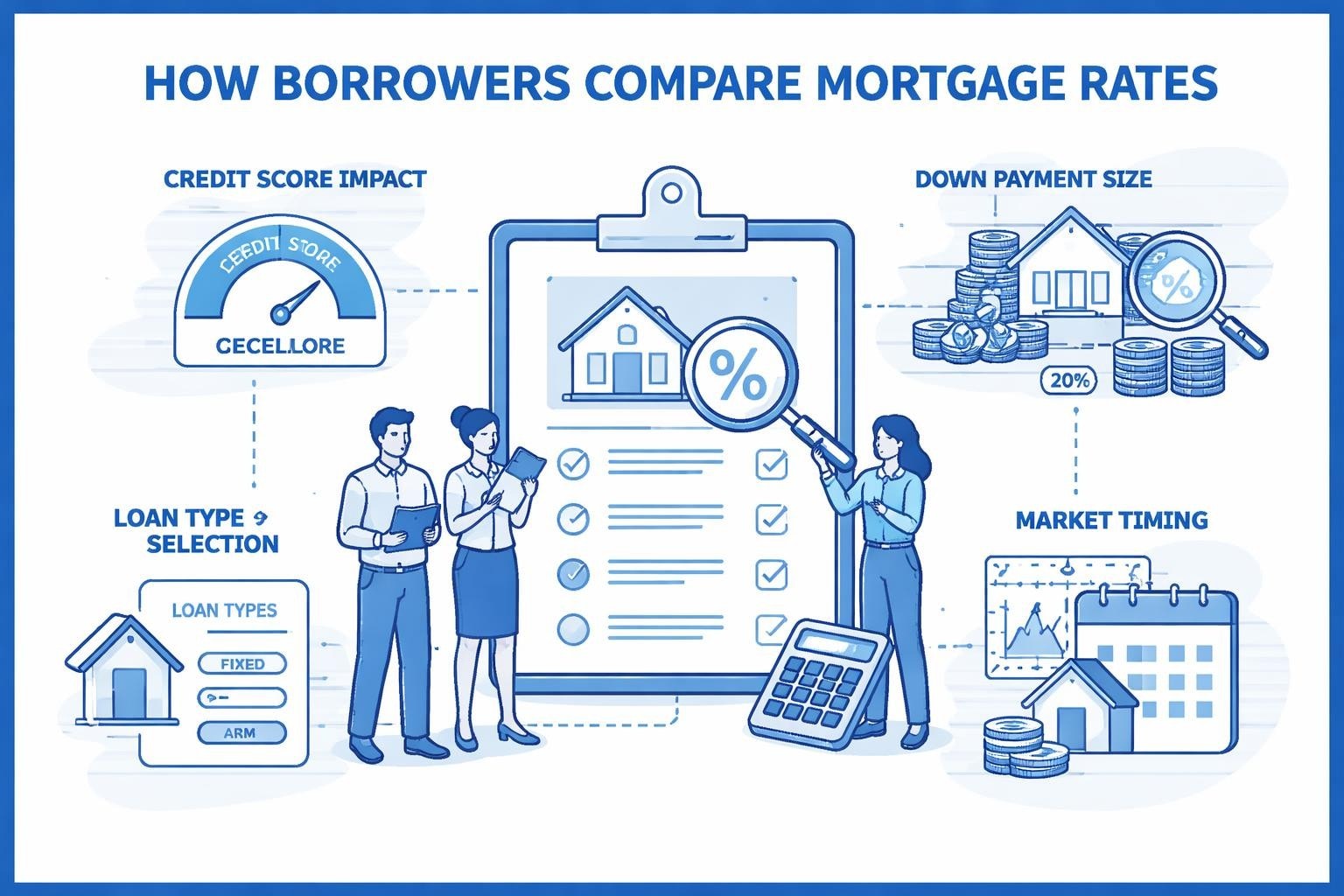
With the inspection and appraisal behind you, the next step in buying your home is finalizing your financing. Decide between fixed-rate and adjustable-rate loans, and explore options like FHA, VA, or jumbo loans based on your needs.
Lock in your interest rate as soon as possible, especially if rates are rising. Prepare all required documents for your lender, including pay stubs, tax returns, and bank statements. In 2024, the average closing timeline was 30 days, but fast-track options are available for well-prepared buyers.
Staying organized and responsive will keep the process on track. This step is fundamental to securing the keys to buying your home.
Step 7: Closing the Deal
The final stage of buying your home is the closing process. Conduct a final walkthrough to ensure the property is in agreed-upon condition. Review your closing disclosure carefully, confirming all figures match your expectations.
Be vigilant about wire fraud and only use secure, verified channels to transfer funds. In recent years, wire fraud attempts increased significantly, so double-check all instructions with your agent and lender.
On closing day, you will sign documents, transfer funds, and receive the keys. Congratulations, you have completed the journey of buying your home and can now look forward to making it your own.
Expert Insights for First-Time and Repeat Buyers
Preparing for buying your home in 2026 means understanding unique challenges and opportunities. Whether you are a first-time buyer or a seasoned investor, expert strategies can help you succeed in a fast-moving market.
Overcoming Common Challenges
First-time buyers face intense competition and rising prices. Bidding wars, limited inventory, and emotional ups and downs are common hurdles. In fact, first-time homebuyer share drops to 24%, highlighting how competitive buying your home has become for newcomers.
- Prepare for multiple offers by setting clear limits.
- Expect to lose at least one bid, as 49% of first-timers did in 2024.
- Manage emotions by focusing on long-term goals, not just the excitement of buying your home.
Stay persistent and flexible. Partnering with an experienced agent can give you a crucial edge during negotiations.
Strategies for Move-Up Buyers and Investors
Move-up buyers and investors approach buying your home with different priorities. Timing matters when selling your current property and purchasing a new one. Market trends show a 9% increase in investor purchases in major metro areas in 2024.
- Coordinate your sale and purchase to avoid costly overlaps.
- Use home equity as leverage for down payments or investments.
- Analyze market cycles to maximize returns on buying your home.
Investors should assess rental demand and future appreciation. A data-driven approach reduces risk and increases rewards.
Special Considerations for Tech Professionals and Remote Workers
Tech professionals and remote workers often face unique challenges when buying your home. Many have non-traditional income, such as RSUs or stock compensation, which can complicate loan approval.
- Work with lenders familiar with RSU and tech-based income.
- Prioritize locations with reliable internet, workspaces, and vibrant tech communities.
- In 2024, remote work influenced 31% of home moves, showing the importance of flexibility in buying your home.
Consider the long-term impact of remote work trends on property values and lifestyle.
How a Local Mortgage Broker Can Give You an Edge
A top-reviewed local mortgage broker can make buying your home smoother and faster. The Mortgage Reel, led by Keith Akada, offers Seattle buyers tailored strategies and fast-track approvals.

- Benefit from 9-business-day closings and expertise in qualifying tech income.
- Gain confidence through an education-first approach and 750+ five-star reviews.
- Maximize your buying power and close quickly, a decisive advantage when buying your home in a competitive market.
Working with a trusted broker ensures you are prepared for every step, from pre-approval to closing.
Avoiding Costly Mistakes and Pitfalls in 2026
Buying your home in 2026 offers exciting opportunities, but the process comes with risks that can cost you time, money, and peace of mind. By understanding the most common mistakes and learning how to navigate new challenges, you can protect your investment and move forward with confidence.
Common Home Buying Mistakes to Avoid
Many buyers stumble over similar hurdles when buying your home. One of the most frequent errors is skipping mortgage pre-approval or underestimating the true cost of ownership. In 2024, 38% of buyers were surprised by their monthly expenses, highlighting the importance of accurate budgeting.
Overbidding in a competitive market or waiving essential contingencies, such as inspections, can lead to regret. In fact, 21% of buyers in 2024 regretted waiving the inspection contingency. Ignoring inspection findings or failing to budget for repairs often results in unexpected costs.
To avoid these mistakes when buying your home, create a comprehensive budget and stick to it. Make use of resources like the Home Ownership Education Guide to fully understand the financial and procedural steps you'll face.
Protecting Yourself from Fraud and Scams
The digital age has brought new threats to buying your home. Phishing emails and wire fraud schemes are increasingly sophisticated. In 2022, real estate wire fraud losses reached $446 million, reflecting the scale of the problem.
Always verify communications with your agent and lender by calling official numbers, not replying to suspicious emails. Use only secure, verified channels for money transfers. Staying vigilant is essential to protect your funds and ensure a safe transaction when buying your home.
Legal and Contractual Traps
Contracts for buying your home are complex, and missing details can cost you dearly. Carefully review every term in your purchase agreement, and do not hesitate to consult a qualified real estate attorney if you have questions.
Local and federal regulations are evolving. Stay informed about updates that could affect your rights or obligations as a buyer. Taking these steps reduces your risk of legal disputes and ensures a smoother path to owning your home.
Planning for Long-Term Success
Buying your home is not just about closing day—it is about securing your future. Budget for ongoing expenses such as maintenance, HOA fees, and property taxes. Industry experts recommend saving 1-3% of your property's value annually for upkeep.
Setting up automatic savings for repairs and upgrades will keep your investment in top shape. When buying your home, planning ahead for these needs can help you avoid financial strain and maximize your property's value over time.
Maximizing Home Value and Equity After Purchase
Maximizing the value of your home does not end at closing. After buying your home, strategic upgrades and smart financial moves can rapidly increase equity and long-term wealth. Let us explore proven ways to boost your property’s worth and protect your investment for years to come.
Smart Home Improvements Post-Purchase
The journey of buying your home does not stop at move-in. Prioritize upgrades that deliver real returns. Energy-efficient improvements, such as adding insulation, installing solar panels, or upgrading to smart thermostats, can lower utility bills and appeal to eco-conscious buyers.
Focus on kitchens and bathrooms, as these spaces consistently offer the highest return on investment. For example, minor kitchen remodels recouped 72% of costs in 2024 according to Remodeling Magazine. Curb appeal matters, too: fresh landscaping, updated exterior paint, and modern lighting can make a strong first impression.
When planning improvements after buying your home, balance personal enjoyment with resale value. Small changes can significantly boost daily comfort and future equity.
Building Equity Faster
Building equity is a key financial benefit of buying your home. One effective strategy is making extra mortgage payments, even if just a little more each month. Over time, this can reduce the total interest paid and help you own your property outright sooner.
Refinancing when rates drop is another powerful tool. By securing a lower interest rate, you can lower monthly payments and potentially pay off your mortgage faster. Some homeowners choose to use their equity for renovations or new investments, further increasing their net worth.
For step-by-step guidance on how to accelerate your payoff timeline, see the expert tips in Pay Off Your Mortgage Faster. Consistently building equity after buying your home can unlock new financial opportunities.
Protecting Your Investment
After buying your home, protecting your investment is crucial. Create a regular maintenance schedule, including seasonal checklists for HVAC, roofing, and plumbing. Staying ahead of repairs prevents small issues from becoming expensive problems.
Review your insurance coverage annually. Make sure your policy reflects any major upgrades or changes to your property. In addition, monitor local property value trends and market conditions so you can make informed decisions about future improvements or refinancing.
Vigilance and proactive care help preserve the value of buying your home, ensuring it remains a solid foundation for your financial future.
Leveraging Your Home for Financial Goals
Once you have built equity by buying your home, you can leverage it to reach broader financial goals. Home equity lines of credit (HELOCs) and cash-out refinancing offer flexible ways to fund renovations, investments, or education expenses.
Many homeowners also generate income by renting part of their property, such as an accessory dwelling unit (ADU) or through short-term rentals. In 2024, 17% of buyers planned to use ADUs for rental income, demonstrating the growing appeal of this strategy.
When buying your home, think beyond ownership. With smart planning, your property can support wealth-building, create passive income, and provide financial security for years to come.
If you’re feeling inspired to step confidently into the 2026 home buying landscape, you’re already on the right track by seeking expert insights and practical planning strategies. Whether you’re a first-time buyer or a seasoned investor, navigating today’s fast-paced market takes more than just research—it takes guidance tailored to your unique goals and circumstances. I believe the best next step is a personal conversation about how you can apply these principles to your own journey, with support every step of the way. When you’re ready, Let’s have a conversation and start building your path to homeownership success.