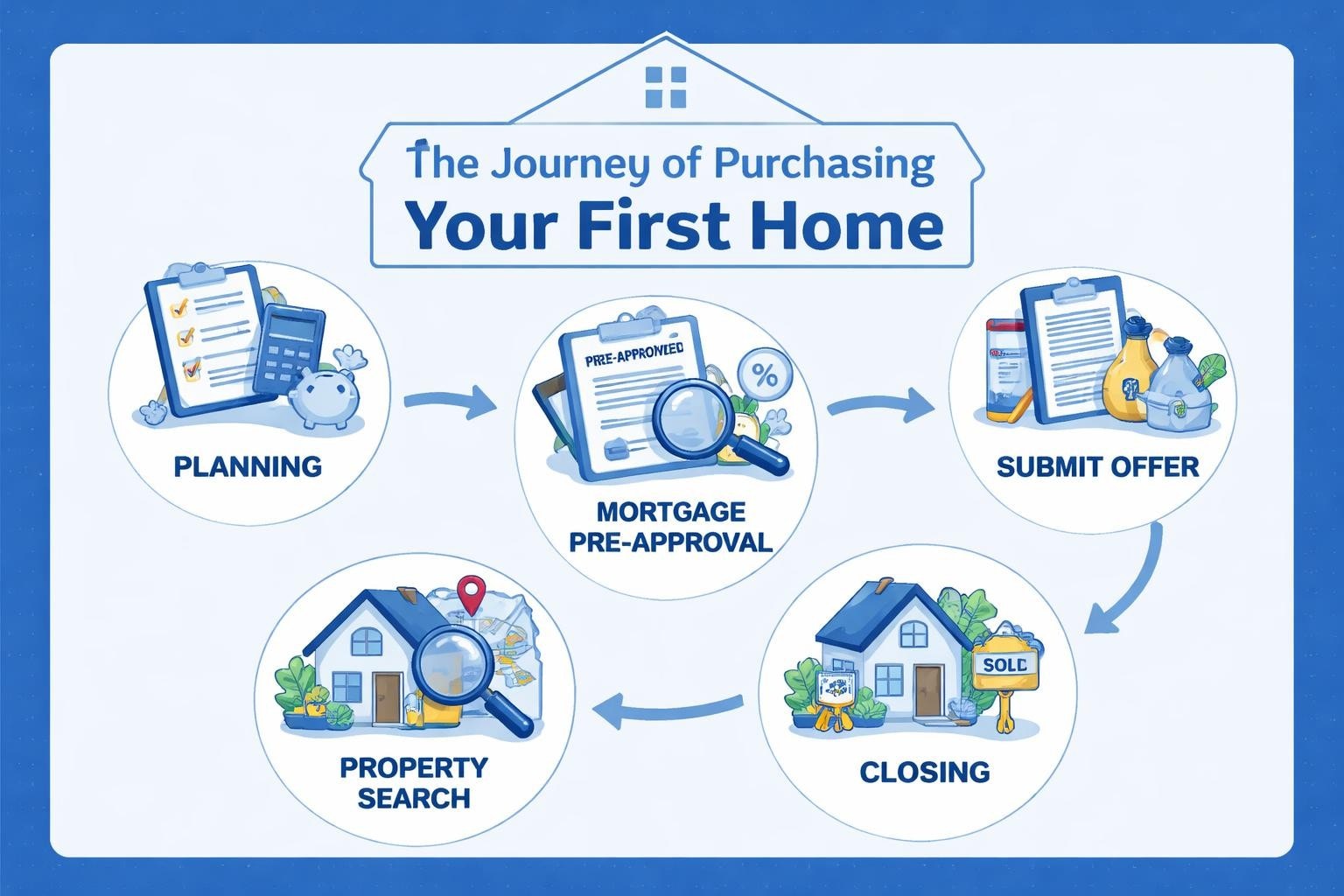


Seattle-area real estate has a way of making even confident people second-guess themselves. You can be decisive at work, manage complex projects, and still feel your stomach drop when an agent says, “We’ve got multiple offers.” If you’re a veteran or active-duty service member, you also have one of the strongest home financing tools in the country—the VA loan. The catch is that strength only helps if you understand how to use it in a real market with real trade-offs.
That’s where a homeownership education course for veterans earns its keep. Not because you need a motivational pep talk, but because a good course turns the VA loan from “something I qualify for” into a clear, practical strategy for winning a home you can comfortably afford.
What a homeownership education course for veterans actually does
A strong course isn’t a lecture about how mortgages work in theory. It’s more like pre-deployment planning: you map the terrain, identify risks, and decide what you’ll do before the pressure hits.
In a veteran-focused homeownership class, the best content usually lands in three areas.
First, it translates the VA benefit into decisions you’ll make quickly in a competitive transaction—how to structure an offer, how to think about an appraisal, what fees are negotiable, and what’s actually required versus “nice to have.”
Second, it puts your budget on rails. Most buyers don’t get in trouble because they can’t afford a payment—they get in trouble because they didn’t plan for the full cost of owning: insurance, utilities, repairs, reserves, and the reality that your payment can change if taxes and insurance change.
Third, it helps you spot myths early. Veterans hear a lot of half-truths: “VA loans take forever,” “Sellers hate VA,” or “You can’t compete without a huge down payment.” A quality course replaces that noise with specifics.
The VA loan basics you’ll want the course to nail down
If you’re already familiar with VA loans, you may still find value in seeing the pieces lined up in the same place—especially the details that affect your offer.
Eligibility and the Certificate of Eligibility (COE)
Most veteran buyers understand they’re “eligible,” but the transaction still needs documentation. A course should explain the COE, what it reflects, and how entitlement works—especially if you’ve used the VA benefit before or currently own a home.
Zero down is a feature, not a requirement
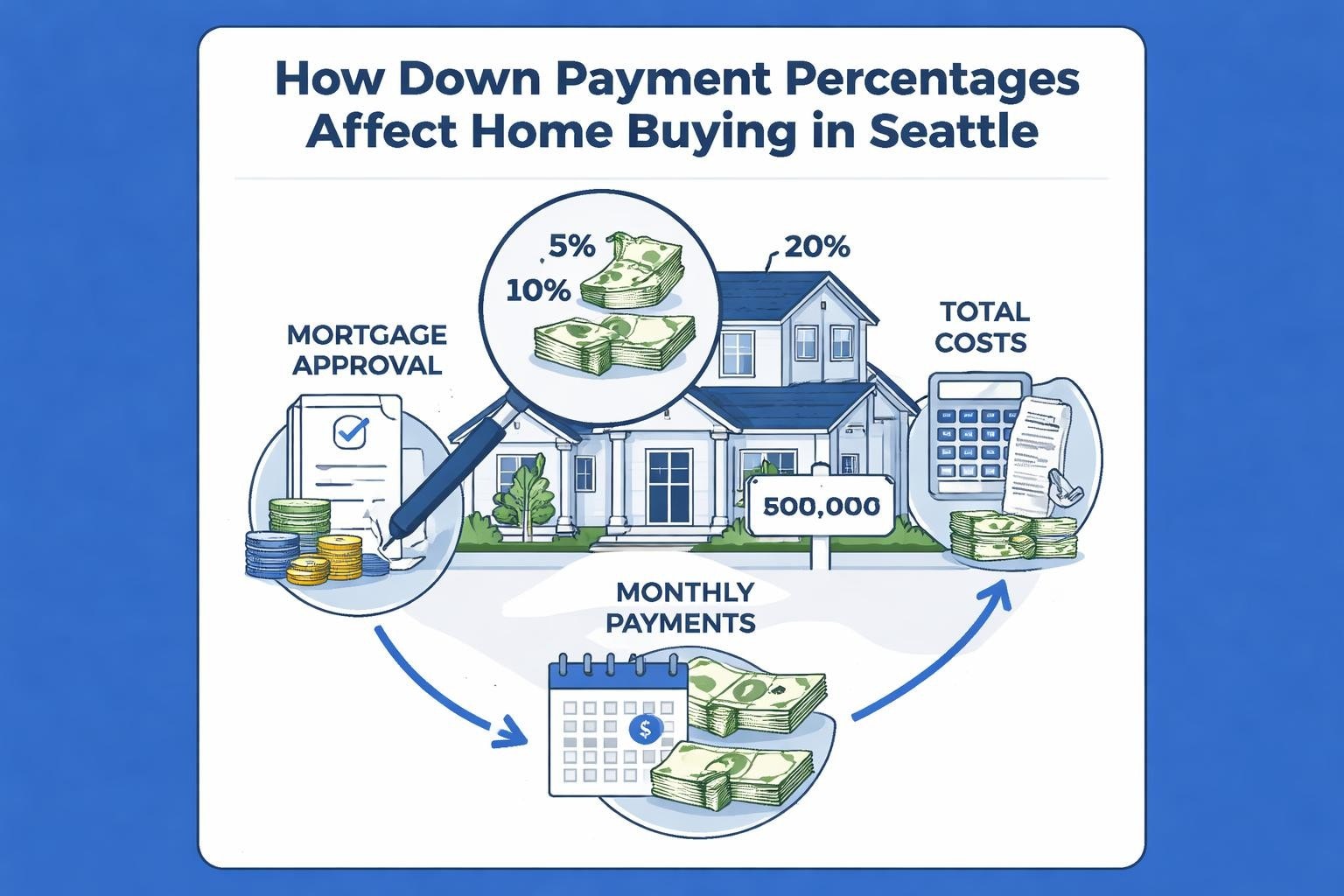
A VA loan’s zero-down option is powerful. But in higher-priced areas like Seattle and Bellevue, the decision to put money down can be strategic. Sometimes it’s about lowering the monthly payment; sometimes it’s about staying under a specific loan limit threshold; sometimes it’s about keeping cash available for reserves after closing.
A good course doesn’t push one “right” answer. It shows you scenarios and lets the numbers decide.
Funding fee and exemptions
The VA funding fee can be a meaningful cost, and it varies based on down payment and whether you’ve used the benefit before. Many veterans are exempt due to service-connected disability status. A course should walk through how exemptions work in practice and what documents are typically needed so you’re not scrambling late in escrow.
Appraisal and Minimum Property Requirements (MPRs)
This is where VA myths tend to grow.
VA appraisals are designed to protect the buyer and the program. They also come with property standards that can matter for older homes or fixer-uppers. In the Pacific Northwest, you’ll want a clear explanation of what issues commonly show up—roof condition, peeling paint on older homes, safety items, water damage—and what’s negotiable versus what has to be fixed.
A course should also explain the appraisal gap problem: if a home appraises below the contract price, you may need to renegotiate, bring cash, or walk away. Knowing those options before you’re emotionally attached changes your leverage.
The money part: budgeting like a homeowner, not a renter
A veteran-focused class should spend time on what the payment really is. Your mortgage payment is principal and interest, but your total monthly housing cost often includes property taxes, homeowners insurance, and possibly HOA dues. If you buy a condo in Bellevue, HOA dues can be significant; if you buy a house, maintenance is real, even if you’re handy.
The most useful courses push you to choose a “comfortable payment” first, then back into a purchase price. That’s the opposite of how many online calculators nudge you.
This is also where tech compensation needs to be handled carefully. RSUs, bonuses, and variable income can support qualification, but they also fluctuate. A strong class won’t just say “lenders can use RSUs.” It will highlight the documentation timelines and the risk management side: how to avoid building a lifestyle around income that isn’t guaranteed.
Credit, DTI, and the parts people get wrong
Many first-time buyers assume VA means credit doesn’t matter. It does.
A course should explain credit like a tool, not a grade. Your score can influence pricing, your approval path, and how strict underwriting will feel. You’ll also want a clear explanation of debt-to-income (DTI): the ratio lenders use to compare your monthly debt payments to your income.
Here’s where nuance matters. A higher DTI isn’t always a deal-killer with VA, but it can reduce your flexibility. In a competitive market, flexibility is often what lets you move fast—whether that’s absorbing a slightly higher rate, choosing a shorter closing timeline, or keeping more cash in reserve.
Making VA offers competitive in Seattle and Bellevue
Courses that are too generic don’t help you when offers are due Monday at noon.
A course worth taking should talk about how VA offers are actually received by listing agents and sellers. Sometimes the hesitation isn’t about VA at all—it’s about uncertainty. People fear delays.
Your job is to remove uncertainty. That can mean choosing a lender known for fast closings, having clean documentation ready, and writing an offer that’s clear and professionally packaged.
It also means understanding the trade-offs of common tactics:
An escalation clause can strengthen your offer, but it can also raise your final price quickly.
A larger earnest money deposit can show seriousness, but it ties up cash.
Short inspection periods can make you competitive, but you need to be sure you’re not taking on hidden repair risk.
A homeownership class should help you think through these choices with a calm head—before you’re staring at a decision deadline.
Choosing the right homeownership education course (and avoiding the fluff)
Not every course is built for veterans, and not every “veteran” course is practical.
Look for a course that’s clear about what it covers: VA loan mechanics, budgeting, credit/DTI, offer strategy, appraisal outcomes, and closing timelines.
Also look for specificity. If the instructor can’t answer questions like “What happens if the VA appraisal comes in low?” or “How do funding fee exemptions get documented?” you’re probably getting a generic homebuyer class with a VA label.
Finally, make sure the course respects that veterans aren’t a monolith. A recently separated E-5 buying a starter home has different constraints than a senior tech employee with RSUs buying in a high-cost neighborhood. A good course makes room for both.
A realistic mini case study from this market
Here’s a common Seattle-area scenario.
A veteran buyer with strong income is preapproved and targets a move-in-ready home. They’re attracted to zero down, but they also want to keep cash for reserves because their compensation includes RSUs that vest quarterly.
In the course, they learn two things that change their approach: (1) the appraisal gap risk in a bidding situation and (2) how cash reserves can matter for comfort and, in some cases, underwriting.
They decide to keep a conservative reserve cushion, structure a clean offer with a realistic close timeline, and avoid stretching to the maximum purchase price just because a calculator says they can. They don’t “win” every offer, but when they do win, they’re not house-poor.
That’s the win a good course creates: fewer regrets later.
Where education meets execution
A course can give you the playbook. You still need an execution team that can move quickly, communicate clearly, and keep you out of avoidable mistakes.
If you’re buying in Seattle, Bellevue, or King County and want guidance that stays transparent from preapproval through closing, you can work with a local mortgage broker like The Mortgage Reel (Keith Akada). The right partner should be willing to explain your options in plain English, run scenarios, and tell you when a “smart” move on paper becomes risky in real life.
Buying a home as a veteran isn’t about proving you can handle stress—you already have. It’s about building a plan that lets you stay calm when the market gets loud, so the home you win is one you’ll still feel good about years from now.