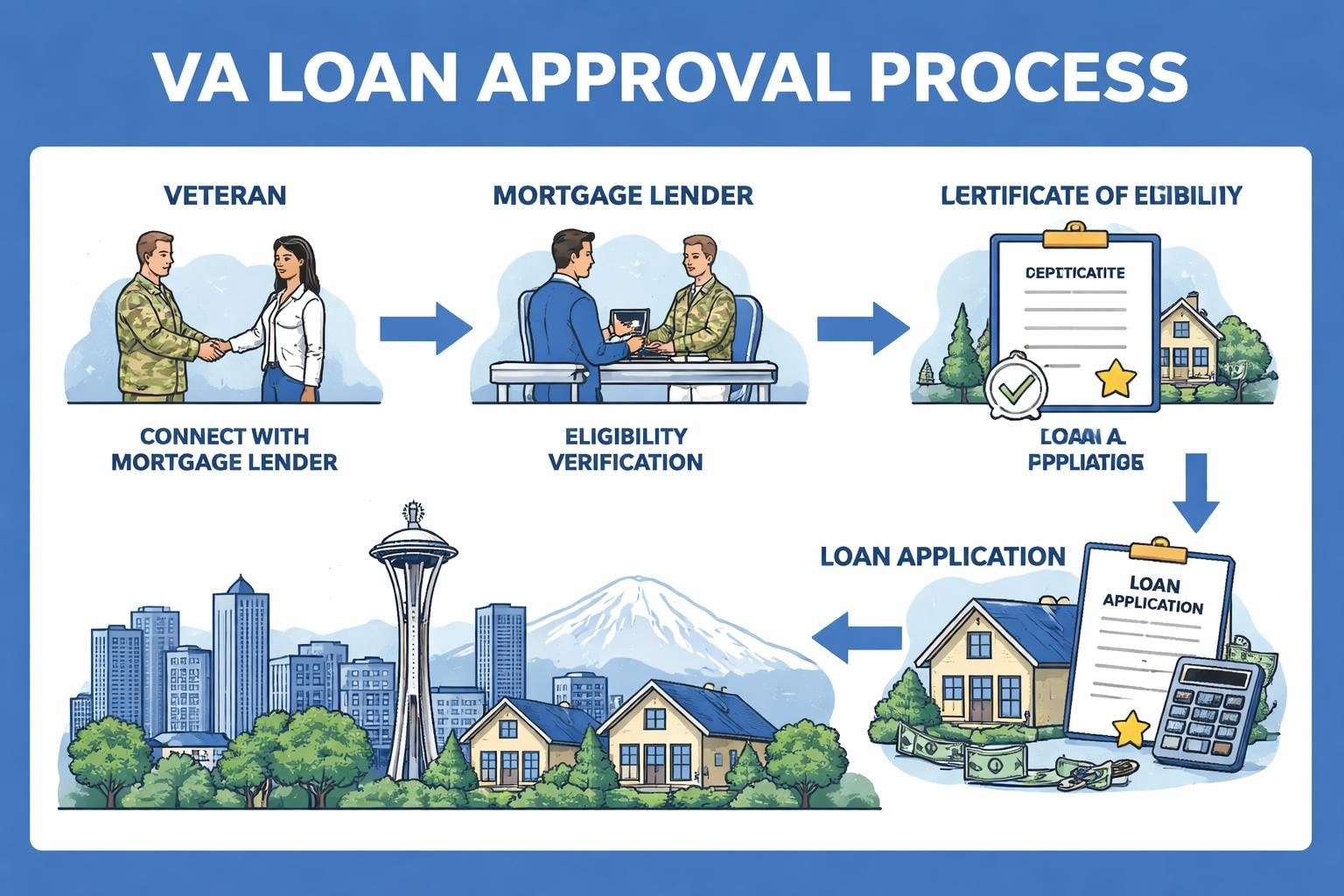


Seattle buyers know the feeling: you find a home in Ballard or Bellevue, the open house is packed, and the listing agent is already hinting at multiple offers. In a market like this, the financing behind your offer is not a background detail – it is part of your strategy.
If you are eligible, a VA loan can be one of the strongest tools available. Not because it is “easy,” but because it can create real leverage: lower cash required up front, competitive pricing, and guidelines built to protect the borrower. Below is a clear look at VA loan benefits for Seattle residents and how they show up in real life across King County.
Why the VA loan is a big deal in Seattle
Seattle home prices put pressure on down payments. Even buyers with strong incomes can feel boxed in by the trade-off between saving for a down payment and staying liquid for closing costs, reserves, moving expenses, and the first year of homeownership.
A VA loan is designed to reduce that pressure while keeping the loan structure stable. For many veterans and active-duty service members, it can be the difference between buying sooner with a healthier cash cushion, or waiting longer while prices keep moving.
There is also a competitiveness angle. In tight neighborhoods where sellers care about closing certainty, a well-structured VA offer with a strong preapproval and clean terms can compete with conventional financing. The loan itself is not the issue. The preparation is.
Core VA loan benefits for Seattle residents
Zero down is the headline, but liquidity is the real win
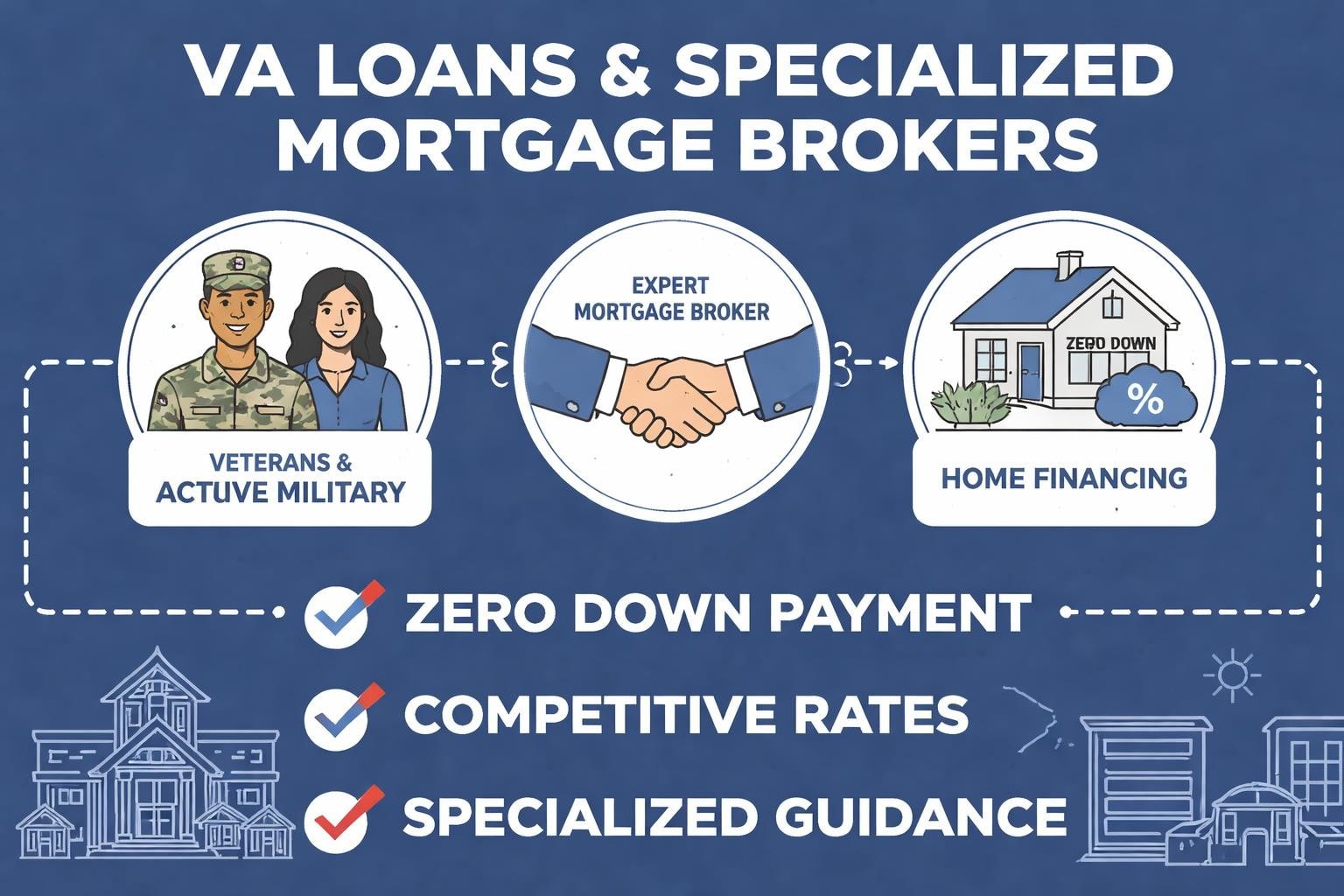
The most well-known VA benefit is the ability to purchase with 0% down in many scenarios. In Seattle, that can preserve a significant amount of cash.
But the bigger win is flexibility. Keeping funds available can help you cover an appraisal gap if needed, pay for repairs after closing, or maintain reserves that make you feel secure. For tech professionals whose compensation includes RSUs or bonuses, liquidity matters because cash flow may be uneven even when annual income is high.
It is worth adding a nuance: 0% down does not mean 0 dollars to close. You will still have typical closing costs, prepaid items like homeowners insurance, and potentially escrow funding depending on how the loan is set up.
No monthly mortgage insurance
Many low-down-payment conventional loans require private mortgage insurance (PMI). FHA loans include mortgage insurance as well. VA loans do not have monthly mortgage insurance.
In a market where loan balances are large, removing monthly mortgage insurance can have a meaningful impact on your payment and long-term cost. It also helps with qualifying because your debt-to-income ratio is not inflated by an extra insurance line item.
Competitive interest rates and pricing
VA loans often price competitively versus conventional options, especially for borrowers who would otherwise put down a smaller amount. Rates and pricing are never one-size-fits-all – they depend on credit, loan structure, points, and timing – but VA financing frequently compares well.
In Seattle, even a small rate difference can matter because balances are high. Over time, that can translate into real savings or increased buying power.
More forgiving credit guidelines, with common-sense underwriting
VA loans are not “no credit” loans, and they still require solid documentation and underwriting. But compared to some conventional overlays, VA guidelines can be more flexible around past credit events when the borrower has re-established strong payment history.
That said, Seattle buyers should be careful about assuming flexibility equals approval. Underwriting still evaluates risk. If you have high revolving utilization, unstable income, or large undisclosed debts, the loan will feel just as strict as any other.
Appraisal and property standards that protect you
VA appraisals include a safety component often referred to as Minimum Property Requirements (MPRs). In competitive markets, buyers sometimes worry this will hurt them.
Here is the reality: the VA standards are there to prevent you from buying a home with major health and safety issues that would be expensive to fix after closing. Peeling paint on older homes, missing handrails, roof concerns, and obvious moisture problems are common examples.
In Seattle’s housing stock – where older Craftsman homes and mid-century properties are common – this can be a feature, not a bug. The trade-off is that if a home truly needs work, you may need a plan: negotiate repairs, choose a different property, or look at renovation financing alternatives.
Assumability can become a future advantage
VA loans are assumable, meaning a qualified buyer may be able to take over your existing VA loan terms in the future. This is not always simple, and it requires lender and VA approval. But in a higher-rate environment, assumability can make your home more attractive to future buyers.
It is not a reason to buy a home by itself, but it is a strategic benefit that many buyers do not consider until rates rise.
The VA funding fee: the main trade-off to understand
VA loans typically include a funding fee, which helps keep the program running without requiring monthly mortgage insurance. The funding fee varies based on factors such as whether you have used your VA benefit before, your down payment amount (if any), and your service category.
Some borrowers are exempt, including many veterans receiving VA disability compensation. If you are exempt, the value of VA financing often becomes even stronger.
If you are not exempt, you usually have the choice to roll the funding fee into the loan amount or pay it at closing. In Seattle, many buyers choose to finance it to preserve cash, but the right choice depends on your goals and how long you plan to keep the home.
Using a VA loan in Seattle’s competitive offer environment
The strongest VA offers are the ones that feel predictable to the seller. That comes from preparation, not buzzwords.
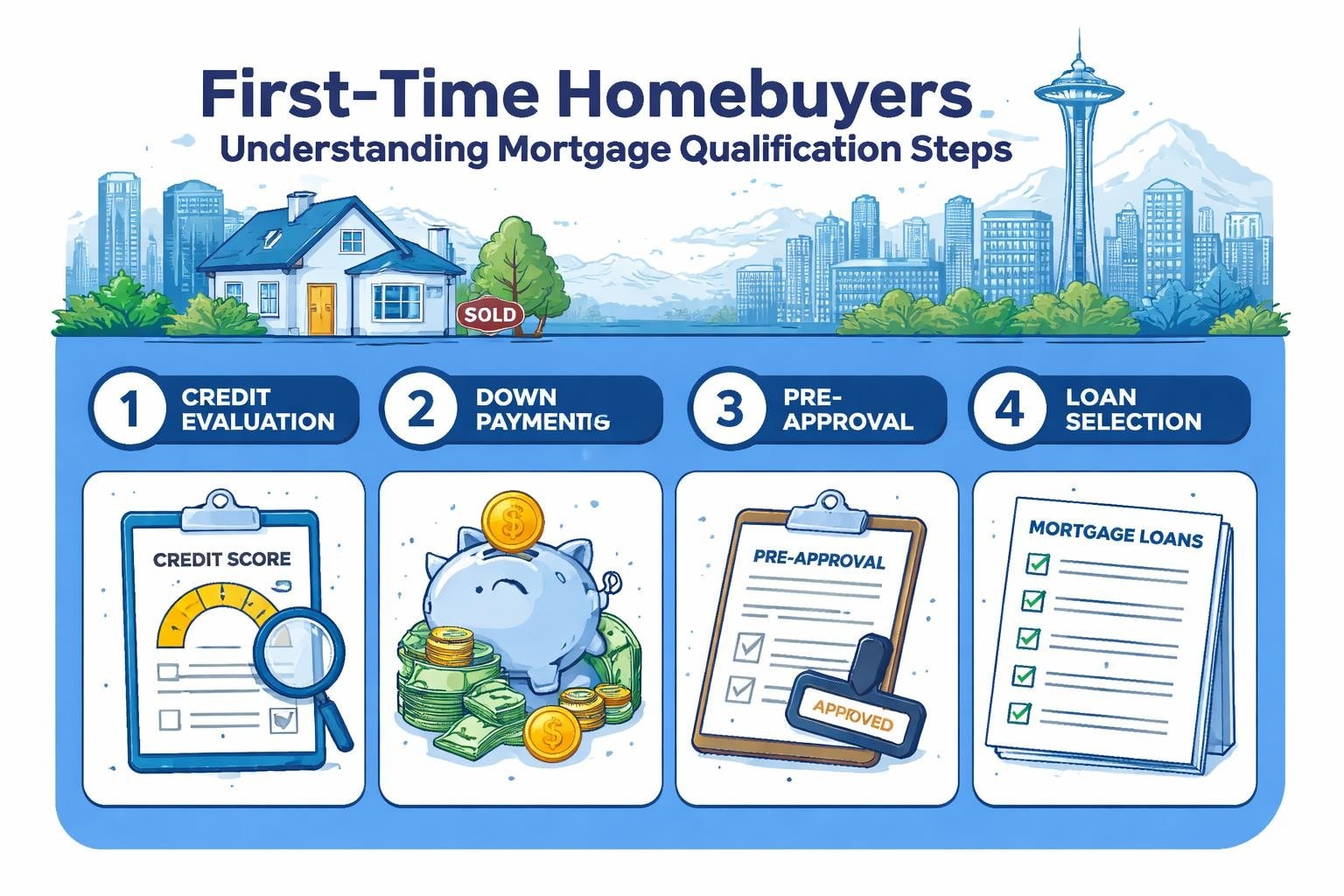
A high-quality preapproval matters. Sellers and listing agents can tell the difference between a quick online prequal and a fully underwritten or thoroughly documented approval. When your file is clean upfront, the path to closing is smoother.
Timing also matters. Seattle-area contracts move fast, and sellers often prefer shorter closing timelines. VA loans can close quickly with the right team and documentation, but the buyer has to be responsive. If you are relocating or juggling a demanding job, plan your paperwork time the same way you plan your offer strategy.
Finally, be thoughtful about inspection and appraisal expectations. VA does not prevent you from buying a home that needs cosmetic updates. It focuses on safety and livability. Knowing what might trigger repairs helps you target homes that fit the loan program without last-minute surprises.
A Seattle example: strong income, smarter cash strategy
A common scenario I see in King County is a buyer working at a major tech company with a strong base salary and meaningful RSUs, but they do not want to drain savings for a down payment.
With VA financing, that buyer may choose 0% down, keep reserves intact, and still present a serious offer with strong earnest money and clean terms. The monthly payment can also be more efficient because there is no PMI.
The key is documenting income correctly, especially if stock compensation is part of your qualifying profile. RSUs can help in the right circumstances, but they must be documented and analyzed properly. This is one area where local experience and careful underwriting strategy make a difference.
When VA might not be the best fit
VA is powerful, but it is not automatic.
If you are buying a condo, the building may need to be VA-approved, or the approval process may take time. Some Seattle condo buildings are already approved, while others are not. That can limit inventory if you are set on a particular building.
If the home has condition issues that will not meet VA standards, you may end up renegotiating or walking away. That is not always bad – it can save you from a money pit – but it can be frustrating if you are focused on fixer-uppers.
And while VA rates are often competitive, there are moments when a conventional loan with a large down payment and excellent credit can price similarly or even better. The right comparison is not just rate. It is total cost, cash required, and risk.
What to do before you shop
Before you tour homes, confirm your VA eligibility and get clear on your entitlement. If you have used a VA loan before, or you still own a home financed with VA, it does not mean you cannot use the benefit again – but the math matters.
Next, decide what “strong offer” means for you. In Seattle, that often includes having reserves, moving quickly with documentation, and choosing a payment level you can live with even if property taxes and insurance rise over time.
If you want a second set of eyes on your numbers and your strategy, The Mortgage Reel works with Seattle-area buyers every day and can walk through VA scenarios alongside FHA, conventional, and jumbo options so you can choose based on facts, not assumptions.
Buying in Seattle is rarely about finding a perfect deal. It is about building a plan you can execute confidently when the right home shows up – and if you have earned VA eligibility, you should make sure that benefit is working as hard as you did to earn it.