

The first time you see a Seattle listing go pending after one weekend, it can feel like you are losing a race you did not know you entered. Most first-time buyers do not need more hype. They need a small set of educational resources that explain what matters, what is optional, and what changes based on your finances and the neighborhood you are targeting.
This is a practical map of educational resources for first-time buyers, with special attention to how buying works in Seattle, Bellevue, and King County. Not a glossary. Not a lecture. The goal is to help you build a decision stack you can trust when the market moves fast.
Start with the right kind of “education”
There is a difference between learning mortgage vocabulary and learning how to make a purchase that fits your life. The best resources do three things: they give you a clear sequence (what happens first, second, third), they show trade-offs (not just “best practices”), and they help you quantify decisions in dollars and timelines.
If a resource makes everything sound easy, it is usually skipping the parts that cost money: rate changes, appraisal issues, inspection findings, HOA rules, and underwriting conditions. Those are not “gotchas.” They are normal, and your education should include them.
Build your personal homebuying dashboard
Before you read about loan programs or watch another neighborhood tour, get your own numbers into a simple dashboard. This is the foundation that makes every other resource more useful.
You want three outputs: a monthly payment range you can live with, a cash-to-close range you can execute without draining your reserves, and a timeline that matches your lease, relocation, or family plans. Your inputs are straightforward: gross income, bonus/RSU patterns, existing debts, current savings, and how stable your employment is.
A key “it depends” point for tech professionals: stock compensation changes how lenders can count income. RSUs that have not vested are not the same as vested shares, and irregular vesting schedules can affect how income is averaged. A solid educational resource will show you how to document that income and how it can influence both qualifying and comfort level.
Resource: a payment worksheet you can update weekly
Use a simple worksheet that models payment using purchase price, down payment, interest rate, property taxes, insurance, and HOA dues. In King County, taxes and HOA dues can swing your payment more than buyers expect, especially for condos and newer townhomes.
Your worksheet should also include two “reality lines”: one for maintenance (homes) or special assessments risk (condos), and another for utilities. The goal is not perfection. It is to prevent a surprise $600 difference between “mortgage payment” and “actual monthly housing cost.”
Learn the loan options by decision, not by label
Most first-time buyers get overwhelmed because loans are taught like menus. A better educational approach is to learn loans by the decision they affect: cash required, monthly payment, and competitiveness of your offer.
Conventional loans: flexibility if your profile is strong
Conventional financing often provides competitive rates and multiple down payment options. The trade-off is that lenders scrutinize credit, reserves, and stable income. If your job or compensation is complex, your educational resources should include examples of documentation requests, because those requests drive how quickly you can close.
FHA loans: lower barriers, different constraints
FHA can be helpful when a smaller down payment or a thinner credit file is the limiting factor. The trade-off is mortgage insurance rules and, in some scenarios, property condition requirements that can matter in older housing stock. A good resource will not only explain FHA, but also when it can make an offer less competitive and how to compensate with strong terms.
VA loans: powerful benefits for eligible buyers
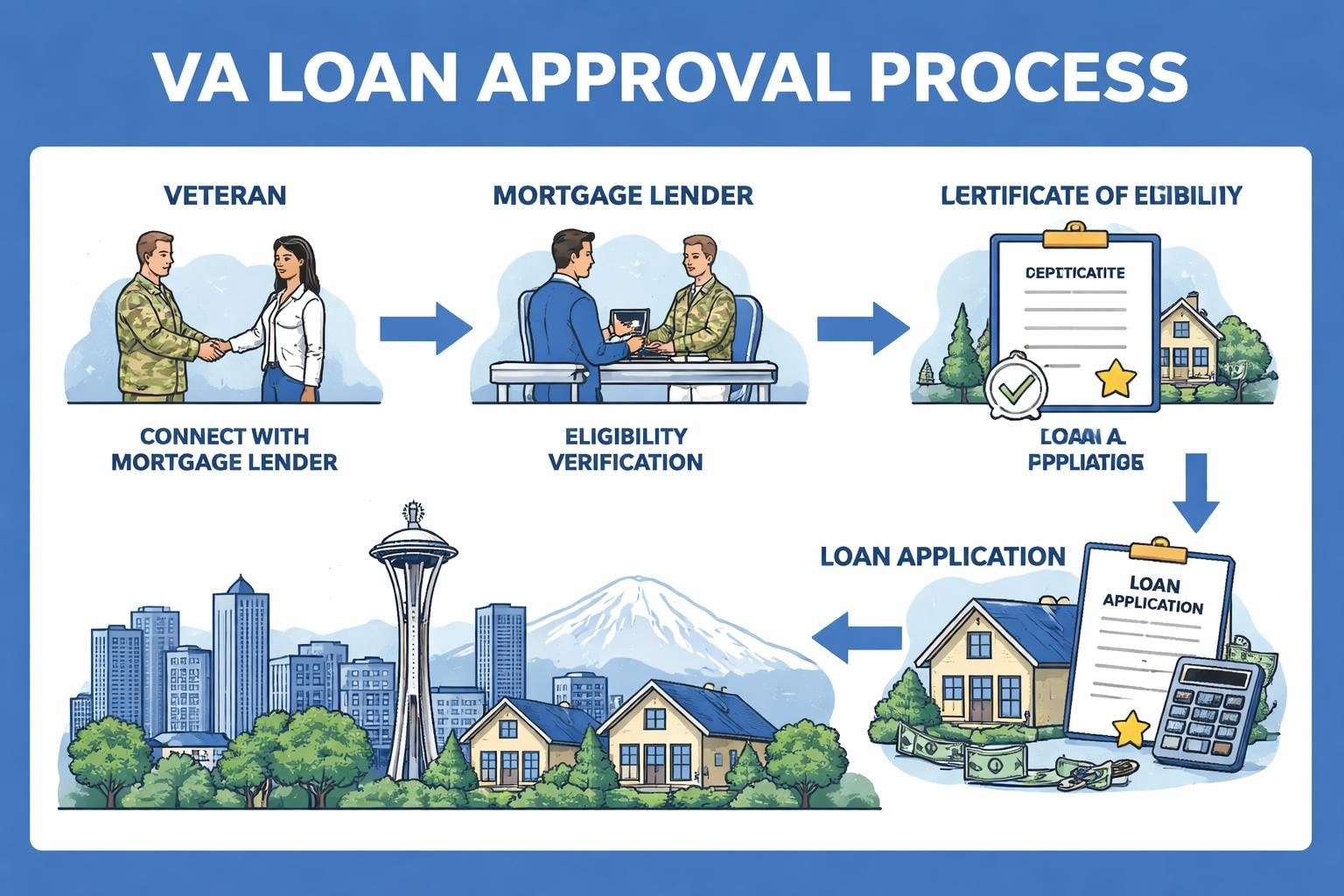
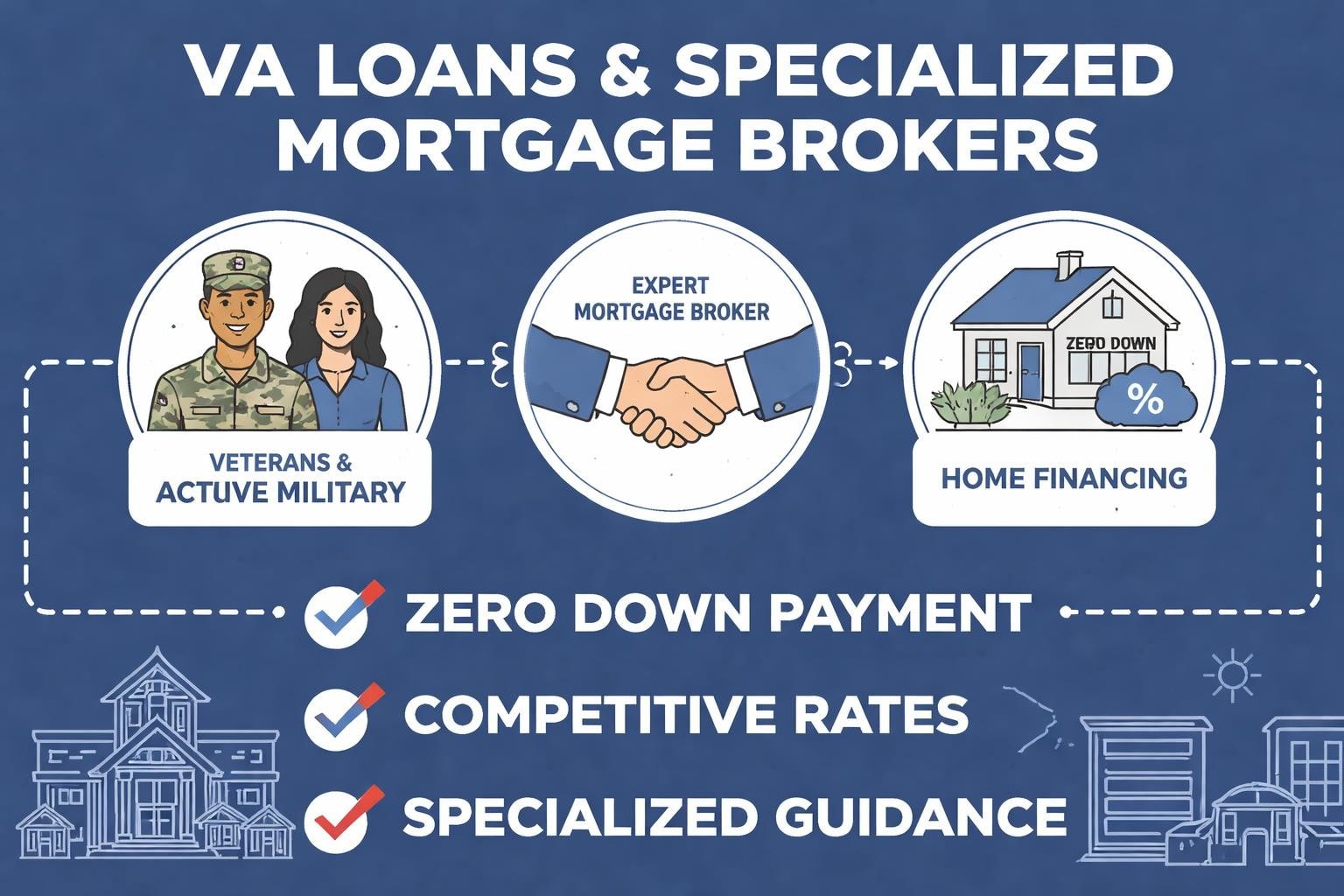
VA loans can be an excellent fit for eligible veterans and service members. The education you need here is not just about “zero down,” but about how the appraisal and condition standards work and how to write an offer that stands up in a competitive market.
Jumbo loans: common in high-demand neighborhoods
In Seattle and Bellevue, it is easy to cross into jumbo territory depending on the home type and location. Jumbo guidelines vary more between lenders, so your educational resources should include a checklist of what changes: reserve requirements, documentation, and how rate pricing reacts to down payment size.
Pre-approval education that goes beyond the letter
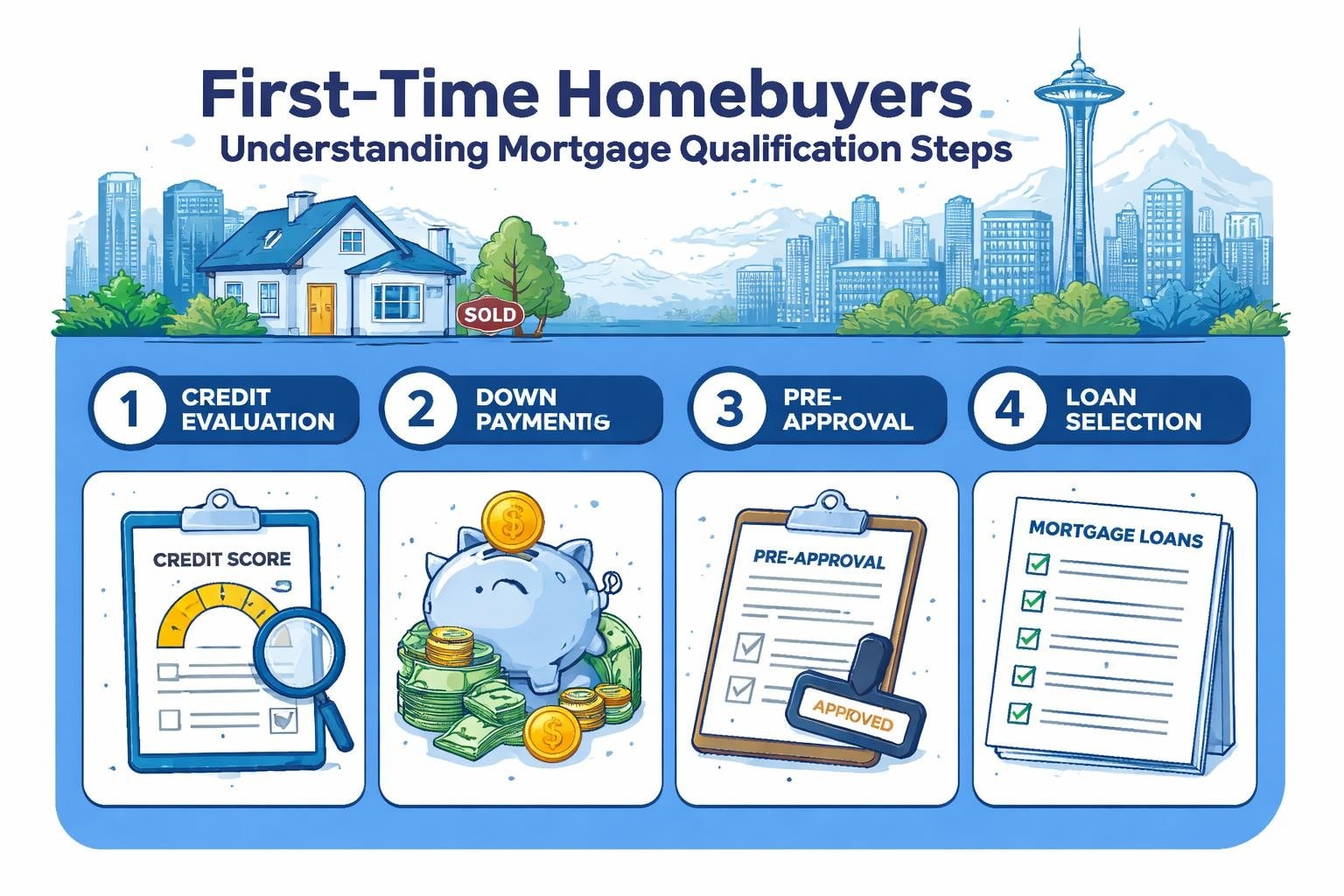
A pre-approval letter is not the education. It is the output. The education is understanding what makes a pre-approval reliable.
You want to learn the difference between a quick pre-qualification and a fully underwritten pre-approval. The more your file is validated upfront, the fewer surprises you face when you are trying to close on a tight timeline.
A strong pre-approval resource should teach you what underwriters care about: verified income, verified assets, credit history, and the story behind any anomalies. If you changed jobs, have large deposits, or sold stock to fund a down payment, you want to understand what paper trail will be required. This is especially relevant for tech buyers who move money between brokerages and banks.
Offer strategy resources: speed matters, but so does risk
In fast markets, buyers focus on “winning.” The better educational goal is “winning without stepping on a landmine.” Your offer terms are where education turns into real dollars.
Look for resources that explain the moving parts in plain English: earnest money, inspection timelines, financing contingencies, appraisal coverage, seller rent-backs, and closing date alignment. Each is a lever, and each has a cost.
For example, waiving protections can make an offer more attractive, but it increases your risk. Whether that is acceptable depends on reserves, your risk tolerance, and how replaceable the home is. The best educational resources will not tell you to always waive or never waive. They will show you how to evaluate the downside and decide intentionally.
Resource: a “terms matrix” for your agent and lender
Create a one-page matrix that lists the terms you are willing to use in three scenarios: normal competition, multiple offers, and a dream home you do not want to miss. This keeps you from making emotional decisions at 10 p.m. with a deadline looming.
Inspection and condo education: where buyers get expensive surprises
If you only learn one thing beyond financing, learn how due diligence works.
For single-family homes, you need resources that explain the inspection process, common findings in the Pacific Northwest (roof life, moisture, drainage, crawlspaces), and what is negotiable versus what is simply information.
For condos and some townhomes, your education must include HOA documents. You are not just buying a unit. You are buying into a corporation with rules, budgets, reserves, and sometimes litigation. A good resource will teach you how to read the reserve study, spot red flags in meeting minutes, and understand special assessment risk. The trade-off is real: condos can be a great entry point, but the HOA’s financial health can impact both your quality of life and future resale.
Appraisal and underwriting education: the hidden middle of the process
Most first-time buyers think the purchase is basically done after mutual acceptance. The truth is the most technical portion starts then.
Educational resources for this stage should clarify two separate tracks.
First is underwriting: the lender verifies what you claimed on the application. This is where buyers get tripped up by big bank transfers, job changes, or credit inquiries. The resource you want is a clean list of behaviors to avoid: new debt, large undocumented deposits, changing employment structure, or moving money without a clear paper trail.
Second is appraisal: the property value is assessed against recent comparable sales. In parts of King County, appraisal gaps can happen when the market moves faster than the closed-sale data. Your education should include what options exist if an appraisal comes in low and what those options cost: renegotiation, bringing additional cash, or adjusting financing if possible.
Closing resources: cash, timing, and the “final” numbers
Your closing education should focus on two documents: the Loan Estimate early on and the Closing Disclosure at the end. You do not need to memorize every fee. You do need to understand which fees are lender-controlled, which are third-party, and which can change.
A practical resource will teach you to verify three things before closing: the interest rate and points match what you locked, your cash-to-close aligns with your plan, and your homeowner’s insurance is set up correctly for the property type.
If you are using proceeds from stock sales, your timing education matters. Settlement timelines and transfer times can create last-minute stress if you wait too long. It is not about panic. It is about planning for how money actually moves.
Local-market learning: Seattle and Bellevue realities
National homebuying advice can be useful, but it often misses local patterns.
In Seattle and the Eastside, you will see micro-markets where one neighborhood behaves differently than the next. Your educational resources should include how to interpret comparable sales, how school boundaries can affect demand, and how commute patterns or light rail expansion can influence pricing.
You also want education on property types. A craftsman in Seattle comes with different maintenance expectations than a newer townhome in Bellevue. Neither is “better.” The right purchase depends on your time, cash reserves, and how much uncertainty you can tolerate.
Where to get trustworthy guidance when you are ready
You can learn a lot on your own. But at some point, buyers benefit from a professional who teaches while executing – especially when timelines matter.
If you want a lender who leans into education and can move quickly in the Seattle market, The Mortgage Reel is built around transparent guidance and strategies that fit tech compensation, including RSUs, while keeping the process organized for fast closings.
The standard you should hold any lender to is simple: they can explain your options without pressure, quantify the trade-offs, and proactively prepare your file so your closing does not depend on last-minute heroics.
A small habit that makes every resource work better
Pick one evening a week where you update your dashboard: your estimated payment at current rates, your cash-to-close, and your top three neighborhoods or property types. That 20-minute routine turns “education” into confidence, because you are not trying to learn everything at once – you are building a repeatable way to make good decisions when it counts.
Key Takeaways
- First-time buyers need practical, educational resources that clarify the homebuying process, especially in Seattle and King County.
- A personal dashboard helps buyers understand their finances and prepare for mortgage options and payments effectively.
- Educational resources should cover various loan types, including conventional, FHA, VA, and jumbo loans, focusing on their respective implications and trade-offs.
- Understanding the details of the closing process, appraisal, and underwriting is crucial for avoiding surprises when finalizing a purchase.
- Buyers should continually update their knowledge and resources to build confidence and make informed decisions in a fast-moving market.
Estimated reading time: 9 minutes