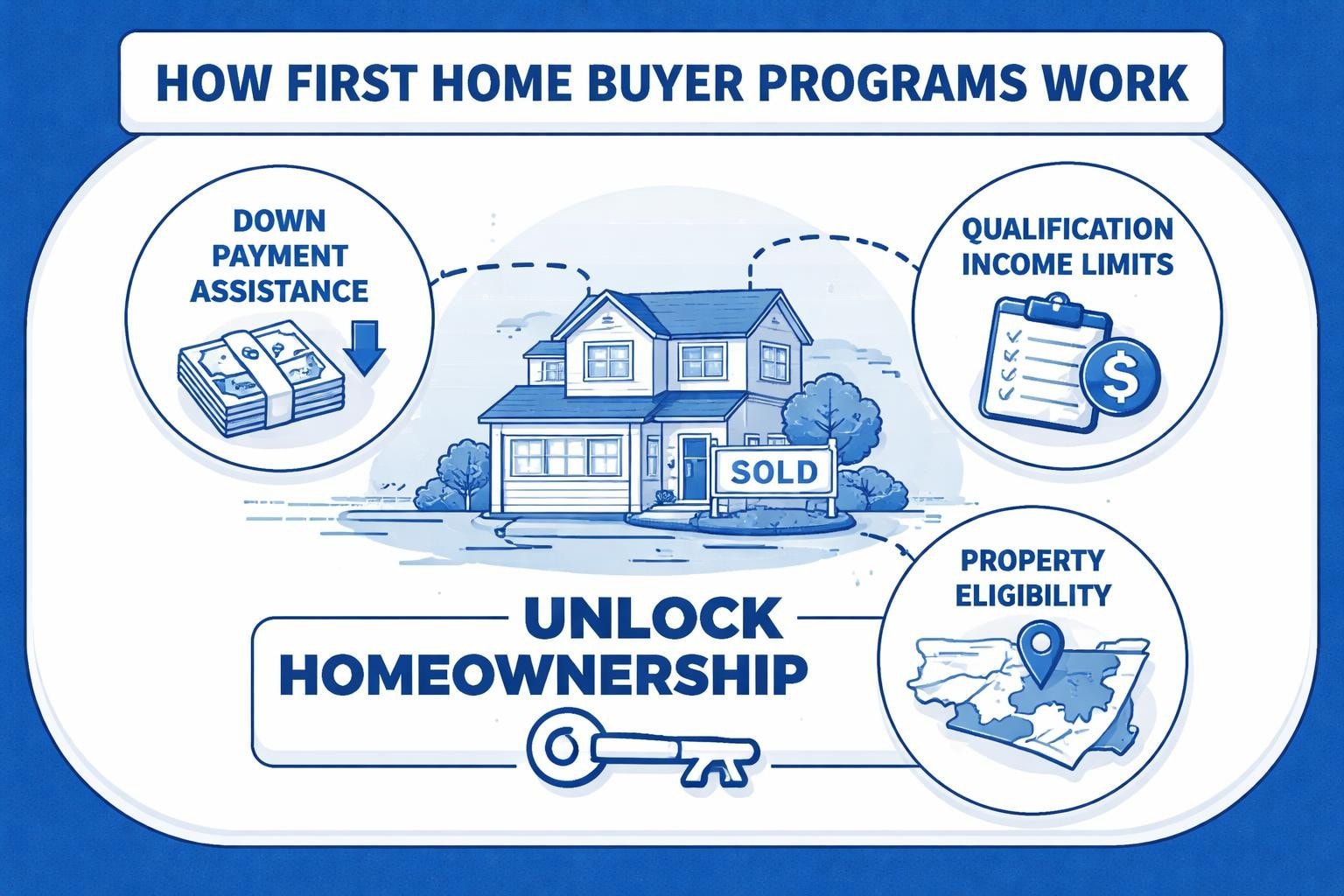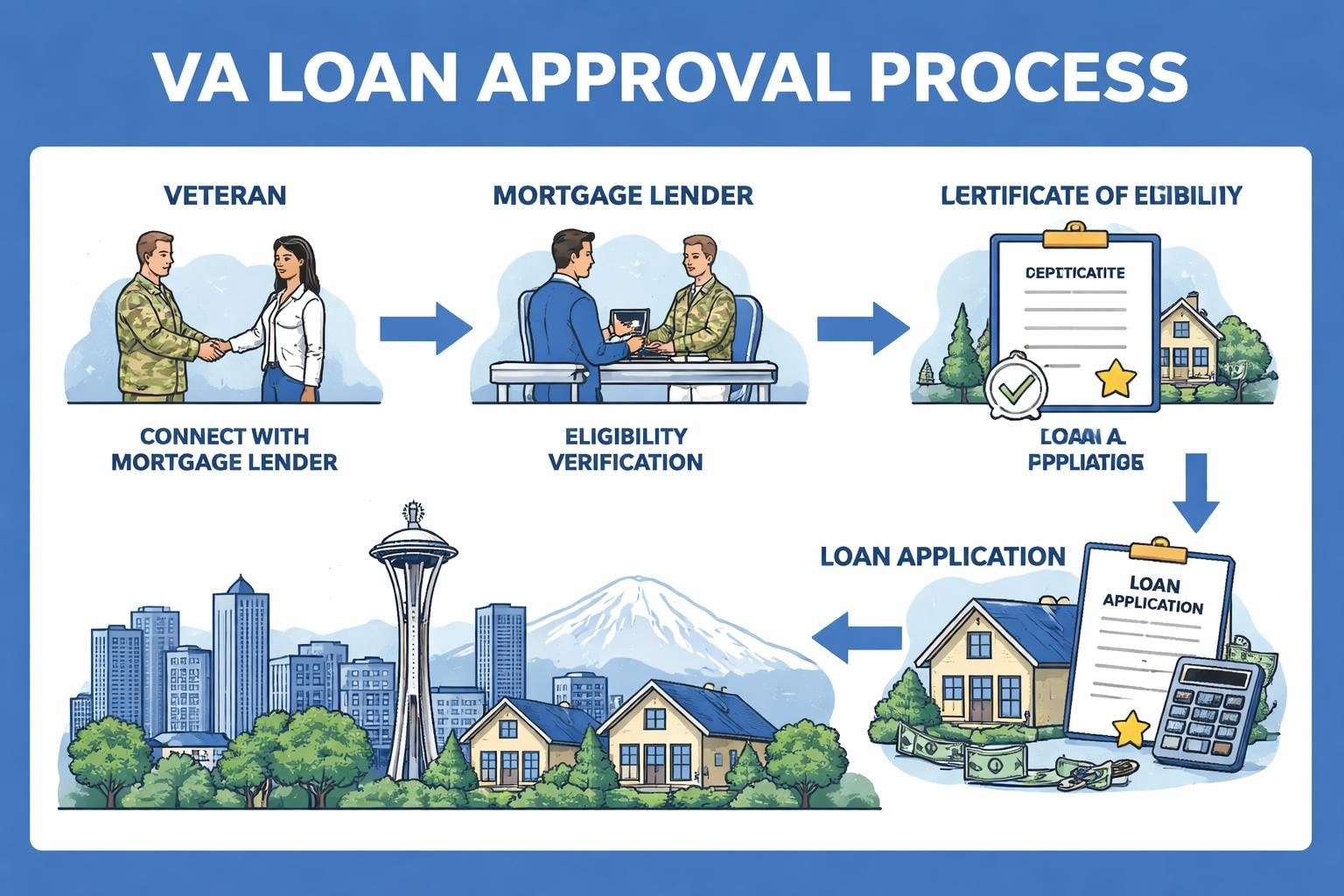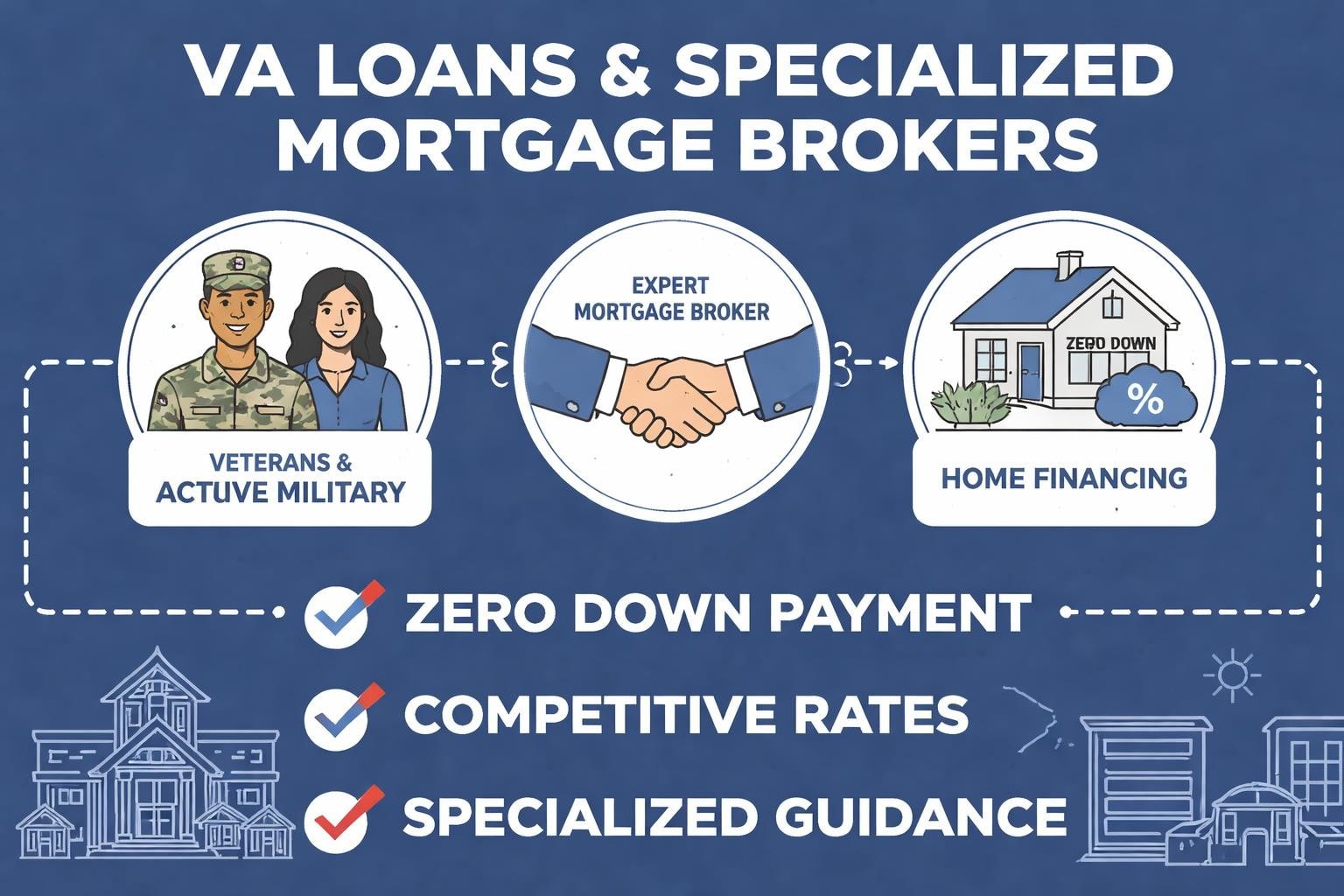


You can feel it in Seattle the moment you start browsing listings: homes move fast, numbers are big, and everyone seems to have a strategy. If you’re trying to become a homeowner (or buy your next property) and you’ve caught yourself typing “homeownership education workshops near me,” you’re not alone. In a market like King County, education isn’t a nice-to-have—it’s how you avoid expensive misunderstandings, especially around financing.
A good workshop won’t “sell” you a loan or a house. It should make the process clearer, show you the trade-offs between options, and help you ask better questions before you write an offer. The right class can also reduce stress because you’ll know what’s normal, what’s negotiable, and what really matters.
What a homeownership workshop should actually do
The best workshops teach you how the pieces connect: your income and assets, the loan type, your offer terms, your monthly payment, and your long-term plan. If a session only talks about “getting pre-approved” without explaining what changes your payment (rates, mortgage insurance, HOA dues, property taxes, and insurance), it’s incomplete.
A strong workshop usually covers budgeting in a way that matches real life. That means looking beyond a down payment and estimating cash to close, reserves, and the “first 90 days” costs after move-in. In Seattle-area transactions, those details can be the difference between a confident offer and a deal that falls apart during underwriting.
It should also explain how underwriting thinks—because underwriting doesn’t care how nice the house is. Underwriters care about documented income, stable employment, assets that can be sourced, and liabilities that show up on your credit report. Once you understand that perspective, you’ll stop making decisions that create avoidable friction.
“Homeownership education workshops near me”: where to look first
Most buyers start with Google, and that’s fine. But you’ll get better results if you search with intent. Add details like “first-time homebuyer class,” “homebuyer education certificate,” or “down payment assistance workshop,” plus your city (Seattle, Bellevue, Redmond, Kirkland, Renton). Many programs are virtual, so “near me” may really mean “available to me” within Washington.
In the Seattle/Bellevue area, workshops commonly come from housing counseling organizations, local nonprofits, employer benefits programs, and some real estate and mortgage professionals. Each source has a different vibe.
Nonprofit and housing-counselor classes tend to be broad and policy-focused, and they’re often the right fit if you need an education certificate for a specific assistance program. Employer sessions (especially at larger tech companies) may be more tailored to high incomes, stock compensation, and planning around career changes. Lender- or agent-led workshops can be more tactical about what wins offers in a competitive market—but quality varies a lot, so vet them.
What you’ll learn (and what you should insist on)
A workshop is worth your time when it answers the questions that affect real decisions.
Loan basics that actually matter
A quick overview of FHA, VA, and conventional is helpful, but the real value is understanding how each one behaves in the wild.
Conventional loans often win on flexibility and long-term cost, but the details matter: credit score impacts pricing, down payment impacts mortgage insurance, and condo approvals can be a factor. FHA can be helpful for credit or down payment constraints, but mortgage insurance may stay longer. VA loans can be outstanding for eligible buyers, but you still need to understand appraisal timelines and how sellers perceive VA offers (which is improving, but perception is still part of the market).
A good instructor won’t declare a “best” loan for everyone. They’ll walk you through why it depends: your timeline, your assets, your risk tolerance, your property type, and how competitive your offers need to be.
The offer isn’t just the price
In Seattle, your financing terms are part of your negotiating power. Workshops that only talk about house-hunting miss this. You should hear about earnest money, appraisal gaps, inspection strategy, and closing timelines—because those are the levers buyers pull when multiple offers show up.
You also want clarity on what you can and can’t do with contingencies. The goal is not to waive protections blindly. The goal is to understand the risk you’re taking, and what other tools exist (like pre-inspections or stronger financial documentation) to make an offer attractive without gambling.
“Cash to close” and the monthly payment reality check
Many buyers focus on the down payment and forget the rest. A solid workshop will show an example Closing Disclosure and explain common line items: lender fees, title and escrow, prepaid interest, property taxes, homeowners insurance, and reserves.
Then it should bring it back to the monthly number you live with: principal and interest, taxes, insurance, HOA dues, and mortgage insurance (if applicable). That’s where affordability lives—especially when rates move.
Seattle/Bellevue-specific topics that should come up
Workshops can be generic, but the ones that help you win here mention local patterns.
Condo rules matter more than buyers expect, particularly for conventional financing and for buildings with higher investor concentration. A workshop doesn’t need to turn you into a condo questionnaire expert, but it should flag that not all condos are financeable the same way.
Jumbo loans come up often in Bellevue, Kirkland, and parts of Seattle where prices push above conforming limits. A workshop should explain that jumbo pricing and underwriting can behave differently than conventional conforming loans, and that asset reserves and documentation standards may be stricter.
And if you’re a tech professional, the workshop should acknowledge how compensation is actually structured. Base salary is straightforward. Bonus, RSUs, and stock proceeds can be usable too, but documentation and history matter. If an instructor brushes this off with a vague “we can’t use stock,” that’s usually a sign they don’t work with it often.
How to vet a workshop before you register
Not every class is equal. You’re looking for education, not hype.
First, check whether the workshop is designed to be neutral or sales-oriented. It’s okay if a lender or agent teaches it—as long as the content is specific and the instructor welcomes hard questions. If everything sounds like marketing and you never see real numbers, move on.
Second, ask what you’ll leave with. The best sessions provide worksheets, sample budgets, payment examples at different down payments, and a checklist of documents you’ll need. If it’s a certificate-driven class, confirm whether the certificate is accepted by the down payment assistance program you’re considering.
Third, pay attention to how they handle “it depends.” If every answer is absolute, be cautious. Mortgage and real estate decisions are full of trade-offs, and a trustworthy educator will say so.
A quick case example: the tech buyer who needs clarity, not motivation
A common Seattle-area scenario: a buyer with a strong income at Amazon or Microsoft, meaningful RSUs, and a solid credit score. They can “afford” a lot on paper, but they don’t know how to balance down payment size with liquidity, or how to document stock income without slowing down underwriting.
In a high-quality workshop, that buyer should learn how lenders typically view variable income, what documentation is needed, and why timing matters if you’re selling stock for the down payment. They’ll also learn that a larger down payment isn’t always the smartest move if it drains reserves and creates stress.
When that buyer goes to get pre-approved, the conversation becomes more strategic: How fast do you need to close? Are you trying to keep cash available for future investments? Do you want to minimize monthly payment, or optimize long-term flexibility? That’s the point of education—better questions lead to better outcomes.
What to do right after you attend
Workshops work best when you turn information into action while it’s fresh.
Within 48 hours, update your personal budget with a realistic monthly payment range and a target “cash to close” number. If you’re paid with bonus or RSUs, outline what you can document cleanly and what might require more history.
Then, talk to a mortgage professional who can translate the workshop’s concepts into your exact scenario. If you want a Seattle-area advisor who focuses on educational transparency and fast closings, Keith Akada at The Mortgage Reel is a strong place to start—especially for buyers using stock compensation and planning around competitive timelines.
When a workshop might not be enough
Workshops are great for foundational knowledge, but they can’t underwrite you.
If you’re self-employed, changing jobs, relocating, or relying heavily on variable compensation, you’ll need a one-on-one review sooner rather than later. The same goes if you’re aiming for a condo with stricter eligibility, or if you’re shopping at price points where jumbo guidelines and reserve requirements come into play.
Also, if you’re feeling pressured to buy quickly, a workshop can calm the noise—but don’t let it replace a personalized plan. Education is leverage, but strategy is what turns leverage into a winning offer.
Buying a home in Seattle isn’t about having every answer on day one; it’s about knowing which questions to ask before the stakes get high. Find a workshop that respects your intelligence, insists on real numbers, and leaves you more clear-headed than when you walked in—then use that clarity to move at a pace you can stand behind.
Key Takeaways
- Homeownership workshops in Seattle help buyers understand financing and avoid costly mistakes.
- Effective workshops cover budgeting, loan types, underwriting, and local real estate dynamics.
- When searching for workshops, use specific terms and consider the source, like nonprofits or employer programs.
- A good workshop provides practical tools, examples, and answers to important questions.
- Take action after attending by updating your budget and consulting with a mortgage professional.
Estimated reading time: 8 minutes