

Seattle buyers don’t lose homes because they loved the wrong kitchen. They lose them because the financing didn’t feel certain enough to a seller reviewing five offers.
In a market where timelines are tight and listing agents are cautious, choosing among local mortgage lenders in Seattle is less about finding a catchy rate quote and more about finding a team that can deliver certainty: clean pre-approval, credible underwriting, and a closing that doesn’t drift.
Why “local” still matters in Seattle
National online lenders can be fine in slower markets. Seattle is not a slow market. Local lenders and brokers tend to be more fluent in the realities of King County transactions: fast-moving offer deadlines, appraisal sensitivity, condo document reviews, and the way certain neighborhoods or building types can change the risk profile.
“Local” isn’t about an office with a nice sign in South Lake Union. It’s about responsiveness and judgment. When an issue pops up—like a condo questionnaire flag, a tight HOA budget, or a unique income structure—local teams are more likely to have seen it before and know how to route it without turning your file into a week-long email chain.
There’s also the seller-side dynamic. Listing agents are evaluating your financing partner as much as they’re evaluating you. If they’ve closed deals with your lender and know the pre-approval is real (not automated), your offer can look safer—even if it isn’t the highest.
The three things Seattle lenders are really selling
Most buyers are trained to focus on interest rate first. Rate matters, but it’s only one of the levers. In practice, the best lenders win Seattle deals in three ways.
1) A pre-approval that holds up under pressure
A quick “pre-qual” letter is common. A pre-approval that has been actually underwritten (or at least fully reviewed with documentation) is what wins in competitive bidding.
Ask what the lender reviewed before issuing your letter: pay stubs, W-2s, tax returns (if needed), asset statements, RSU/stock documentation, and credit. If the answer is basically “we ran credit and talked,” you may be holding a letter that looks fine but collapses when you go under contract.
2) Underwriting options and problem-solving range
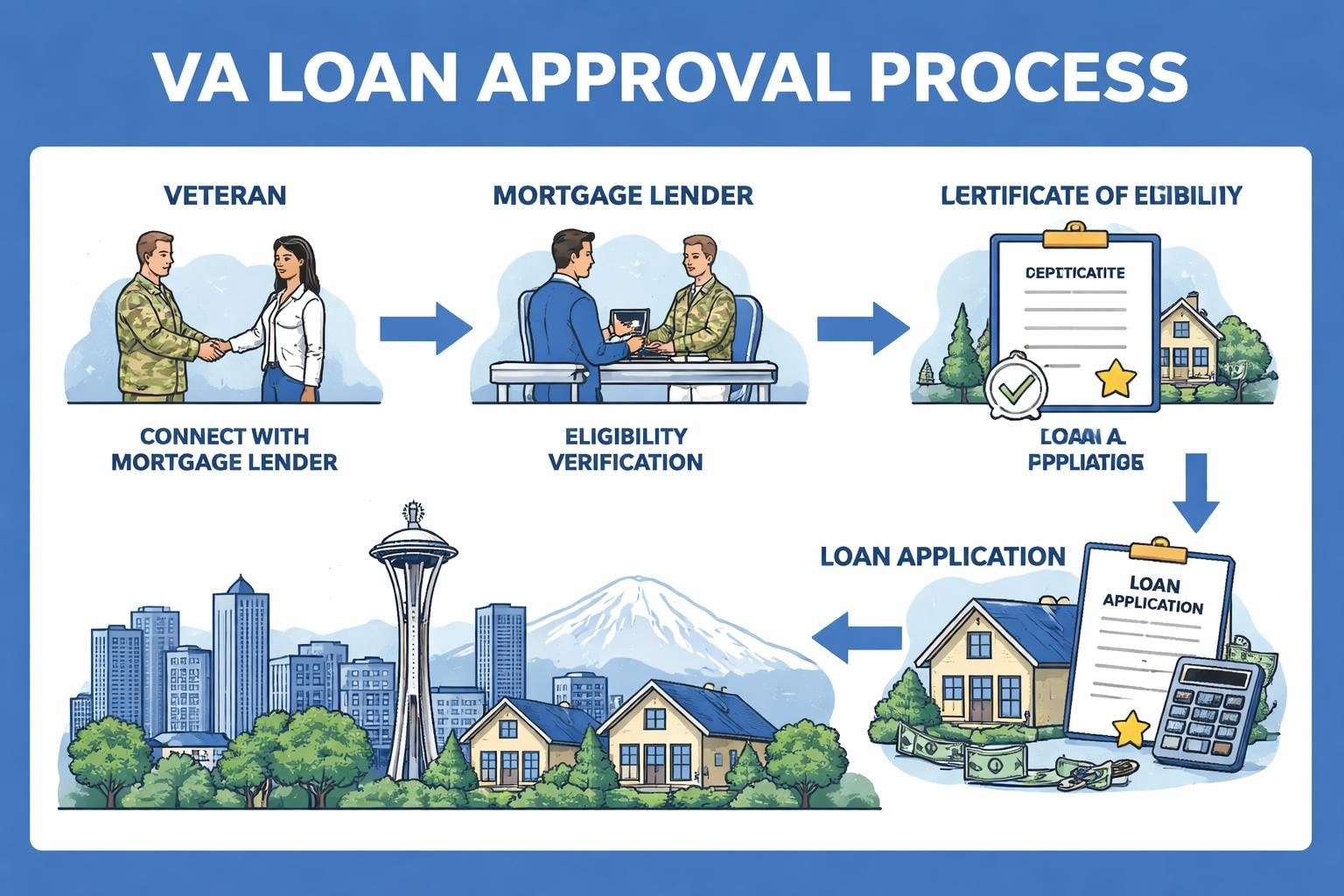
Seattle borrowers aren’t one-size-fits-all. First-time buyers might need 3% down conventional or FHA. Veterans may use VA. High-income tech professionals often have variable compensation, RSUs, and large asset bases that don’t fit simple calculators.
The practical question is: how many loan paths does this lender truly have? Some lenders only offer a narrow internal menu. Others (often brokers) can shop multiple investors, which can help when one program doesn’t fit the property type or your income structure.
3) Closing speed and communication
Speed isn’t just about hitting a date; it’s about reducing stress and avoiding renegotiations. A lender who communicates clearly with you, your agent, and (when appropriate) the listing side can prevent small issues from becoming “we need an extension.”
If you want a real indicator of speed, don’t ask, “How fast can you close?” Ask what their average purchase close timeline is right now and what causes delays most often in their pipeline.
How to compare local mortgage lenders in Seattle (without getting fooled)
Seattle buyers are analytical, and that’s a strength—if you compare the right things.
Start with the Loan Estimate once you have an accepted offer (or a very close scenario). Until then, you’re mostly comparing quotes. When you do compare, make sure every lender is quoting the same basics: same loan amount, same down payment, same credit assumptions, same property type, same lock period.
Then look at two buckets: pricing and certainty.
Pricing is rate plus fees, but it’s also the structure of the deal. One lender may show a slightly better rate because they’re charging points. Another may look more expensive because they’re building in lender credits differently. Ask them to translate the quote into plain English: “Is this rate costing me points? If I sell/refinance in a few years, does this still make sense?”
Certainty is harder to see on paper. This is where you evaluate process. Who touches your file? Is there a dedicated loan officer plus a processor? Will underwriting review early? How are they handling condo approvals? Do they proactively request documents or react after deadlines?
If a lender is cheapest but can’t explain the process cleanly, you’re not buying a mortgage—you’re buying a gamble.
Seattle-specific scenarios that change your lender choice
Not every buyer needs the same kind of lender. In Seattle, a few common scenarios change what “best” means.
Condos (especially older buildings)
Condos can introduce approval layers that single-family homes don’t. Budget reserves, litigation, insurance coverage, owner-occupancy ratios—these details can affect whether a loan is eligible.
A local lender who regularly closes condos will know what documents to request early and how to interpret red flags. If you’re shopping in Belltown, Capitol Hill, Queen Anne, or older buildings anywhere in the city, ask the lender how they handle condo review timelines.
Jumbo loans in high-demand neighborhoods
In parts of Seattle and the Eastside, jumbo loans are common. Jumbo underwriting can be more conservative, and the best program for you may depend on assets, reserves, and how your income is structured.
You’ll want a lender who can explain trade-offs: sometimes a slightly higher rate with fewer restrictions is worth it if you need flexibility on appraisal, reserves, or closing timing.
Tech compensation (RSUs, bonuses, and stock)
A lot of Seattle buyers can “afford” the payment but don’t look straightforward on paper because compensation is layered: base salary plus bonus plus RSUs vesting over time.
Some lenders handle this well; others treat RSUs like a foreign language. A strong lender will ask for vesting schedules, historical income documentation, and show you how they’re calculating qualifying income. The goal is not to stretch you—it’s to make your true financial picture underwriter-friendly so your approval doesn’t turn into a last-minute condition.
Investors and repeat buyers
If you’re buying a rental, you may care about different levers: rental income treatment, reserve requirements, and whether the lender can move quickly when you find the right deal.
An investor-friendly lender will talk about how the property cash flows, how they’re counting projected rent, and what happens if you want to scale beyond one purchase.
Questions that quickly reveal whether a lender is solid
A good lender won’t dodge specifics. They’ll educate you.
Ask how they verify income upfront, what documentation they require before issuing a strong pre-approval, and whether they’ll run your file through underwriting early.
Ask how often they miss closing dates and why. You’re not looking for perfection; you’re looking for accountability and patterns.
Ask who you’ll communicate with day-to-day and what their response time standards are. In a competitive offer situation, waiting 24 hours for an updated pre-approval letter can cost you the home.
Finally, ask them to explain one thing you don’t understand. The best local lenders in Seattle aren’t the ones who talk fastest—they’re the ones who can make the process feel predictable.
A quick story from the field (what “local” looks like in practice)
A recent buyer I worked with had strong income at a major tech company, but a large portion came from RSUs. They were shopping in a neighborhood where move-in-ready homes were drawing multiple offers.
The difference-maker wasn’t a miracle rate. It was preparation. We documented vesting schedules, verified assets, and structured the file so underwriting questions were answered before we ever wrote an offer. When the right house came up, the pre-approval letter matched the offer terms exactly, and the listing side had confidence the financing was real.
That’s what good local financing does in Seattle: it turns “we hope” into “we can.”
If you want that style of transparent, strategy-first lending in the Seattle area, The Mortgage Reel is built for it, with a focus on education, fast closings, and clear planning for tech compensation scenarios: https://Www.themortgagereel.com.
The trade-offs to be honest about
There’s no perfect lender for every situation.
A big bank can make sense if you already have deep assets there and they’re offering relationship pricing that’s truly compelling. A credit union can be excellent when their portfolio products fit your profile—though some have longer timelines or narrower underwriting boxes. A broker can offer breadth and creativity, but you should still evaluate execution: brokered doesn’t automatically mean faster or cheaper.
The right move depends on your timeline, the property type, and how “plain vanilla” your income looks on paper.
Closing thought
When you choose among local mortgage lenders in Seattle, aim for the partner who makes your next step feel clearer—not the one who promises the most. In this market, clarity is leverage.