

Seattle buyers don’t lose homes because they “didn’t want it enough.” They lose because their financing wasn’t shaped for the way Seattle actually works: tight timelines, aggressive offer terms, condo nuances, and income profiles that look nothing like a simple W-2. If you’re a first-time buyer in Ballard, a move-up buyer in Bellevue, or a tech professional juggling RSUs and bonus cycles, your best move is rarely a one-size-fits-all loan.
What follows is how I think about personalized mortgage strategies Seattle buyers can use to compete without overextending. This isn’t about gimmicks. It’s about matching the loan structure to your income, your risk tolerance, the property type, and the offer you want to write.
Why “personalized” matters more in Seattle than most markets
Seattle area pricing creates a specific problem: a small change in rate, down payment, or mortgage insurance can swing your monthly payment by hundreds of dollars. That’s obvious. What’s less obvious is how quickly the market penalizes uncertainty.
A seller doesn’t just evaluate price. They evaluate the probability of closing on time and on terms. That probability comes from underwriting strength, clean documentation, the right loan program for the property, and a structure that won’t fall apart when the appraiser asks questions or when the HOA documents come in late.
Personalization is also about trade-offs. A lower rate can be great, but not if it requires a longer lock timeline you can’t afford. A lower down payment can preserve cash, but not if it triggers monthly mortgage insurance that prevents you from qualifying for the home you actually want.
Start with the offer strategy, then build the loan around it
In Seattle, the loan is part of your offer, not an afterthought. Before we talk rates, ask two questions.
First: how fast do you need to close to win? Some listings will accept a normal timeline. Others reward speed because it reduces risk for the seller.
Second: what contingencies are you keeping, and which ones are you trying to minimize? Financing and appraisal terms interact with your loan type more than most buyers realize.
A practical example: if you’re planning to buy a condo in downtown Seattle, the building’s HOA and project eligibility can impact the type of financing available. That affects the strength of your offer. The “best” loan on paper is useless if the property doesn’t support it.
Matching the mortgage to your income profile (especially tech comp)
Seattle has a high concentration of buyers whose compensation includes RSUs, bonuses, and sometimes multiple income streams. The strategy is not simply “count it” or “don’t count it.” It depends on documentation, history, vesting schedules, and how stable the income is viewed by underwriting.
If your base salary supports the payment on its own, you may decide to qualify primarily on base and treat RSUs as extra reserves. That can simplify underwriting and reduce the documentation burden. The trade-off is buying power.
If you need RSUs or bonus income to qualify for the home you want, the strategy shifts to presentation and timing. Underwriters typically want a clear pattern. That can mean showing past vesting and sale history, consistent bonus history, and evidence the income is likely to continue. It can also mean planning your home search around when documentation is easiest to provide, instead of scrambling mid-escrow.
This is where personalization is real. Two buyers at the same company can have the same total compensation and still need completely different approaches because one has a long history of vesting and the other just started receiving equity.
Down payment strategy: keep cash, or buy down risk?
In King County, I see buyers default to a number they’ve heard: 20% down. Sometimes it’s the right call. Sometimes it’s just habit.
Putting 20% down can eliminate monthly mortgage insurance on many conventional loans and may improve pricing. It can also make your offer feel stronger because you look less likely to hit a qualifying wall.
But there are real reasons to choose less than 20%.
If you’re a first-time buyer trying to keep reserves for repairs, moving costs, and the realities of homeownership, preserving liquidity can be smart. If you’re a tech professional who wants flexibility for future job changes, keeping cash can be part of your risk plan. The trade-off is usually mortgage insurance and sometimes a higher rate.
On the other hand, if your goal is the lowest possible payment and you have stable cash flow, a larger down payment can reduce long-term cost and improve qualifying.
The “personalized” answer is not a percentage. It’s a monthly payment target, a reserve target, and a plan for what happens if the market or your income changes.
Program selection: VA, FHA, conventional, and jumbo
Different programs are not just different interest rates. They’re different rules, different costs, and different strengths inside an offer.
VA loans
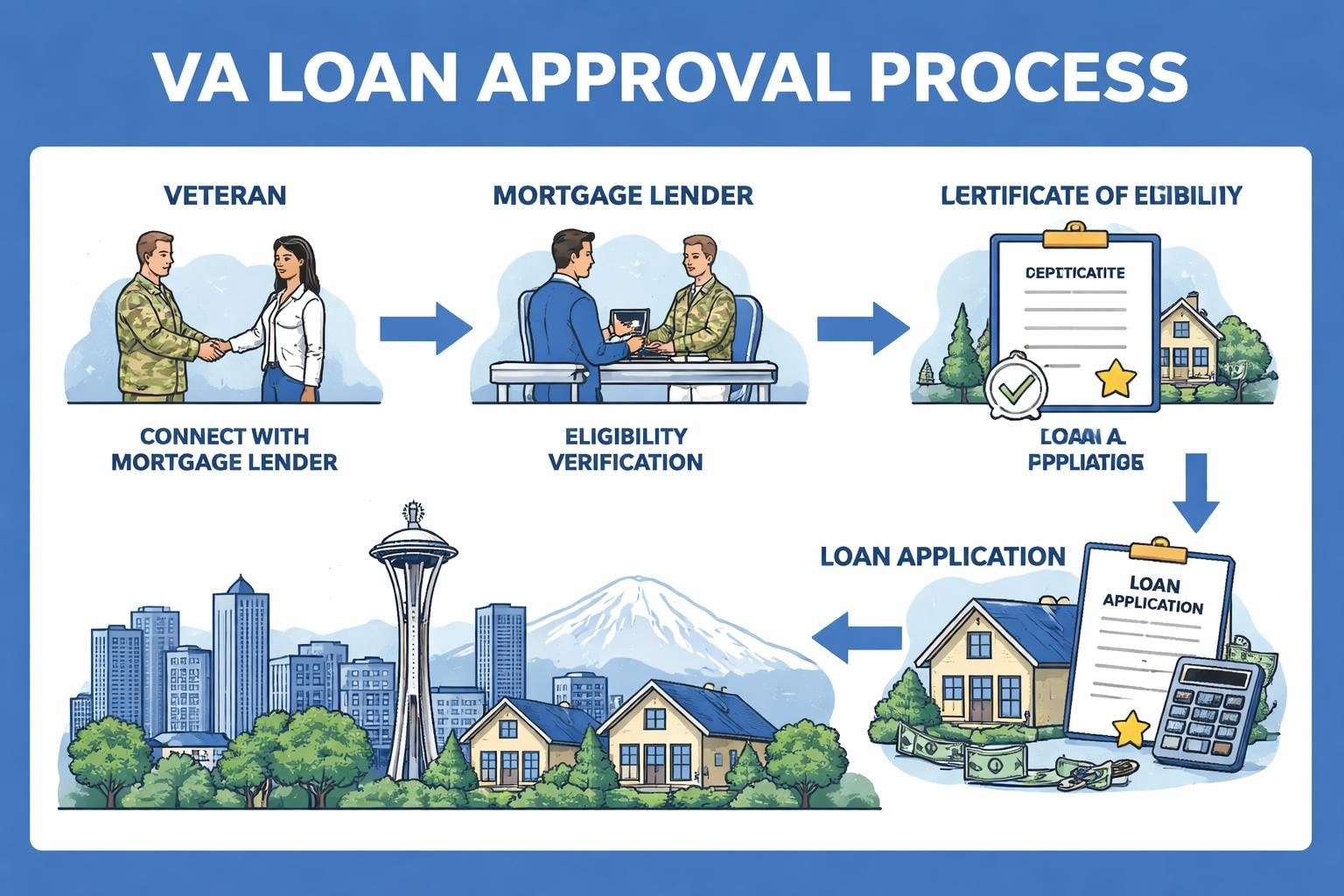
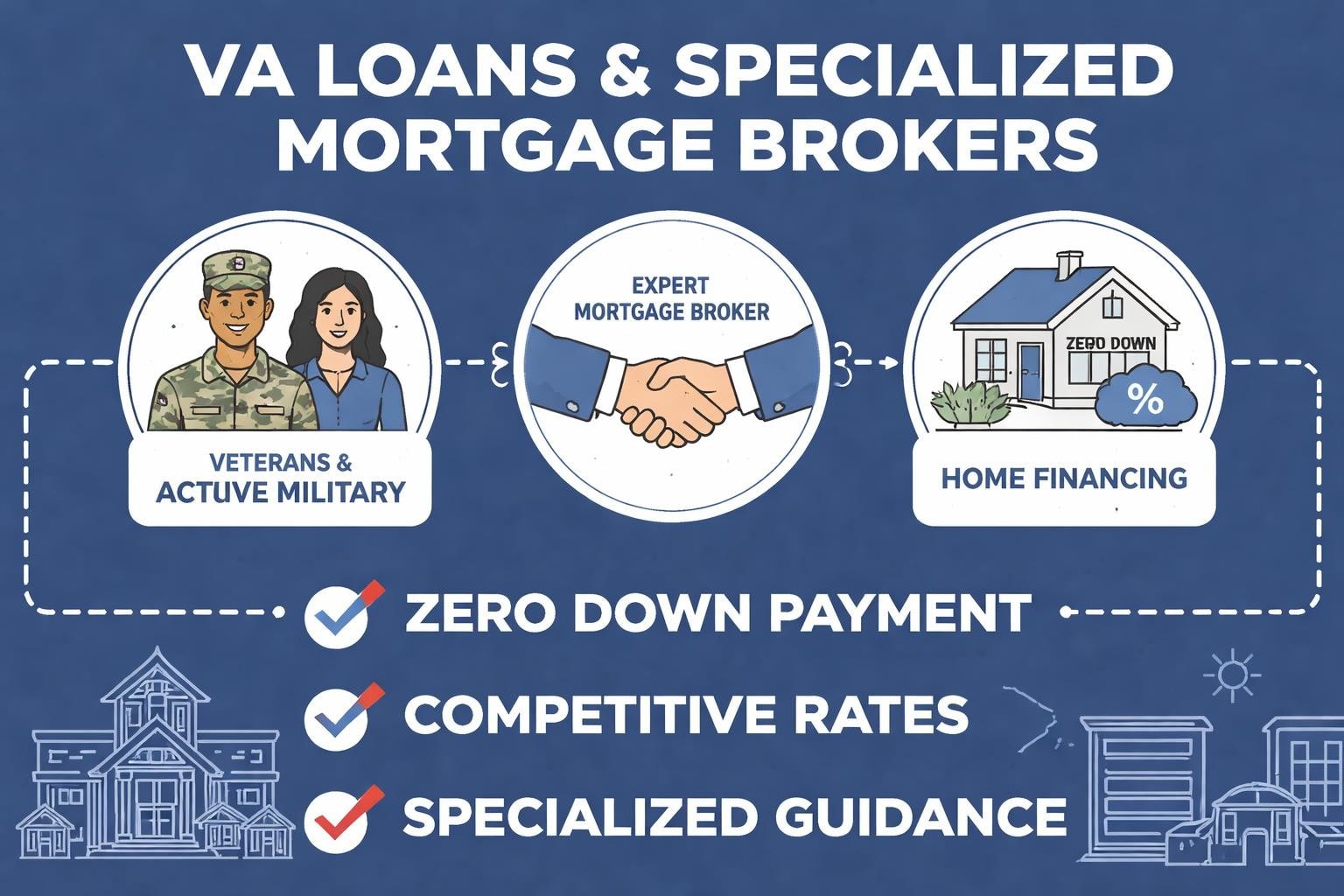
For eligible veterans and service members, VA loans can be a powerful option because they may allow low or no down payment and often have strong terms. In a competitive market, the key is presenting the VA approval cleanly and making sure the property and timeline fit. The trade-off can be additional documentation or specific appraisal considerations.
FHA loans
FHA can be a pathway for buyers with smaller down payments or credit profiles that aren’t ideal for conventional. In some Seattle situations, FHA is a great fit. In others, sellers may perceive it as more restrictive. If you’re using FHA, personalization means writing an offer that reduces uncertainty and making sure the monthly payment works with mortgage insurance.
Conventional loans
Conventional is the most common lane for Seattle buyers, but “conventional” still has variations: 3% down options, 5% down, 10% down, 15% down, and 20% down. The right choice depends on how mortgage insurance impacts your payment and how close you are to qualifying limits.
Jumbo loans
In higher-priced neighborhoods and many Eastside scenarios, jumbo loans matter. Jumbo isn’t a single product. Guidelines can vary by lender, and the difference shows up in how income is calculated, how reserves are evaluated, and how quickly you can close.
A personalized jumbo strategy often focuses on documenting assets and income in a clean, underwriter-friendly way from day one. If you want to compete in a multiple-offer situation, this preparation can be the difference between “approved eventually” and “approved on time.”
Rate strategy: fixed vs ARM and the real question buyers should ask
Most buyers ask, “Should I choose a fixed rate or an ARM?” The better question is, “How long do I realistically expect to keep this mortgage?”
If you expect to stay put for a long time and you value payment stability, a fixed rate can make sense even if the rate is higher. You’re paying for certainty.
If you expect a move, a refinance, or a major income increase within a defined window, an adjustable-rate mortgage can sometimes reduce the initial rate and payment. The trade-off is future uncertainty. Personalization means being honest about the timeline and building in a margin of safety if rates don’t move the way you hope.
There’s also the point-buying conversation. Paying points can lower the rate, but only makes sense if you’ll keep the loan long enough to break even. In a market where many buyers upgrade homes or relocate, that break-even timeline matters.
Property-specific strategy: condos, new builds, and appraisal realities
Seattle has a lot of condos, and condos create mortgage friction. HOA budgets, insurance coverage, special assessments, and owner-occupancy ratios can all affect financing.
A personalized approach for condo buyers means reviewing the building’s financing readiness early. Waiting until you’re in contract to discover the project has an issue can put your earnest money and timeline at risk.
New construction brings different timing and documentation. Your rate lock strategy matters more, and your lender’s ability to manage draws, deadlines, and builder requirements becomes part of your financial strategy.
Then there’s appraisal. In competitive areas, buyers sometimes offer above list. That can be fine, but your plan needs to cover what happens if the appraised value comes in lower. The right structure may include extra reserves, a different down payment approach, or choosing a loan that gives you more flexibility.
Two quick real-world scenarios
A first-time buyer in North Seattle had strong income but limited cash because they prioritized keeping reserves. The personalized move wasn’t forcing 20% down. It was finding a conventional structure that kept the payment reasonable while maintaining enough reserves to feel comfortable, and preparing documentation upfront so the closing timeline stayed tight.
A tech professional buying on the Eastside had high total compensation but needed RSUs counted to qualify for the home they wanted. The strategy was to organize vesting history, show consistency, and align the loan choice with the documentation that would be most defensible in underwriting. That planning reduced last-minute conditions and helped keep the deal on track.
What to do before you start touring homes
Personalized mortgage strategies Seattle buyers use almost always start before you fall in love with a house.
Get your income story straight early. If you have RSUs, bonus, self-employment income, or multiple jobs, assume underwriting will ask follow-up questions and prepare for them. Know your comfort payment, not just your maximum approval. And decide what matters most: lowest payment, lowest cash to close, fastest close, or maximum flexibility.
If you want a local partner who builds the loan around your offer strategy and explains the trade-offs clearly, you can work with The Mortgage Reel at https://Www.themortgagereel.com.
Home financing in Seattle is never just math. It’s also timing, documentation, and choosing the kind of certainty you want to bring to the table when it counts.
Key Takeaways
- Seattle buyers face unique challenges due to tight timelines and financing requirements; personalized mortgage strategies can help them compete effectively.
- Understanding your income profile, especially with RSUs and bonuses, is crucial for tailoring mortgage solutions to your situation.
- Builders and property types, particularly condos, impact loan eligibility; personalization means recognizing these influences early in the process.
- Buyers should match their mortgage strategy with their offer conditions, prioritizing speed and minimizing risk to increase chances of success.
- Engaging a local partner like The Mortgage Reel helps navigate the complexities of Seattle mortgages: strategies built around you.
Estimated reading time: 8 minutes