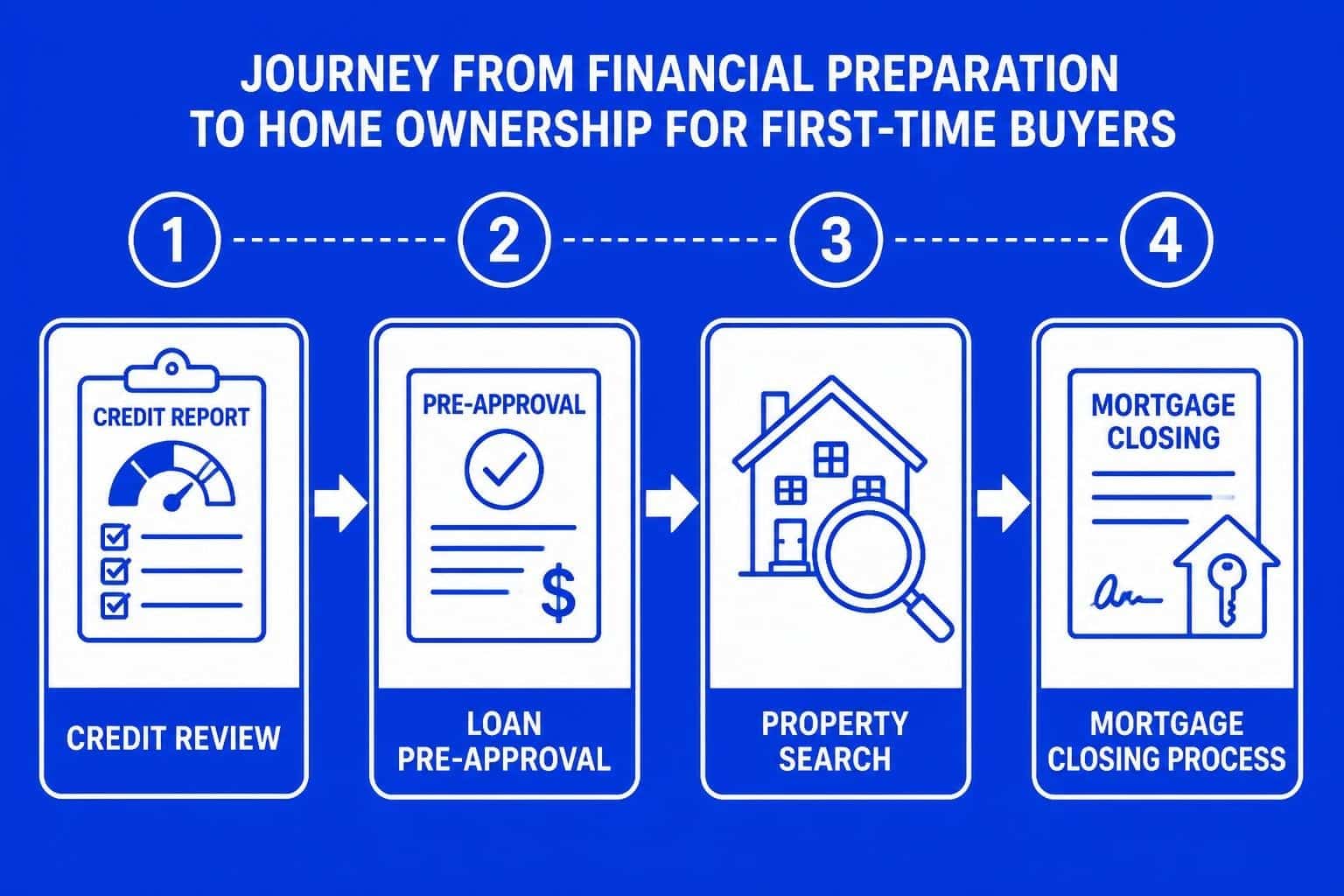
Purchasing your first home represents one of the most significant financial decisions you'll make, and securing the right first home buyer mortgage is essential to making that dream a reality. In Seattle's competitive real estate market, where tech professionals and growing families compete for limited inventory across neighborhoods from Capitol Hill to Shoreline, understanding your financing options creates a strategic advantage. With proper preparation, the right loan program, and expert guidance, first-time buyers can navigate the complexities of mortgage qualification and successfully transition from renting to homeownership.
Understanding First Home Buyer Mortgage Options
The landscape of mortgage products available to first-time buyers has evolved considerably, offering multiple pathways to homeownership depending on your financial situation, employment structure, and long-term goals.
Conventional Loans for First-Time Buyers
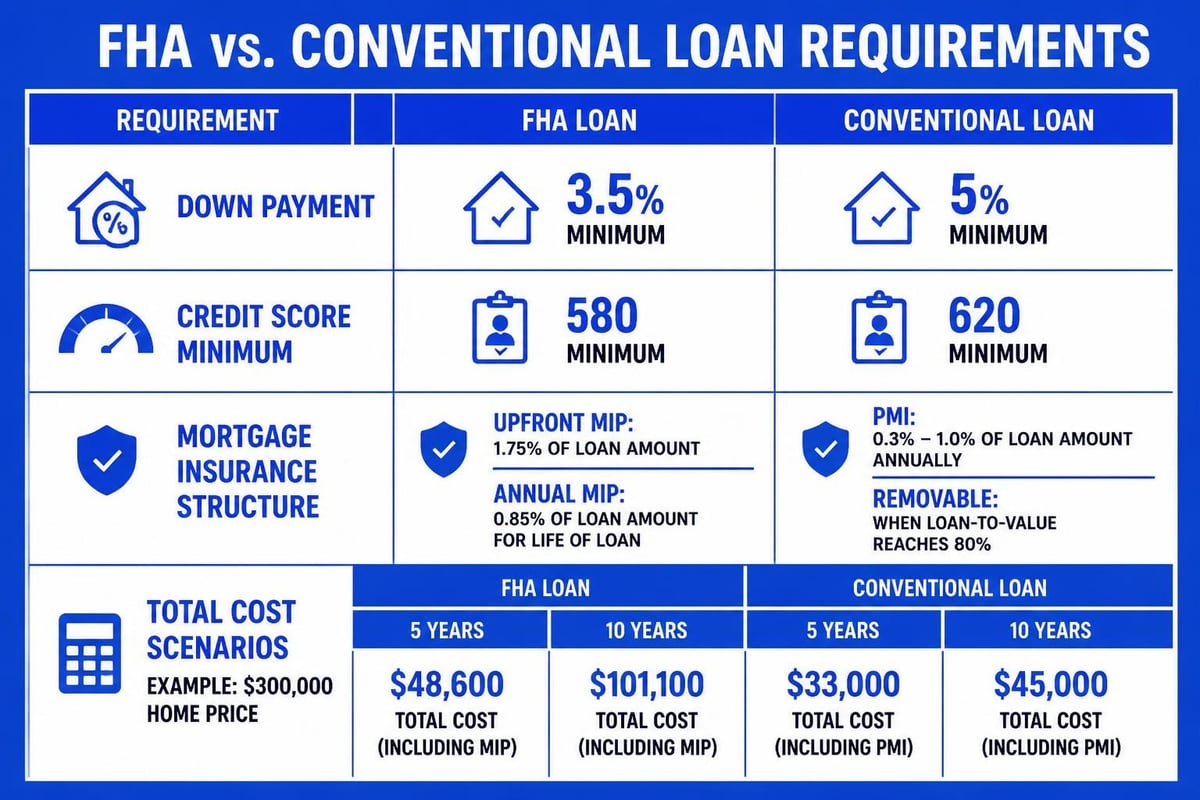
Conventional loans backed by Fannie Mae and Freddie Mac represent the most common financing option for first home purchases. These loans require as little as 3% down payment for qualified first-time buyers, making them accessible even in high-cost markets like Seattle and Bellevue.
Key advantages of conventional financing include:
- Competitive interest rates for borrowers with strong credit profiles
- Ability to remove private mortgage insurance (PMI) once you reach 20% equity
- Flexible property type eligibility including condos, townhomes, and single-family homes
- Higher loan limits suitable for Seattle-area home prices
The 3% down payment option through programs like HomeReady and Home Possible specifically targets first-time buyers and moderate-income purchasers. For Seattle tech professionals with substantial income from RSUs and stock compensation, conventional loan options often provide the most favorable terms despite requiring documentation of variable income sources.
FHA Loans: Lower Down Payment Requirements
Federal Housing Administration (FHA) loans have served first-time buyers for decades, offering down payments as low as 3.5% with more lenient credit score requirements. These government-backed mortgages accept credit scores starting at 580, making them accessible to buyers still building their credit history.
FHA financing requires both upfront and ongoing mortgage insurance premiums, which remain for the life of the loan if you put down less than 10%. However, the lower barrier to entry makes FHA loans valuable for buyers who prioritize minimizing upfront costs over long-term payment optimization.
Specialized Programs for Unique Situations
Beyond conventional and FHA options, several specialized programs serve specific buyer populations. VA loans provide zero-down financing for eligible veterans and active military members, while USDA loans offer similar benefits for properties in designated rural areas surrounding cities like Everett and Mill Creek.
Washington State Housing Finance Commission programs provide down payment assistance and favorable terms for qualified first-time buyers throughout the Puget Sound region. These programs often combine with conventional or FHA financing to reduce the cash required at closing.
Qualifying for Your First Home Buyer Mortgage
Understanding qualification requirements allows you to prepare strategically and address potential obstacles before beginning your home search. Lenders evaluate multiple factors when determining your eligibility and loan terms.
Credit Score Requirements and Impacts
Your credit score significantly influences both approval odds and the interest rate you'll receive. While minimum scores vary by loan type, higher scores unlock better pricing and more flexible terms.
| Loan Type | Minimum Score | Competitive Score | Impact on Rate |
|---|---|---|---|
| Conventional | 620 | 740+ | 0.5-1.0% difference |
| FHA | 580 | 660+ | 0.25-0.75% difference |
| VA | No minimum | 640+ | 0.25-0.50% difference |
| USDA | 640 | 680+ | 0.25-0.50% difference |
Improving your score before applying can save thousands over the life of your mortgage. Focus on paying down credit card balances, avoiding new credit inquiries, and correcting any errors on your credit report.
Income Documentation and Debt-to-Income Ratios
Lenders assess your ability to repay through debt-to-income (DTI) ratios, comparing your monthly debt obligations to your gross monthly income. Most programs allow DTI ratios up to 43-50%, though lower ratios typically receive better pricing.
Income documentation varies by employment type:
- W-2 employees provide recent pay stubs and two years of tax returns
- Self-employed borrowers need two years of business and personal tax returns
- Tech professionals with stock compensation require detailed documentation of RSU vesting schedules and historical grant values
For Seattle-area tech workers at Amazon, Microsoft, and Google, properly documenting equity compensation maximizes buying power. Lenders typically average two years of RSU income, though policies vary between institutions. Working with a broker experienced in qualifying stock compensation income ensures you leverage your full earning potential.
Down Payment Sources and Requirements
While low down payment programs exist, accumulating additional funds provides negotiating leverage and reduces monthly payments. Acceptable down payment sources include personal savings, gifted funds from family members, down payment assistance programs, and retirement account withdrawals under certain conditions.
Gift funds require proper documentation, including a gift letter stating the money is not a loan and doesn't require repayment. For buyers using assistance programs, understanding how these funds interact with your primary financing prevents delays during underwriting.
Navigating Seattle's Competitive Market as a First-Time Buyer
Seattle's real estate landscape presents unique challenges that require strategic financing preparation beyond basic qualification.
Understanding Local Price Dynamics
Median home prices across the Greater Seattle area vary dramatically by neighborhood and city. While Lake Forest Park and Shoreline offer relatively accessible entry points compared to downtown Seattle or Bellevue, buyers should prepare for competitive, fast-moving markets regardless of location.
Average price ranges by area (2026):
- Seattle (Capitol Hill, Montlake, Pike-Pine): $750,000-$1,200,000
- Bellevue and Kirkland: $850,000-$1,400,000
- Shoreline and Lake Forest Park: $650,000-$950,000
- Lynnwood and Everett: $550,000-$800,000
Understanding where your budget aligns with available inventory helps focus your search and prevents wasted effort on properties outside your realistic range.
Pre-Approval Strength Matters
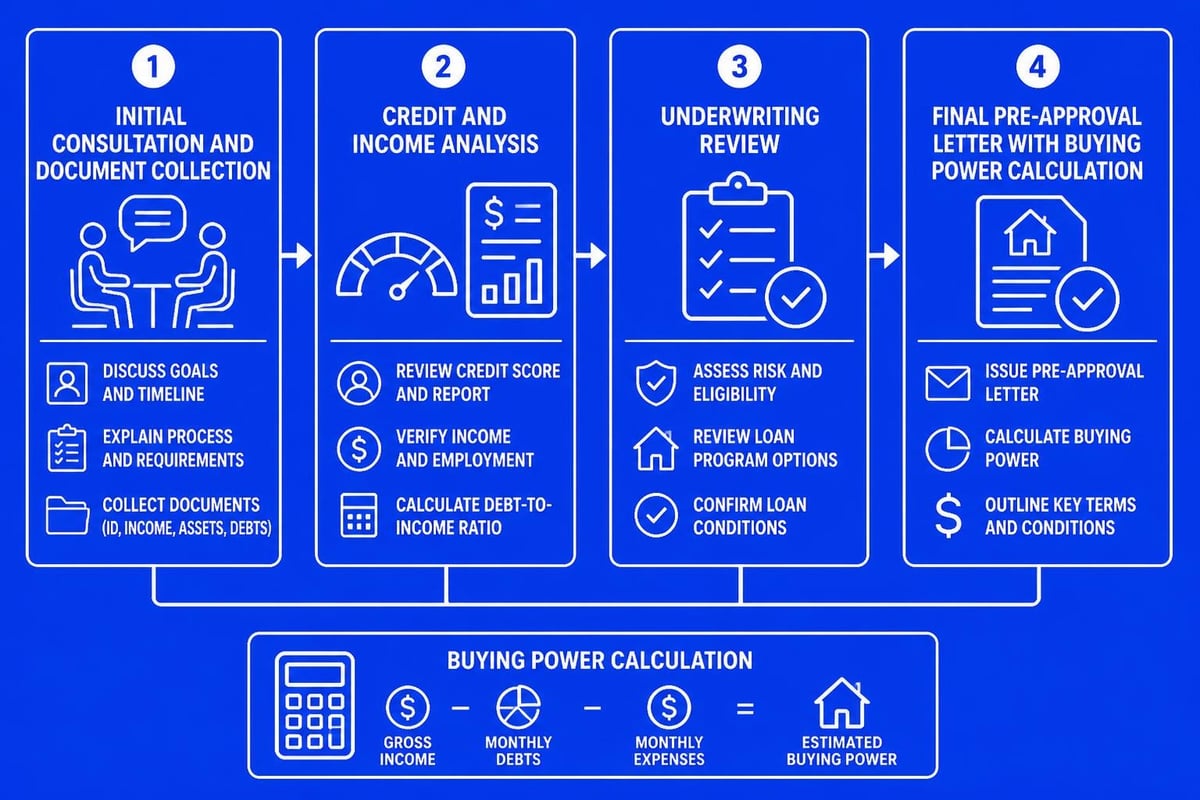
In competitive markets, seller expectations for strong pre-approvals can determine whether your offer receives serious consideration. A comprehensive pre-approval demonstrates you've undergone credit review, income verification, and asset documentation, unlike simple pre-qualifications based solely on stated information.
Working with a local lender who understands Seattle market timing and can close quickly provides a competitive advantage. Many sellers prioritize certainty of closing over maximum price, particularly when comparing offers with similar financial terms.
Jumbo Loan Considerations for Higher-Priced Properties
Seattle's conforming loan limit for 2026 is $806,500 for single-family homes, but many desirable properties exceed this threshold. Jumbo financing requires stronger qualifications, including higher credit scores, lower DTI ratios, and typically larger down payments.
For first-time buyers stretching into jumbo territory, understanding these requirements early allows time to strengthen your financial profile. Some buyers benefit from delaying their purchase to increase down payment funds or improve credit scores, ultimately securing better terms than rushing into a marginal approval.
Maximizing Your Buying Power Through Strategic Planning
Beyond basic qualification, strategic decisions about loan structure, timing, and property selection can significantly impact your long-term financial outcomes.
Choosing the Right Loan Term
While 30-year fixed mortgages dominate first-time buyer financing, shorter terms or adjustable-rate mortgages (ARMs) may suit certain situations. A 15-year mortgage builds equity faster and saves substantially on interest, but requires higher monthly payments that may stretch your budget uncomfortably.
ARMs offer lower initial rates, potentially saving thousands in the early years of homeownership. For buyers planning to relocate within 5-7 years, or those expecting significant income growth, a 5/1 or 7/1 ARM provides savings without the long-term rate risk of traditional adjustable mortgages.
Understanding Total Cost of Homeownership
Your mortgage payment represents just one component of homeownership costs. Property taxes in King County average 0.9-1.0% of assessed value annually, while homeowners insurance, HOA fees for condos and townhomes, and maintenance expenses add to your monthly obligations.
Monthly cost breakdown for a $700,000 home in Shoreline:
- Principal and interest (5% down, 6.5% rate): $4,200
- Property taxes (estimated): $650
- Homeowners insurance: $150
- PMI (less than 20% down): $350
- Total monthly obligation: $5,350
Comparing these projections against your current rent helps gauge affordability realistically. Many first-time buyers underestimate ongoing costs, creating financial stress despite qualifying for the mortgage itself.
Rate Locks and Market Timing
Interest rates fluctuate based on broader economic conditions, and timing your lock strategically can save or cost thousands over your loan term. Most lenders offer rate locks for 30-60 days, protecting you from increases while your transaction closes.
Understanding current rate trends and working with a broker who monitors market conditions helps you make informed decisions about when to lock versus floating your rate. In rising rate environments, early locks provide peace of mind. During declining periods, extended locks with float-down provisions offer protection with upside potential.
Common Mistakes First-Time Buyers Should Avoid
Experience with thousands of first home buyer mortgage transactions reveals patterns of preventable errors that cost buyers money or derail transactions entirely.
Changing Financial Situations During Underwriting
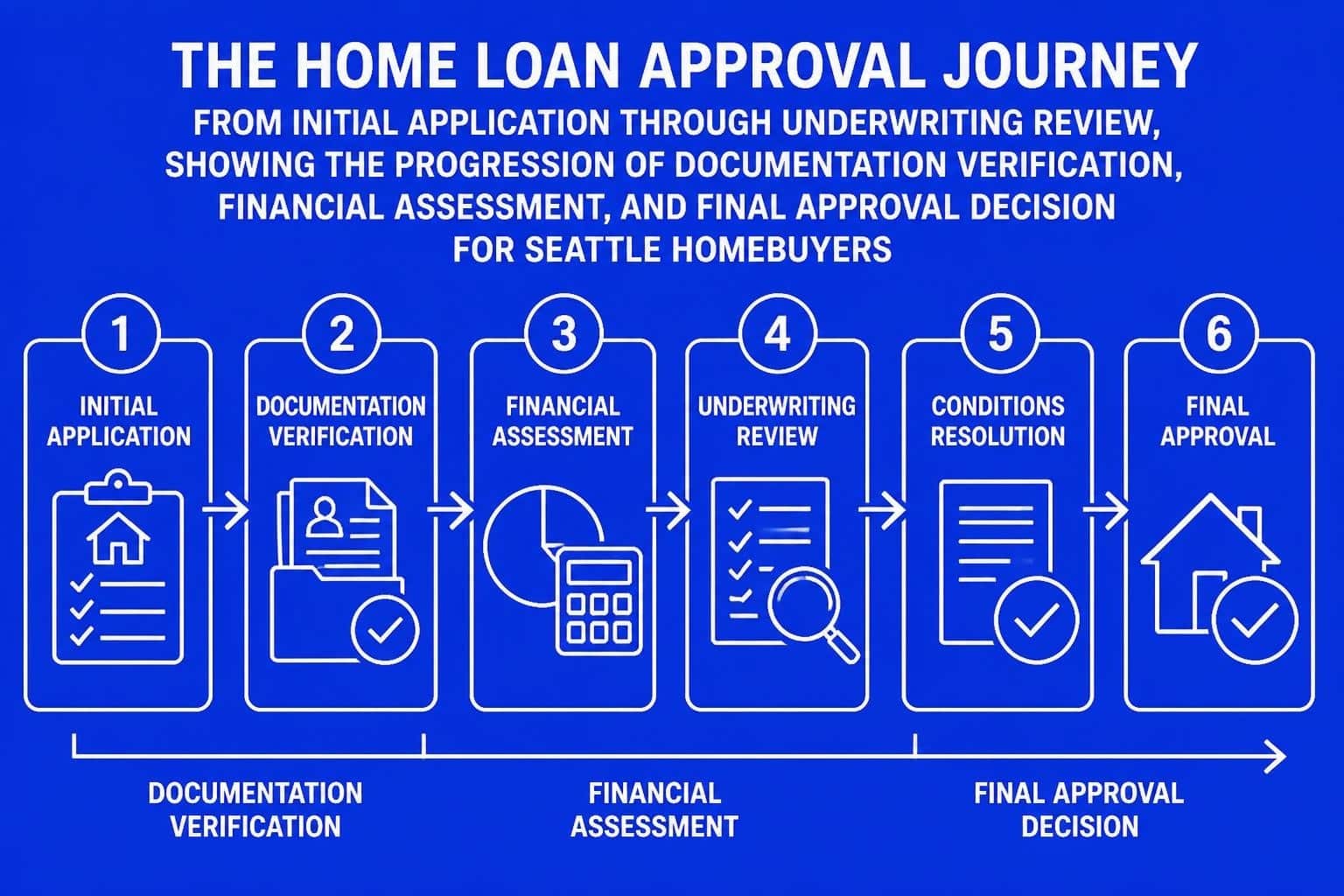
Once you're under contract and in underwriting, maintaining financial stability is critical. Avoid opening new credit accounts, making large purchases, changing jobs, or making unusual deposits into your bank accounts. Lenders verify employment and credit immediately before closing, and any changes can delay or invalidate your approval.
For buyers receiving job offers during their home search, coordinating timing with your lender ensures the transition doesn't compromise your financing. Sometimes waiting 30 days after starting a new position strengthens your application compared to closing while still in transition.
Neglecting Inspection Contingencies to Compete
While waiving contingencies can strengthen offers in competitive markets, first-time buyers should approach this strategy cautiously. Unlike experienced investors who can absorb unexpected repair costs, most first-timers have limited reserves after covering their down payment and closing costs.
Understanding programs designed specifically for first-time buyers helps you structure competitive offers without exposing yourself to unmanageable risk. Alternative strategies include shortening contingency periods rather than removing them entirely, or including escalation clauses that increase your offer automatically up to a specified maximum.
Overextending Your Budget
Just because you qualify for a certain loan amount doesn't mean you should borrow the maximum. Building a comfortable cushion between your maximum qualification and actual purchase price provides flexibility for unexpected expenses, job changes, or simply enjoying life beyond your mortgage payment.
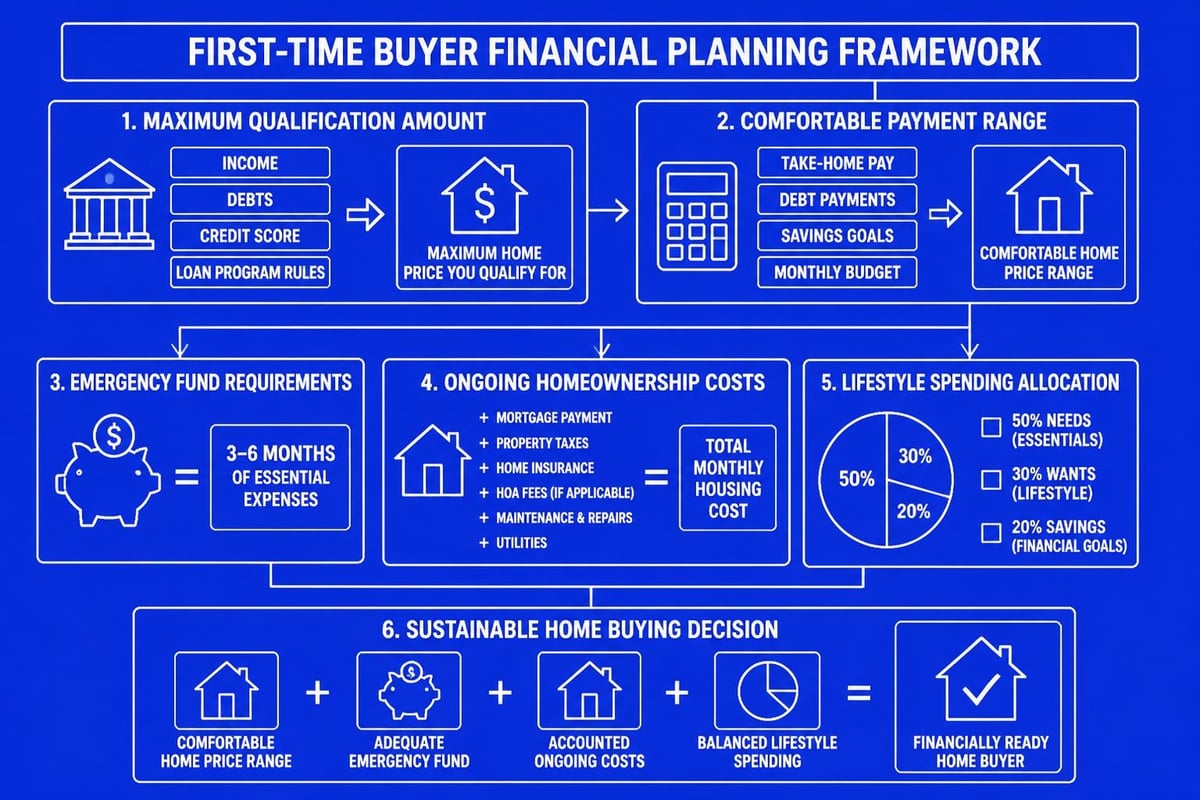
Consider your lifestyle goals, career trajectory, and risk tolerance when determining your comfortable budget. Many successful homeowners in Redmond, Kirkland, and throughout the Seattle area intentionally purchase below their maximum qualification, building equity while maintaining financial flexibility.
Working With a Mortgage Broker vs Direct Lenders
Choosing between a mortgage broker and going directly to a bank affects your loan options, rates, and overall experience. Understanding the distinction helps first-time buyers make informed decisions about their financing partner.
Benefits of Broker Relationships
Mortgage brokers access multiple lenders, allowing them to shop your scenario across various institutions to find optimal terms. This becomes particularly valuable for buyers with unique circumstances, such as Seattle tech workers with complex compensation structures or self-employed individuals with variable income.
Brokers also provide education and advocacy throughout the process, helping first-time buyers understand their options and avoid costly mistakes. The ability to compare programs, rates, and closing costs from multiple sources often results in better overall value than single-lender relationships.
Evaluating Lender Capabilities
Beyond rate comparisons, consider operational capabilities when selecting your financing partner. Can they close quickly when needed? Do they understand local market dynamics? Have they successfully closed loans for buyers in your specific situation?
For properties in competitive Seattle neighborhoods, working with experienced local brokers who have established relationships with listing agents and title companies can facilitate smoother transactions and prevent delays that cost deals.
Assistance Programs and Resources for Washington First-Time Buyers
Multiple programs exist specifically to help first-time buyers overcome financial barriers to homeownership, from down payment assistance to favorable loan terms.
Washington State Housing Finance Commission Programs
The Washington State Housing Finance Commission offers several programs combining down payment assistance with competitive interest rates. These programs typically require completion of homebuyer education courses and have income and purchase price limits varying by county.
Home Advantage provides down payment assistance as a second mortgage with a fixed interest rate, while House Key offers competitive first mortgage rates for income-qualified buyers. Understanding eligibility requirements and application processes allows buyers to incorporate these benefits into their overall financing strategy.
Employer Assistance Programs
Some Seattle-area employers offer homebuyer assistance programs for employees, including down payment grants, forgivable loans, or favorable mortgage terms through partner lenders. Tech companies increasingly recognize housing affordability challenges and implement benefits addressing this concern.
Reviewing your employee benefits package or consulting with HR about available programs can uncover valuable resources. Even smaller assistance amounts of $5,000-$10,000 meaningfully reduce cash needed at closing or help buyers reach the 20% down payment threshold to avoid PMI.
Local County and City Programs
King County and surrounding jurisdictions periodically offer targeted assistance for first-time buyers, particularly those purchasing in designated revitalization areas. These programs change based on available funding and policy priorities, making regular consultation with informed local brokers essential for identifying current opportunities.
Understanding how these various assistance programs stack and which combinations are permissible maximizes your available support. Some buyers successfully layer state, county, and employer assistance to significantly reduce their cash requirement.
Preparing for Your First Home Buyer Mortgage Application
Proper preparation streamlines the application process and positions you for the strongest possible approval. Taking specific steps before formally applying prevents delays and improves your overall financing terms.
Document Organization Checklist
Gathering required documentation proactively demonstrates preparedness and accelerates underwriting. Create digital copies of all requested items and organize them clearly for easy submission.
Essential documents include:
- Two years of W-2s and federal tax returns (all pages and schedules)
- Recent pay stubs covering the most recent 30-day period
- Two months of bank statements for all accounts (all pages)
- Documentation of other income sources (bonuses, commissions, rental income)
- Explanations for any recent large deposits or unusual transactions
- Current homeowners insurance declarations if you own other property
For self-employed buyers or those with complex income, additional documentation including profit and loss statements, business tax returns, and CPA-prepared financials may be required. Starting this collection process early prevents last-minute scrambles.
Building Your Financial Profile
If your current financial situation doesn't support optimal loan terms, strategic improvements over 6-12 months can dramatically enhance your position. Focus on actions that most significantly impact lender decisions.
Paying down credit card balances to below 30% of available limits improves both credit scores and DTI ratios. Avoid closing old accounts, as this can actually harm your score by reducing available credit and shortening your credit history length.
Consistently banking your income and avoiding cash transactions creates clean documentation trails that underwriters prefer. For buyers anticipating gifts from family members, coordinating the timing and documentation of these transfers with your lender prevents complications.
Understanding Closing Costs and Cash-to-Close Requirements
Beyond your down payment, various closing costs add to the cash required to complete your purchase. Understanding these expenses and planning accordingly prevents surprises and ensures you have adequate funds available.
Typical Closing Cost Components
Closing costs for first home buyer mortgage transactions typically range from 2-5% of the purchase price, varying based on your loan type, property location, and specific service providers.
| Cost Category | Typical Range | Purpose |
|---|---|---|
| Loan origination | 0.5-1.0% | Lender processing and underwriting |
| Appraisal fee | $500-$800 | Property valuation |
| Title insurance | $1,000-$3,000 | Ownership protection |
| Escrow/closing fee | $500-$1,500 | Transaction coordination |
| Prepaid items | Variable | Taxes, insurance, interest |
| Recording fees | $200-$500 | Government filing |
Some costs are negotiable, and buyers can shop for services like title insurance and homeowners insurance to find competitive rates. Understanding which fees are fixed versus variable allows informed decisions about where to focus cost-reduction efforts.
Seller Concessions and Lender Credits
In some market conditions, sellers may agree to pay a portion of your closing costs as part of the purchase negotiation. These concessions effectively reduce your cash requirement, though they're typically reflected in a higher purchase price.
Lender credits work differently, offering reduced closing costs in exchange for a slightly higher interest rate. This trade-off makes sense for buyers minimizing upfront cash but planning to refinance or move within a few years, as the higher rate costs less over a shorter holding period than paying full closing costs would save.
Refinancing Considerations for First-Time Buyers
While securing your initial first home buyer mortgage is the immediate priority, understanding future refinancing potential helps you make strategic decisions about your current loan structure.
When Refinancing Makes Sense
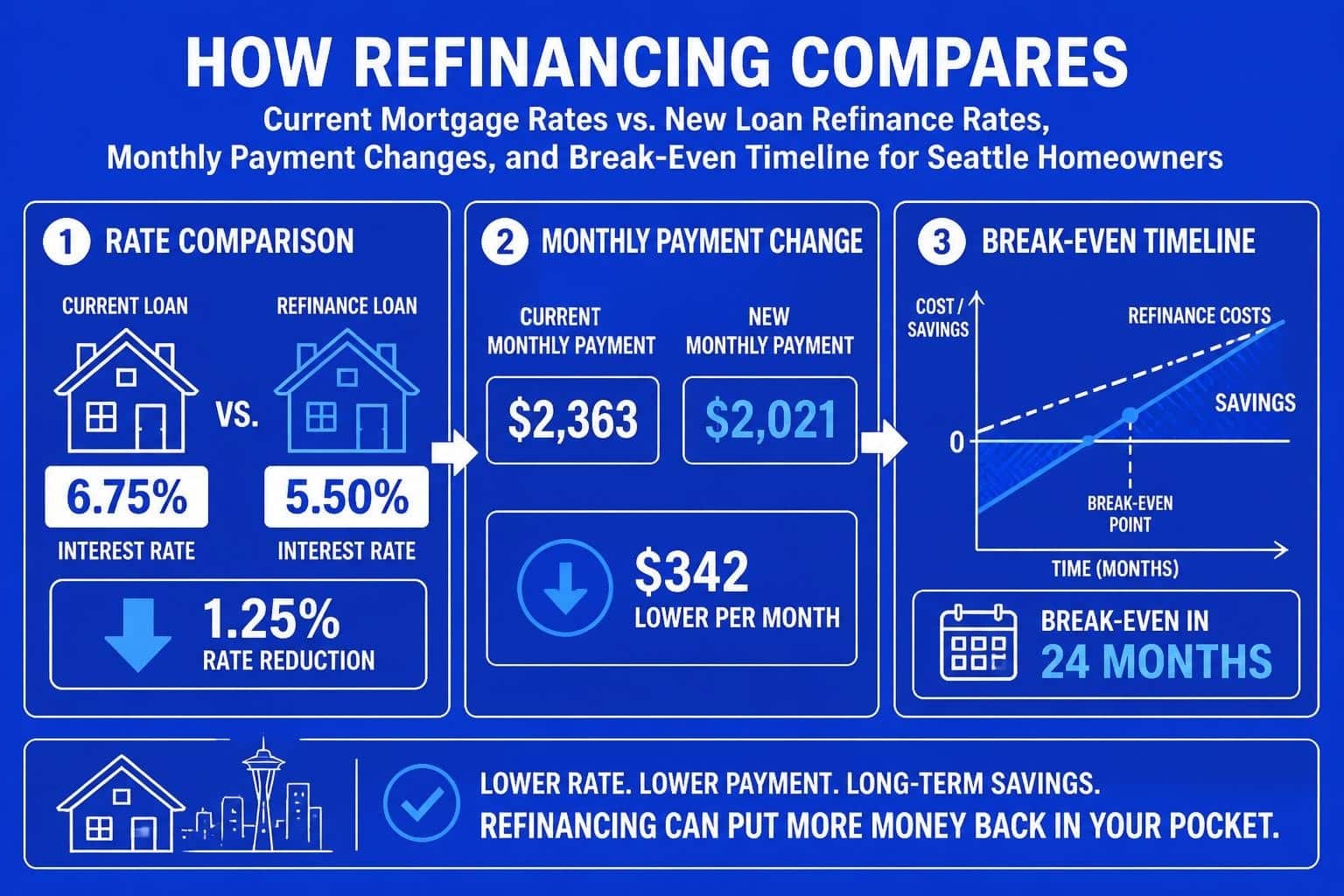
Refinancing becomes valuable when interest rates drop significantly below your current rate, when your credit improves enough to access better terms, or when you've built sufficient equity to remove PMI. Most experts suggest refinancing when you can lower your rate by at least 0.75-1.0%, though individual circumstances vary.
For buyers using FHA financing with permanent mortgage insurance, refinancing to conventional once you reach 20% equity eliminates this ongoing cost. Similarly, buyers who initially qualified with average RSU income may refinance once they have longer track records of stock compensation, potentially accessing better rates or higher loan amounts.
Building Equity for Future Flexibility
The equity you build through principal reduction and property appreciation creates financial flexibility for future decisions. This equity can eventually fund home improvements, serve as collateral for other lending needs, or provide down payment funds if you decide to move up to a larger property.
Understanding how different loan structures affect equity building influences your initial financing choice. Higher down payments, shorter loan terms, and additional principal payments all accelerate equity accumulation, though they require greater cash flow to support.
Navigating Market Uncertainty and Rate Fluctuations
Economic conditions and interest rate environments continually evolve, affecting both home prices and financing costs. First-time buyers benefit from understanding these dynamics and how to respond strategically.
Rate Impact on Affordability
Interest rate changes significantly affect your buying power. A one percentage point increase in rates reduces your purchasing power by approximately 10%, assuming constant monthly payment targets. This means a buyer qualified for $700,000 at 6.0% can only afford about $630,000 at 7.0%.
Monitoring current market trends helps you time your purchase strategically, though attempting to perfectly time the market often proves futile. Focus instead on whether purchasing makes sense for your personal situation at current conditions rather than speculating about future rate movements.
Balancing Timing With Personal Readiness
While market conditions matter, personal readiness should drive your timing more than attempts to catch perfect market moments. If you're financially prepared, have stable employment, and plan to own for at least 5-7 years, current market conditions become less critical than long-term value creation.
Buyers who wait indefinitely for perfect conditions often miss opportunities as both prices and rates fluctuate. Working with advisors who help you analyze your specific situation objectively prevents analysis paralysis while ensuring you don't rush into premature decisions.
Securing your first home buyer mortgage requires thorough preparation, strategic decision-making, and expert guidance to navigate the complexities of modern lending. By understanding available loan programs, strengthening your financial profile, and making informed choices about property selection and financing structure, you position yourself for successful homeownership in Seattle's competitive market. Keith Akada at Mortgage Reel brings over 25 years of experience helping first-time buyers throughout Seattle, Bellevue, Redmond, and Kirkland secure optimal financing with transparent guidance and proven execution. Whether you're a tech professional with complex compensation or a traditional W-2 employee taking your first step toward homeownership, expert local support ensures you make confident, well-informed decisions that serve your long-term financial goals.