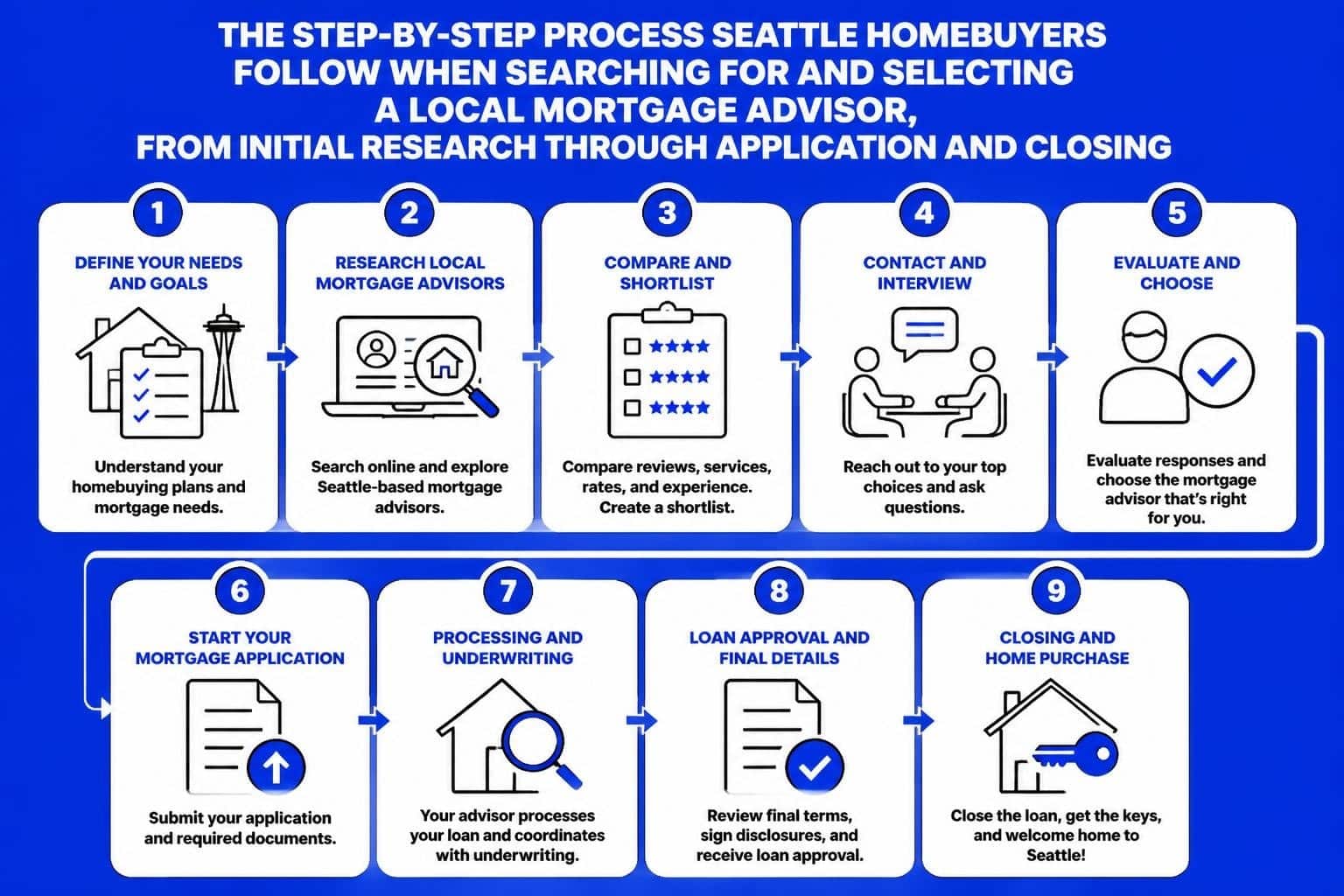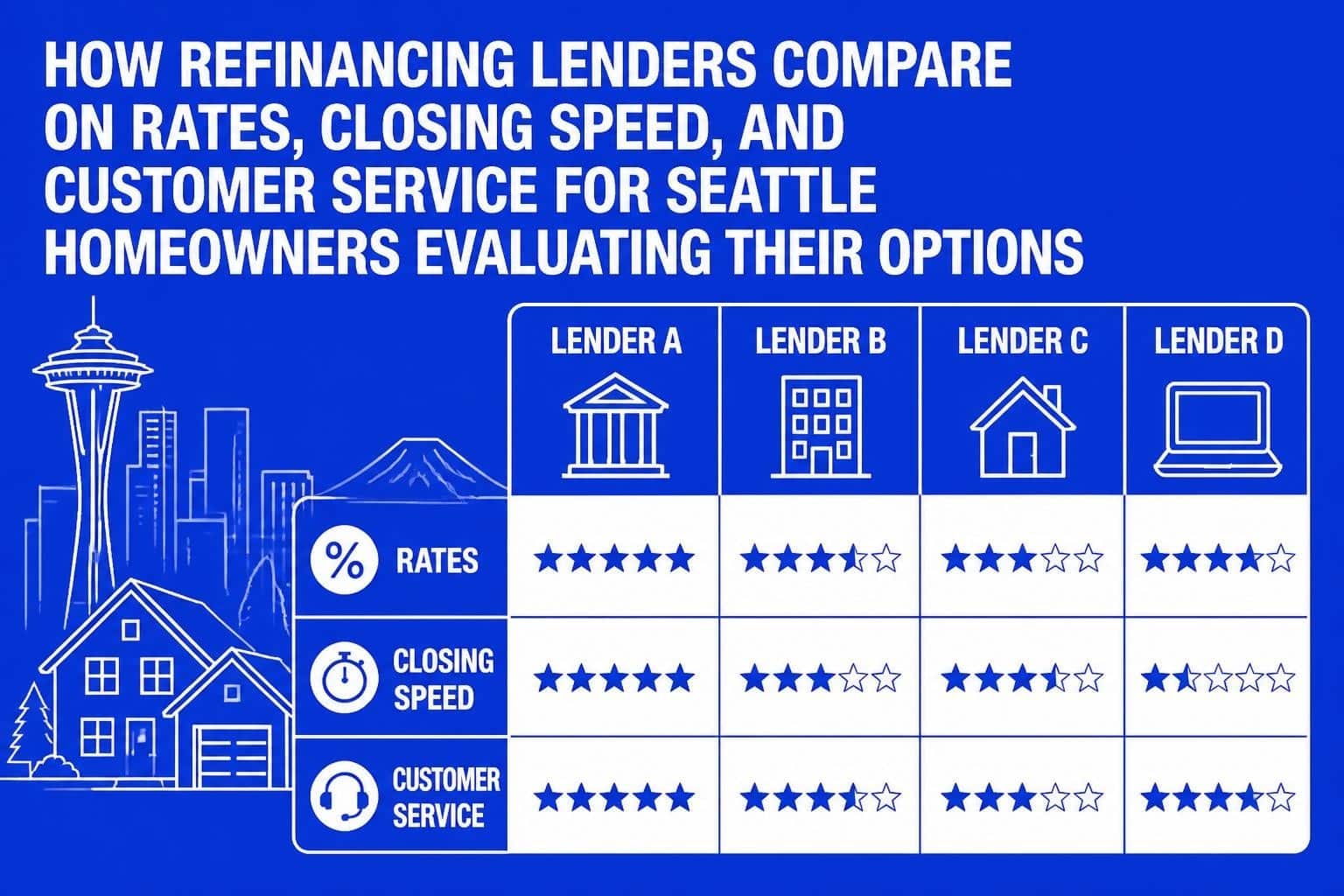
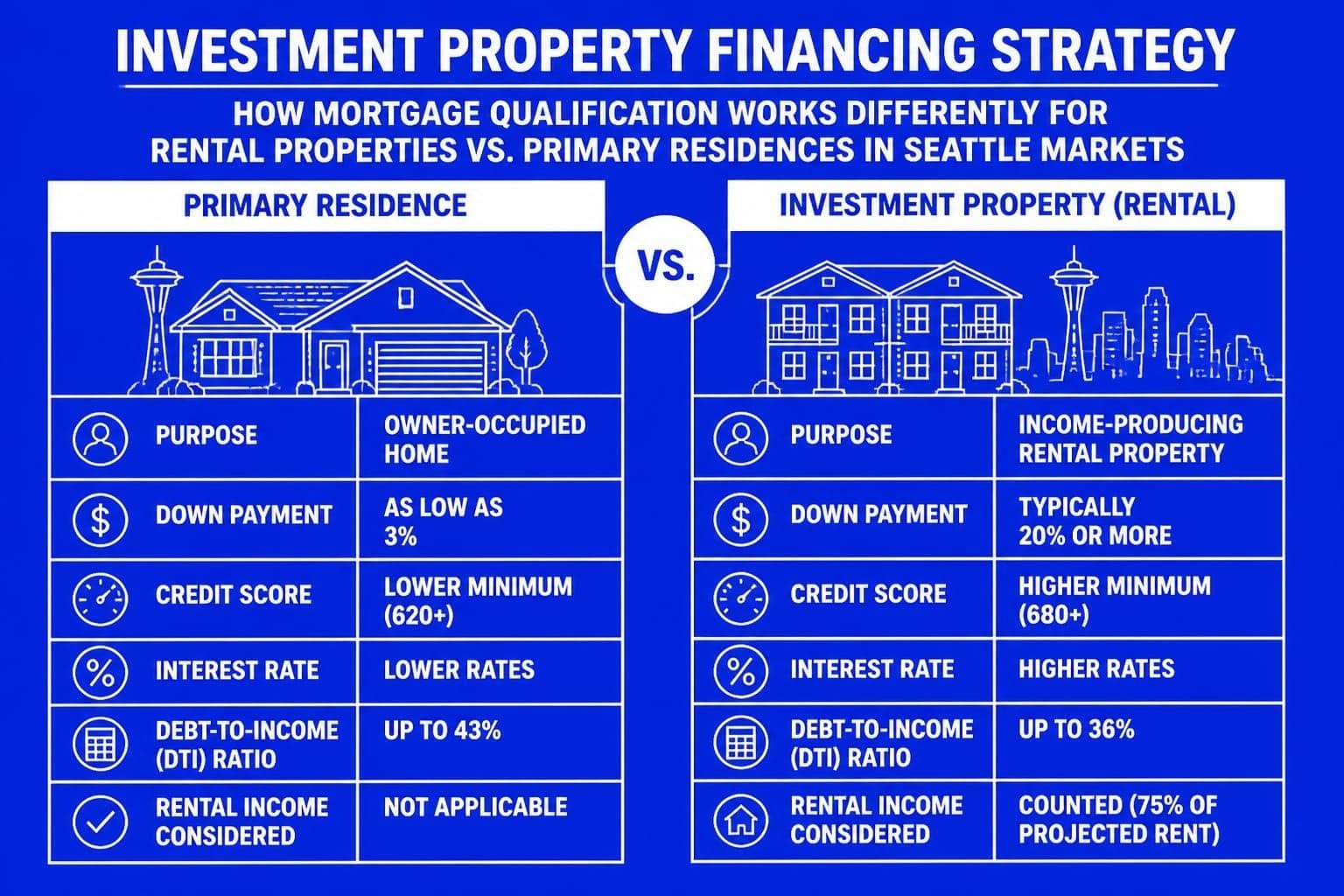
Securing a mortgage for investment property represents a significant opportunity for Seattle-area investors looking to build wealth through real estate. Unlike primary residence financing, investment property loans come with distinct requirements, higher rates, and stricter qualification standards. Whether you're a tech professional at Amazon or Microsoft looking to leverage equity compensation for rental property acquisition, or an experienced investor expanding your portfolio across Bellevue, Redmond, or Kirkland, understanding the nuances of investment property financing can mean the difference between a profitable venture and a missed opportunity.
Understanding Investment Property Mortgage Requirements
Investment property mortgages differ substantially from traditional home loans in several critical ways. Lenders view rental properties as higher-risk ventures because borrowers may prioritize their primary residence payments during financial hardship, potentially defaulting on investment property obligations.
Credit Score and Financial Thresholds
Most lenders require a minimum credit score of 620 for investment property financing, though investment property mortgage requirements typically favor scores of 680 or higher for optimal rates. In competitive Seattle markets, where property values often exceed national averages, maintaining excellent credit becomes even more crucial.
Key credit considerations include:
- 680+ credit score for best rates and terms
- Lower debt-to-income ratios (typically under 43%)
- Documented payment history on existing mortgages
- Strong cash reserves showing 6-12 months of payments
For Seattle tech professionals, qualifying income from RSUs and stock compensation requires specific documentation and underwriting expertise. Working with experienced mortgage brokers who understand equity compensation structures can streamline this process significantly.
Down Payment Requirements
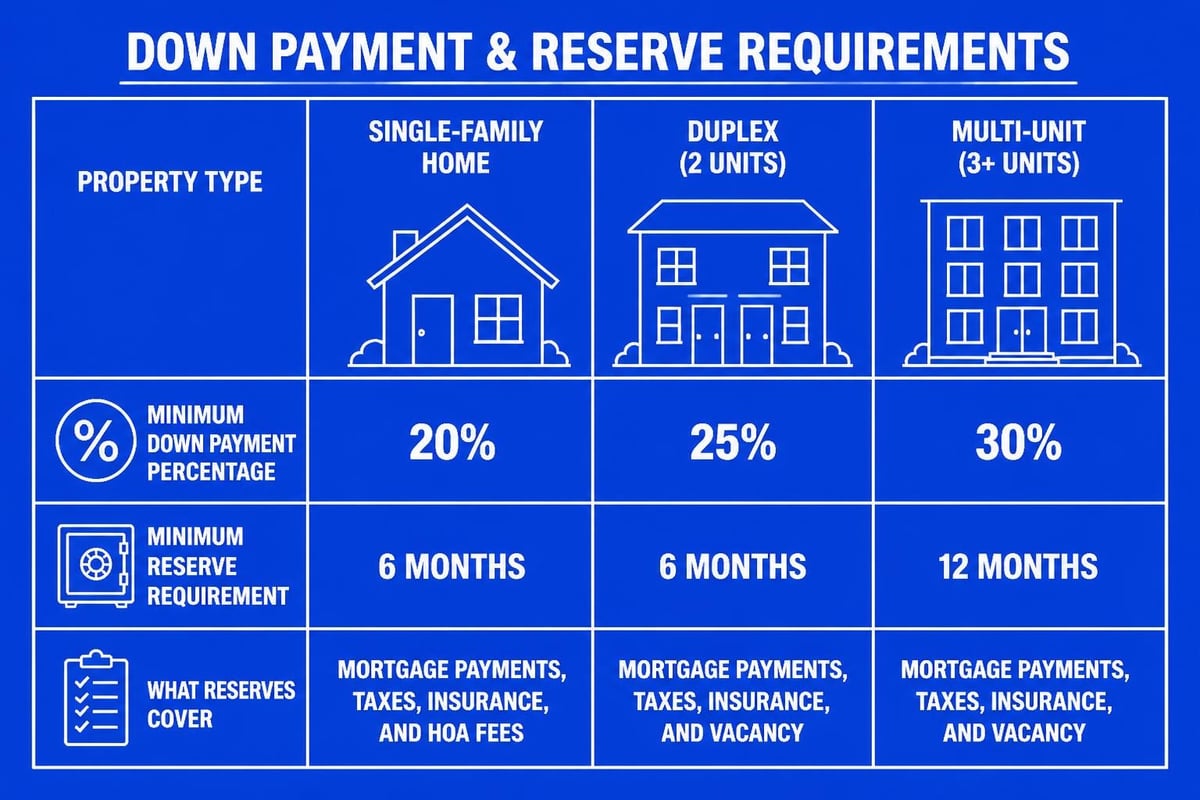
The down payment for a mortgage for investment property typically ranges from 15% to 25%, substantially higher than primary residence requirements. Single-family investment properties usually require 15-20% down, while multi-unit properties (2-4 units) often demand 25% or more.
| Property Type | Minimum Down Payment | Recommended Down Payment |
|---|---|---|
| Single-Family | 15% | 20%+ |
| 2-Unit | 25% | 25%+ |
| 3-4 Unit | 25% | 30%+ |
| Condos | 20% | 25%+ |
In high-value markets like Shoreline and Lake Forest Park, these percentages translate to substantial cash requirements. A $800,000 investment property would require $120,000 to $160,000 down, plus additional reserves for closing costs and cash reserves.
Investment Property Mortgage Rates in 2026
Investment property mortgage rates consistently run 0.50% to 0.75% higher than primary residence rates. As of August 2026, current investment property rates reflect this premium due to increased lender risk and different underwriting standards.
Factors Affecting Your Rate
Several elements influence the rate you'll receive on your investment property financing:
Borrower-specific factors:
- Credit score (higher scores = lower rates)
- Down payment amount (larger down = better rates)
- Cash reserves (6+ months preferred)
- Overall debt-to-income ratio
- Number of financed properties
Property-specific factors:
- Property type and condition
- Location and market stability
- Rental income potential
- Occupancy status (tenant-occupied vs. vacant)
Seattle-area investors benefit from strong rental markets across Lynnwood, Mill Creek, and Everett, which can positively influence underwriting decisions. Demonstrating solid rental income potential through market comparables and lease agreements strengthens your application.
Qualifying for Investment Property Financing
The qualification process for a mortgage for investment property involves more scrutiny than traditional home loans. Lenders evaluate both your personal financial strength and the property's income-generating potential.
Income Documentation Strategies
Lenders typically count 75% of expected rental income toward your qualifying income, though this varies by loan type and lender guidelines. For properties already generating rental income, you'll need lease agreements and tax returns showing rental income history.
Required documentation typically includes:
- Two years of personal tax returns
- Two years of business tax returns (if self-employed)
- Current lease agreements for existing rentals
- Rental income Schedule E from tax returns
- Bank statements showing cash reserves
- Employment verification and pay stubs
For tech professionals with complex compensation structures, understanding how to properly document jumbo home loans and equity income becomes essential. RSUs, stock options, and bonuses require specific treatment under underwriting guidelines.
Cash Reserve Requirements
Unlike primary residence loans, investment property mortgages require substantial cash reserves. Most lenders want to see 6-12 months of PITI (principal, interest, taxes, insurance) reserves for the investment property, in addition to reserves for your primary residence.
For investors with multiple properties, reserve requirements multiply quickly. Owning three rental properties might require demonstrating reserves covering 18-36 months of combined payments across all financed properties.
Loan Types for Investment Properties
Several loan programs accommodate investment property purchases, each with distinct advantages and limitations. Understanding these options helps you select the most strategic financing approach for your Seattle-area investment.
Conventional Investment Property Loans
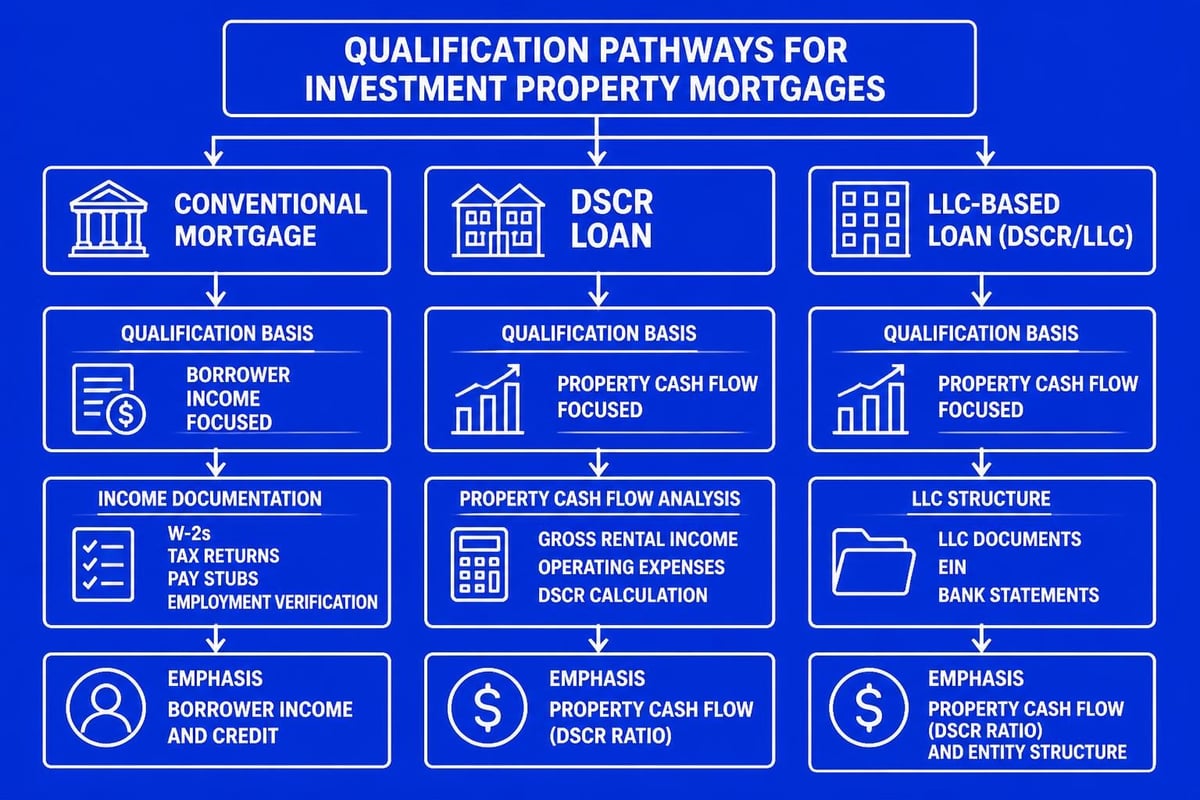
Conventional mortgage options for investment properties remain the most common financing choice. These loans follow Fannie Mae and Freddie Mac guidelines, offering relatively straightforward qualification and competitive terms for well-qualified borrowers.
Conventional loan advantages:
- Predictable underwriting standards
- Competitive rates for strong borrowers
- Ability to finance up to 10 properties
- Various term options (15, 20, 30 years)
Portfolio and DSCR Loans
For investors who don't fit conventional guidelines, portfolio loans and Debt Service Coverage Ratio (DSCR) loans provide alternatives. DSCR loans qualify based primarily on the property's rental income rather than personal income, making them ideal for investors with multiple properties or non-traditional income.
| Loan Type | Best For | Qualification Focus | Rate Premium |
|---|---|---|---|
| Conventional | W-2 employees, strong credit | Personal income + credit | Lowest |
| Portfolio | Unique situations | Relationship-based | Moderate |
| DSCR | Multiple properties | Property cash flow | Higher |
| LLC Financing | Asset protection | Entity + property | Moderate-High |
LLC and Entity-Based Financing
Some investors prefer holding properties in LLCs for liability protection. While LLC mortgage financing is available, it often comes with higher rates and requires personal guarantees. However, the asset protection benefits can outweigh the additional costs for larger portfolios.
Strategic Considerations for Seattle Investors
The Greater Seattle real estate market presents unique opportunities and challenges for investment property buyers. Understanding local market dynamics across different neighborhoods helps inform financing strategies.
Market-Specific Opportunities
Seattle's strong job market, particularly in technology sectors, supports robust rental demand across the metro area. Properties in Bellevue and Redmond command premium rents due to proximity to major employers, while emerging markets in Everett and Mill Creek offer better cash flow potential with lower entry costs.
Seattle-area investment considerations:
- Higher property values require larger down payments
- Strong appreciation history supports equity building
- Diverse rental markets from urban to suburban
- Strict landlord-tenant regulations affect operations
Working with a Seattle mortgage broker who understands local market nuances provides strategic advantages beyond simple rate quotes. Local expertise helps navigate zoning regulations, rental market conditions, and neighborhood-specific investment potential.
Tax and Financial Planning
Investment property ownership creates tax implications that affect your overall financial strategy. Mortgage interest, property taxes, insurance, maintenance, and depreciation all factor into your tax situation and long-term return calculations.
Key tax considerations include:
- Mortgage interest deductibility
- Depreciation schedules and recapture
- Pass-through income treatment
- 1031 exchange opportunities for portfolio growth
Coordinating your mortgage strategy with tax planning ensures you maximize benefits while maintaining compliance with IRS regulations. The financing costs and structure you select can significantly impact your after-tax returns.
Maximizing Approval Chances
Successfully securing a mortgage for investment property requires thorough preparation and strategic positioning. Several proactive steps improve your approval odds and potentially secure better terms.
Pre-Approval Preparation
Before property hunting, organize your financial documentation and strengthen any weak areas in your borrowing profile. This preparation period allows time to address credit issues, accumulate additional reserves, or reduce debt-to-income ratios.
Pre-approval strengthening strategies:
- Pay down high-balance credit cards
- Avoid opening new credit accounts
- Document all income sources thoroughly
- Accumulate 6-12 months additional reserves
- Resolve credit report errors or discrepancies
A comprehensive pre-approval from an experienced lender provides confidence when making offers in competitive Seattle markets. Properties in desirable areas like Kirkland and Redmond often receive multiple offers, making financial readiness crucial.
Property Selection and Due Diligence
The property you select directly impacts financing terms and approval likelihood. Lenders prefer well-maintained properties in stable neighborhoods with strong rental demand and solid comparable sales history.
Avoid properties requiring extensive repairs or those in declining markets, as these raise red flags during underwriting. Additionally, ensure the property appraises at or above purchase price, as investment property loans rarely allow for appraisal gaps without additional down payment.
Rate Optimization Strategies
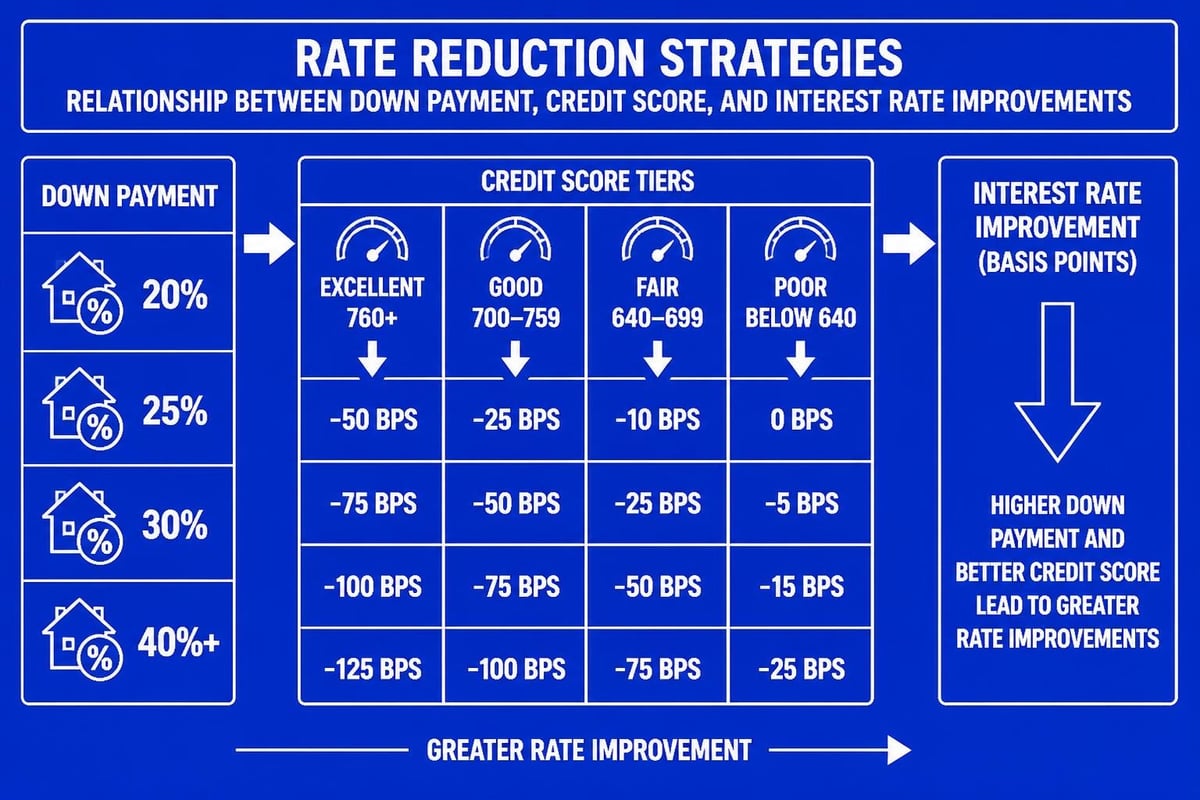
While investment property rates exceed primary residence rates, several strategies can help secure favorable terms. Understanding these approaches allows you to position yourself as a lower-risk borrower deserving of better pricing.
Rate Reduction Techniques
Effective rate optimization methods:
- Increase your down payment: Moving from 20% to 25% down often unlocks better rate tiers
- Buy discount points: Paying upfront fees reduces your interest rate over the loan term
- Improve your credit score: Even 20-point increases can affect pricing
- Shorten your loan term: 15-year loans typically offer lower rates than 30-year options
- Shop multiple lenders: Rate variations of 0.25% to 0.50% are common across lenders
For Seattle tech professionals with substantial equity compensation, using vested RSUs or stock proceeds for larger down payments can significantly improve both approval odds and rate offerings. Understanding how to properly structure these transactions maximizes their effectiveness.
Timing Considerations
Market conditions significantly impact investment property rates. While you can't perfectly time the market, understanding rate trends helps inform your purchase decisions. Following economic indicators, Federal Reserve policy, and mortgage bond performance provides insight into potential rate movements.
In 2026, working with lenders who offer rate lock flexibility and extended lock periods protects you during the purchase process. Construction delays or extended closings can cause rate locks to expire, potentially costing thousands in higher rates.
Common Challenges and Solutions
Investment property financing presents unique obstacles that catch many first-time investors off-guard. Anticipating these challenges and preparing solutions prevents delays and disappointments.
Appraisal Issues
Investment properties sometimes appraise below contract price, especially in rapidly appreciating markets. Unlike primary residences where sellers might reduce prices, investment property sellers rarely accommodate appraisal gaps since buyers are presumably more sophisticated.
Solutions include:
- Negotiating appraisal contingencies during offer stage
- Maintaining additional cash reserves for potential gaps
- Selecting properties with strong comparable sales
- Ordering pre-listing appraisals when possible
Rental Income Documentation
New investors purchasing their first rental property face challenges proving rental income potential. Without an existing lease, lenders rely on market rent studies and appraiser rent schedules, which may be conservative.
Providing market research, comparable rental listings, and professional property management estimates strengthens your case. Some lenders discount projected rental income more heavily for first-time investors compared to experienced landlords with proven track records.
Multi-Property Portfolio Management
As your portfolio grows, each additional financed property increases complexity. Fannie Mae and Freddie Mac limit conventional financing to 10 properties, requiring alternative solutions for larger portfolios.
Planning your financing strategy from the beginning prevents hitting arbitrary limits. Mixing conventional loans, portfolio products, and strategic property sales maintains financing flexibility as you scale.
Portfolio Growth and Refinancing
Your initial mortgage for investment property represents just the beginning of your financing journey. Strategic refinancing and portfolio expansion require ongoing attention to market conditions and financial positioning.
Cash-Out Refinancing for Expansion
Once properties appreciate and build equity, cash-out refinancing provides capital for additional investments without selling existing holdings. This strategy accelerates portfolio growth while maintaining beneficial long-term positions.
Seattle's historically strong appreciation rates make this strategy particularly effective. Properties purchased in emerging areas like Lake Forest Park or Lynnwood often appreciate faster than regional averages, creating refinancing opportunities within 2-3 years.
1031 Exchange Considerations
For investors looking to upgrade or relocate properties, 1031 exchanges defer capital gains taxes while transitioning into better investments. Proper financing coordination ensures you meet strict 1031 timelines while securing appropriate terms on replacement properties.
Working with lenders experienced in 1031 transactions prevents costly mistakes. Financing must close within 180 days of selling the relinquished property, and funds must flow through qualified intermediaries, creating unique coordination challenges.
Working With Specialized Lenders
Not all lenders offer investment property financing, and among those that do, expertise levels vary dramatically. Selecting a lender with deep investment property experience, particularly in Seattle markets, provides substantial advantages beyond simple rate comparisons.
Local Market Expertise
Lenders familiar with Seattle-area investment markets understand neighborhood dynamics, rental market conditions, and property-specific considerations that affect underwriting. This knowledge translates to smoother transactions and more realistic expectations throughout the process.
For instance, understanding that Everett rental markets differ substantially from Bellevue influences property evaluation, rental income projections, and risk assessment. Local mortgage expertise bridges these gaps effectively.
Equity Compensation Qualification
Seattle's concentration of major tech employers creates unique financing opportunities. Lenders experienced in qualifying RSUs, stock options, and bonus income can maximize your borrowing power, often approving loan amounts that generic lenders would decline.
This specialization proves particularly valuable for investment properties, where qualification typically requires stronger financial profiles than primary residence purchases. Properly documenting and underwriting equity compensation can add hundreds of thousands to your available purchase power.
Execution and Reliability
Investment property transactions often involve tighter timelines than primary residence purchases. Sellers expect quick closes from investors, and properties in competitive markets like Redmond or Kirkland may receive multiple offers with varying close timelines.
Lenders with streamlined underwriting processes and strong track records provide competitive advantages in offer situations. The ability to close in 9 business days, when competitors require 30-45 days, can mean the difference between accepted and rejected offers.
Securing a mortgage for investment property requires careful planning, strong financial positioning, and strategic lender selection. Understanding the requirements, preparing thoroughly, and working with experienced professionals positions you for successful real estate investment in Seattle's dynamic markets. Keith Akada at Mortgage Reel brings 25+ years of expertise helping Seattle-area investors navigate complex financing scenarios, from first rental property purchases to sophisticated portfolio expansion strategies. With 750+ five-star reviews and specialized knowledge in equity compensation qualification, Keith provides the education, transparency, and execution reliability that serious investors require.