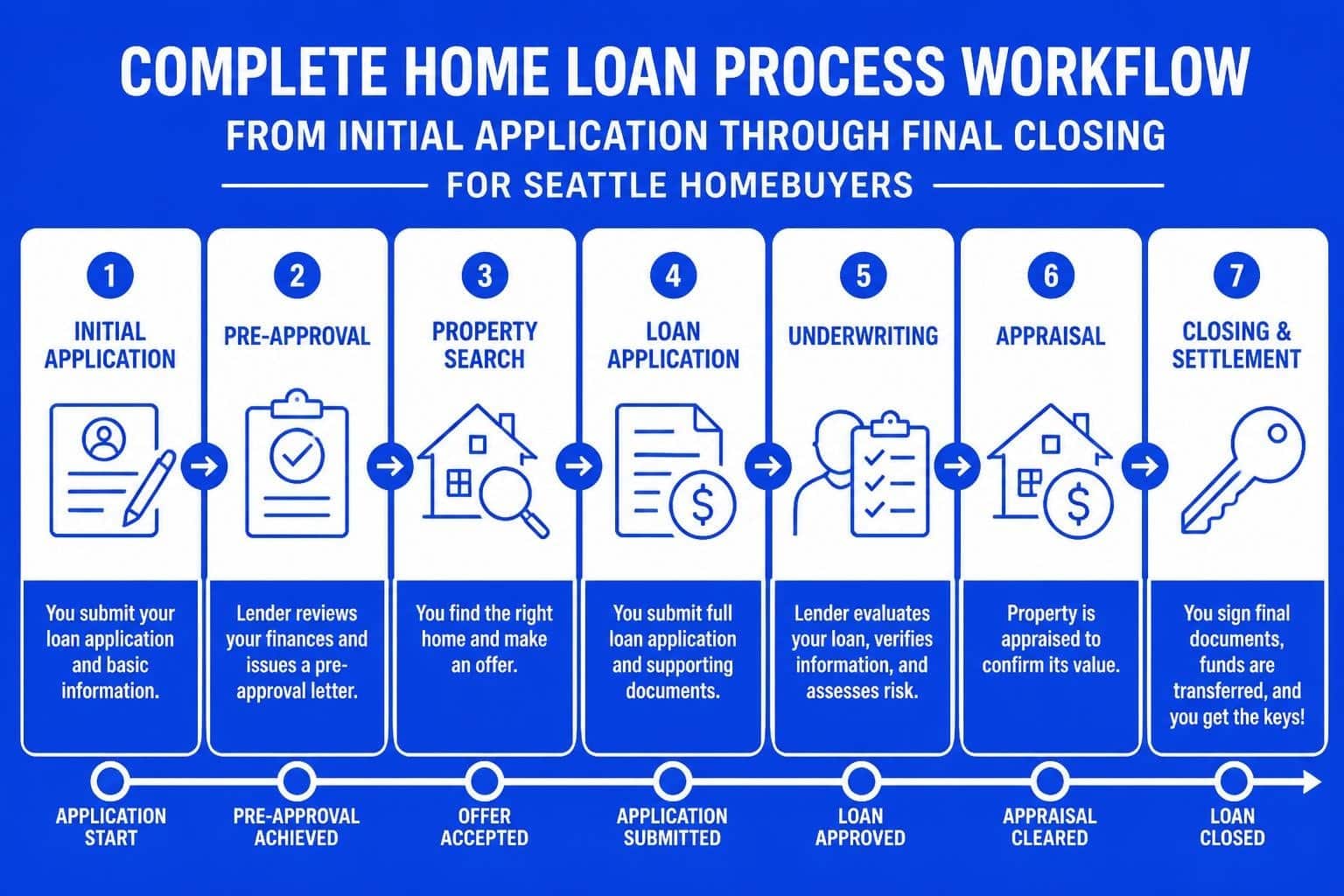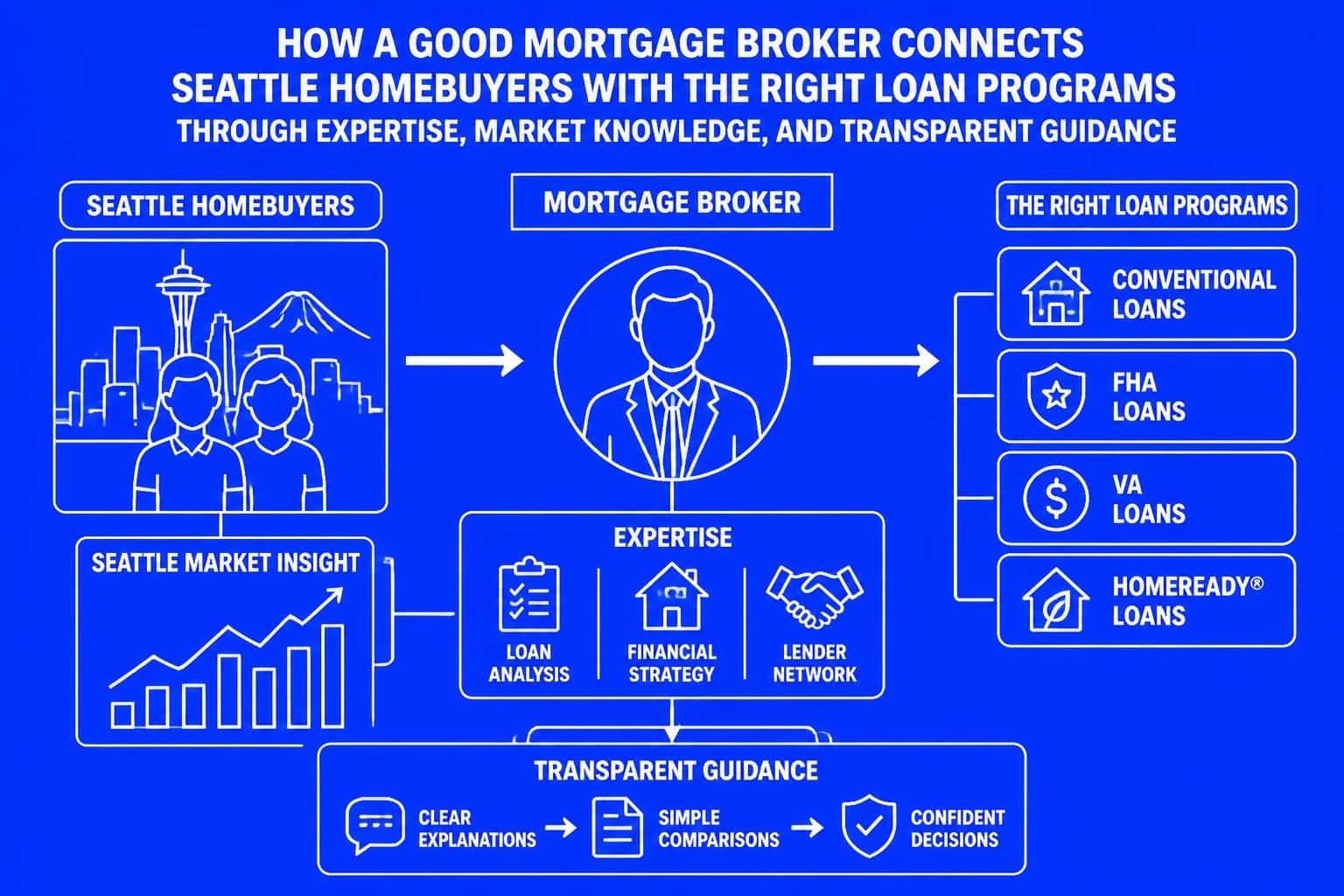
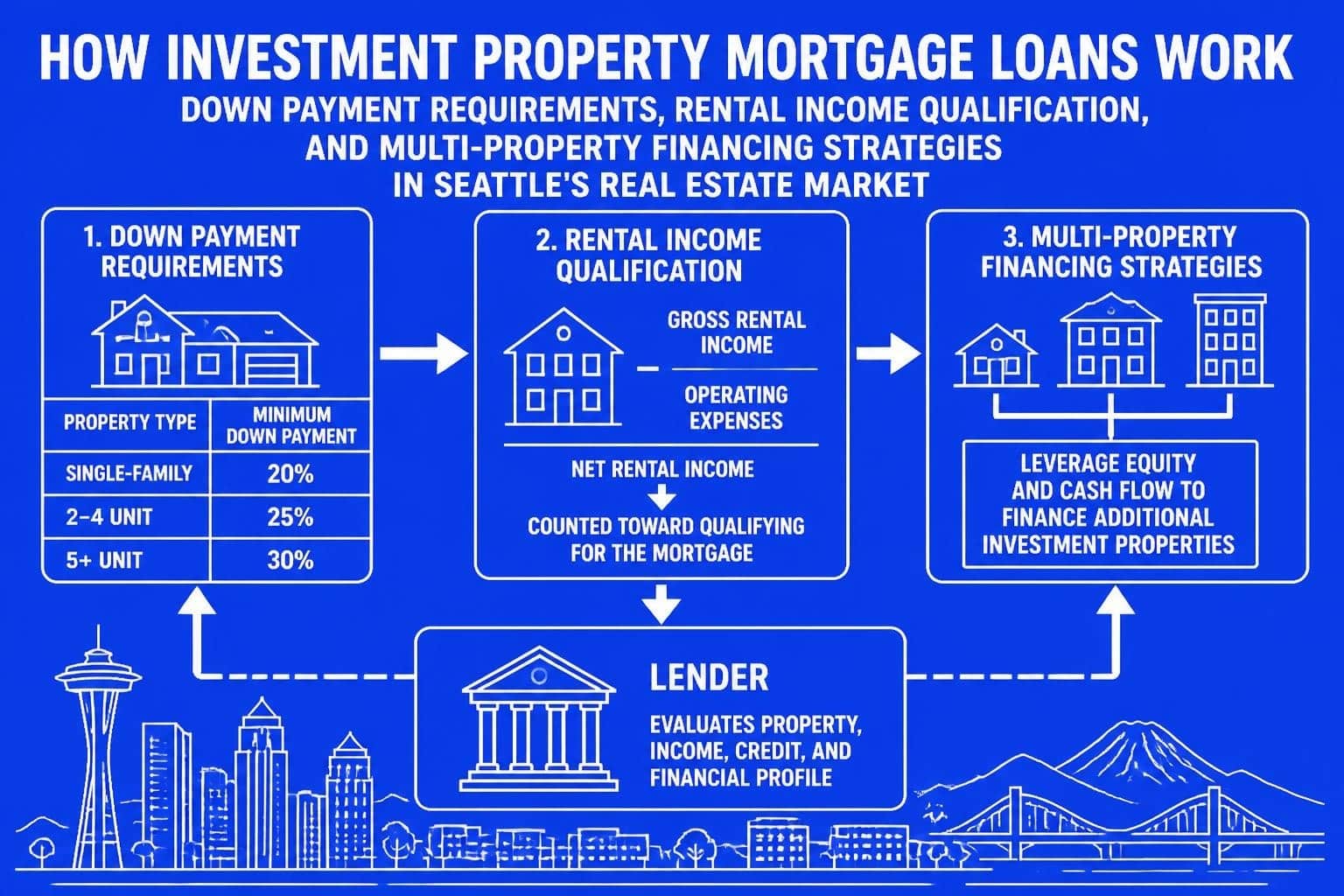
Real estate investors across Seattle, Bellevue, and Redmond have discovered that building wealth through rental properties requires more than just finding the right property-it demands understanding how to secure the right financing. A mortgage loan for investment property differs significantly from traditional home financing, with stricter qualification standards, higher down payment requirements, and different interest rate structures. For tech professionals at Amazon and Microsoft looking to diversify their portfolios, understanding these financing nuances becomes essential before making that first investment purchase.
Understanding Investment Property Financing
Investment property mortgages represent specialized lending products designed specifically for properties you don't intend to occupy as your primary residence. Lenders view these loans as higher risk compared to owner-occupied financing, which translates directly into more stringent qualification criteria.
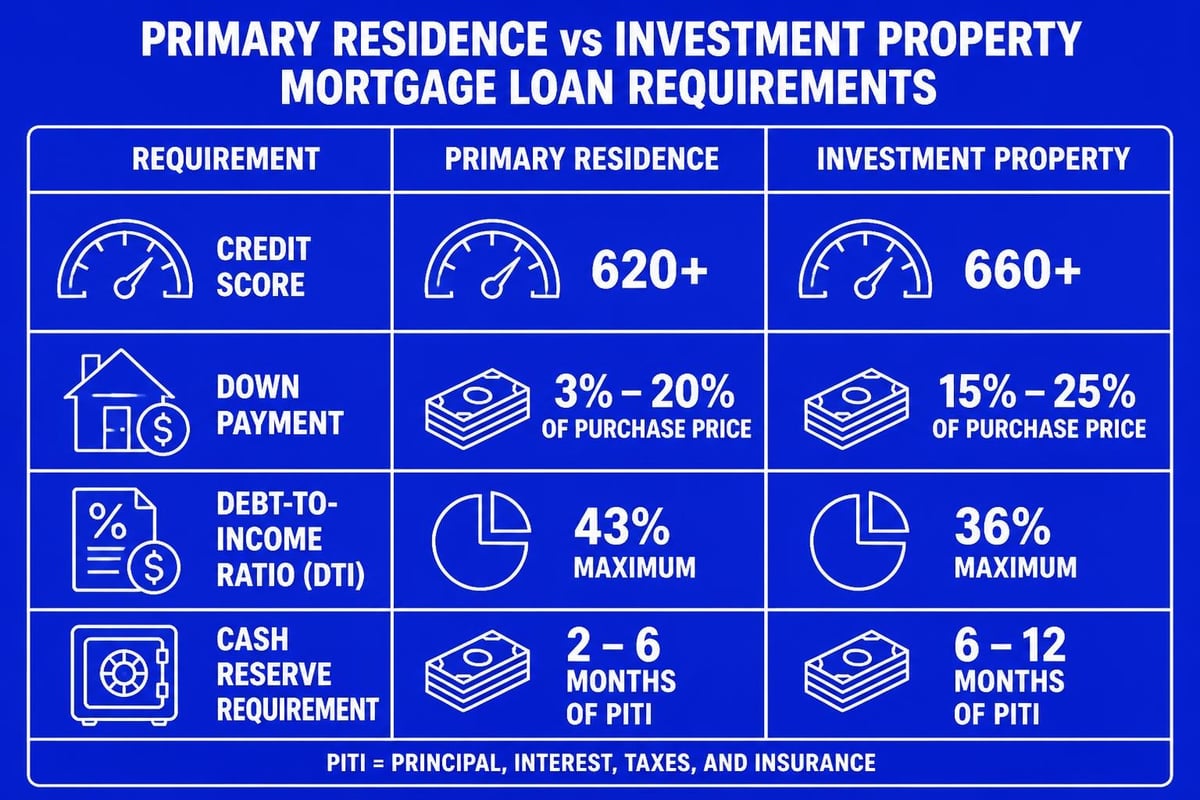
Key Differences From Primary Residence Loans
When you apply for a mortgage loan for investment property, lenders evaluate your application through a different lens entirely. Credit score minimums typically start at 620 for conventional loans, though most competitive rates require scores above 700. Down payment requirements usually begin at 15% for single-unit investment properties and increase to 25% for multi-unit buildings.
The distinction matters because investment property mortgages require different underwriting standards than conventional home loans. Lenders scrutinize your debt-to-income ratio more carefully, often requiring ratios below 43% even with strong credit profiles.
Reserve requirements represent another critical difference:
- Six months of mortgage payments (PITI) for the investment property
- Additional reserves for any other properties you own
- Documentation of stable employment and income history
- Proof of experience managing rental properties (preferred but not always required)
Interest rates on investment property loans typically run 0.5% to 0.75% higher than comparable owner-occupied mortgages. This premium reflects the increased default risk lenders associate with investment properties.
Qualification Requirements for Seattle Investors
The Seattle metropolitan area presents unique opportunities and challenges for real estate investors. Properties in Shoreline, Lynnwood, and Lake Forest Park offer different price points and rental yields, but qualification standards remain consistent across these markets.
Income Documentation and DTI Calculations
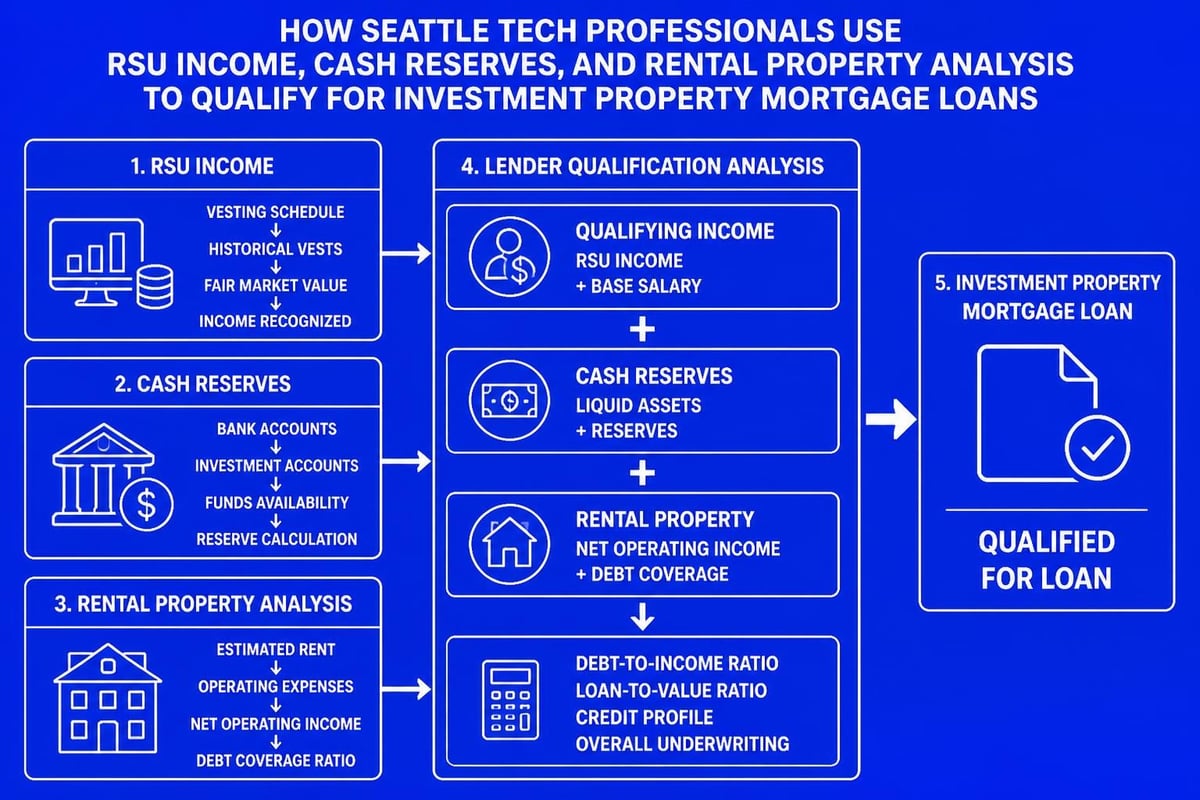
Lenders calculate your debt-to-income ratio by including the proposed mortgage payment for the investment property. However, they may also credit you with projected rental income, typically calculating 75% of the expected monthly rent to account for vacancy and maintenance costs.
For tech professionals with RSUs and stock compensation, proper documentation becomes crucial. Most lenders require two years of consistent stock income before including it in qualification calculations, though specialized mortgage financing approaches can sometimes accelerate this timeline.
| Loan Type | Minimum Credit Score | Minimum Down Payment | Maximum DTI Ratio |
|---|---|---|---|
| Conventional | 620-640 | 15-25% | 43-45% |
| Portfolio | 680+ | 20-30% | 40-43% |
| DSCR | 660+ | 20-25% | Not applicable |
| Hard Money | 600+ | 25-35% | Varies |
Cash Reserves and Liquidity
Beyond the down payment, lenders require substantial cash reserves. For a single investment property in Mill Creek or Everett, expect to demonstrate liquid assets covering six months of payments. Each additional property you own increases this requirement proportionally.
Acceptable reserve sources include:
- Savings and checking accounts
- Money market accounts and certificates of deposit
- Vested retirement accounts (60-70% of value)
- Taxable investment accounts
- Cash value of life insurance policies
Stock holdings and RSUs may qualify as reserves, but lenders typically apply haircuts of 30-40% to account for market volatility. Working with experienced mortgage brokers helps navigate these calculations effectively.
Loan Options for Investment Properties
Several financing pathways exist for investment property purchases, each offering distinct advantages depending on your financial profile and investment strategy.
Conventional Investment Property Loans
Most investors start with conventional financing through Fannie Mae or Freddie Mac guidelines. These loans offer competitive rates and terms but require strong financial profiles. You can finance up to ten properties simultaneously through conventional programs, making them ideal for building a substantial portfolio.
Conventional loan lenders in the Seattle market provide these products with 15-year and 30-year fixed-rate options, plus adjustable-rate mortgages that may offer lower initial payments.
DSCR Loans: Income-Based Alternatives
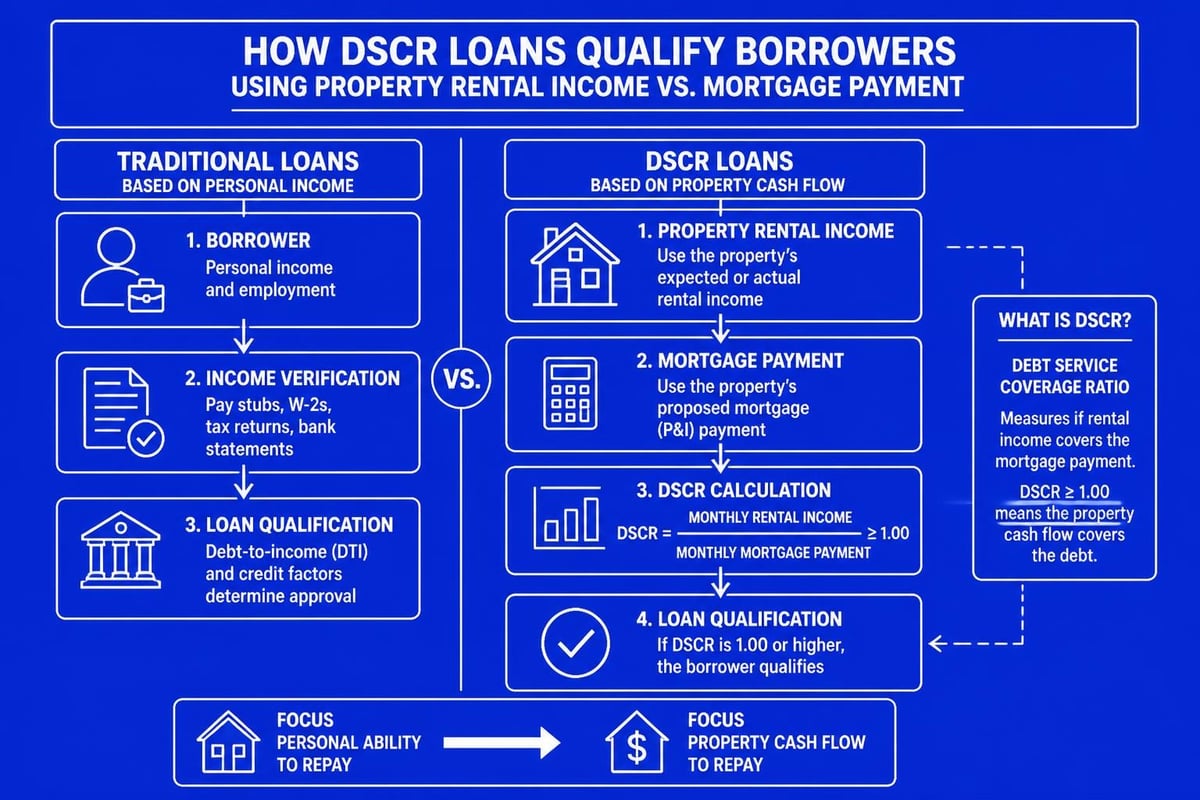
Debt Service Coverage Ratio loans represent an increasingly popular option for investors with complex income situations. Rather than qualifying based on your personal income, DSCR loans focus on the property’s cash flow and ability to cover its own mortgage payment.
These loans work exceptionally well for self-employed borrowers, retirees, or investors acquiring multiple properties quickly. The property's rental income must typically exceed the mortgage payment by 20-25% to qualify.
Portfolio and Jumbo Investment Loans
For higher-value properties in Bellevue or downtown Seattle, jumbo home mortgage products accommodate loan amounts exceeding conventional limits. These portfolio loans often feature more flexible underwriting but may carry slightly higher rates.
Advantages of portfolio lending:
- Customized underwriting for unique situations
- Higher loan amounts for luxury investment properties
- Potential to qualify more rental income
- Faster closing timelines in competitive markets
- Relationship-based pricing for existing clients
Down Payment Strategies and Requirements
The down payment represents the most significant upfront cost when securing a mortgage loan for investment property. Strategic planning around this requirement can accelerate your investment timeline considerably.
Minimum Down Payment Standards
Single-family investment properties typically require 15-20% down for the most competitive conventional financing. This increases to 25% for properties with two to four units. Some lenders offer 15% down programs, but these usually come with higher interest rates and stricter credit requirements.
For properties in Lynnwood or Shoreline priced below $500,000, a 20% down payment might total $100,000-a substantial but achievable target for many Seattle-area professionals with stock compensation packages.
Sourcing Your Down Payment
Acceptable down payment sources extend beyond simple savings accounts. Gift funds from family members can supplement your contribution, though lenders typically require the buyer to contribute at least 5% from personal funds.
Leveraging equity from your primary residence through a cash-out refinance or home equity line of credit provides another pathway. This strategy works particularly well when you've built significant equity in your Seattle home over recent years.
Interest Rates and Loan Terms
Understanding rate structures for investment property financing helps you project accurate returns and make informed acquisition decisions.
Current Rate Environment
As of August 2026, investment property mortgage rates typically run 0.5% to 0.75% above comparable owner-occupied loans. While primary residence rates might hover around 6.5%, expect investment property rates between 7.0% and 7.5% for well-qualified borrowers.
These rates fluctuate based on several factors:
- Credit score tiers (680, 700, 720, 740+)
- Loan-to-value ratios (75%, 80%, 85%)
- Property type (single-family, condo, multi-unit)
- Number of units (single-family versus duplex or fourplex)
- Reserve levels (six months versus twelve months)
Investors with credit scores above 740 and 25% down payments typically secure the most competitive rates available in the market.
Fixed Versus Adjustable Rate Options
Most investment property buyers in the Seattle area choose fixed-rate financing for predictability and stability. However, adjustable-rate mortgages (ARMs) can make sense for certain strategies.
| Loan Structure | Best For | Initial Rate Advantage | Risk Factor |
|---|---|---|---|
| 30-Year Fixed | Long-term holds | None | None |
| 15-Year Fixed | Faster equity building | 0.5-0.75% lower | Higher payments |
| 7/1 ARM | 5-7 year flip strategy | 0.75-1.0% lower | Rate adjustment |
| 5/1 ARM | Short-term projects | 1.0-1.25% lower | Earlier adjustment |
ARMs work particularly well for investors planning to refinance or sell within the initial fixed period, potentially improving cash flow during the critical early years of property ownership.
Maximizing Qualification Potential
Tech professionals in Seattle possess unique advantages when qualifying for investment property financing, particularly those with substantial equity compensation packages.
Leveraging Stock-Based Compensation
RSUs and stock options from Amazon, Microsoft, or Google can significantly boost your qualification potential when properly documented. Lenders typically require two consecutive years of receiving equity compensation before including it in income calculations.
Documentation requirements include:
- W-2 forms showing stock income for two years
- Vesting schedules demonstrating future grants
- Recent pay stubs reflecting ongoing RSU distributions
- Tax returns confirming reported stock income
- Evidence of continued employment and grant continuity
Some lenders offer more aggressive qualification approaches for tech employees with strong vesting schedules, particularly when combined with substantial cash reserves and high credit scores.
Building a Strong Application Package
Preparation distinguishes successful investment property buyers from those who struggle to secure financing. Assembling a comprehensive application package before property shopping streamlines the approval process significantly.
Your package should include current pay stubs, two years of W-2s and tax returns, three months of bank statements showing reserves, a complete rental property analysis, and documentation of any existing investment properties. For borrowers working with trusted Seattle mortgage brokers, this preparation enables faster pre-approval and stronger offers in competitive markets.
Multi-Property Portfolio Financing
Building a rental property portfolio requires understanding how lenders evaluate borrowers with multiple financed properties.
The Ten-Property Limit
Conventional financing through Fannie Mae and Freddie Mac accommodates up to ten financed properties total, including your primary residence. This means you could potentially own nine investment properties plus your home, all with conventional financing.
However, qualification becomes progressively more challenging as your portfolio grows. Lenders scrutinize reserve requirements more carefully, and some impose overlays limiting portfolios to four or six properties.
Cross-Collateralization Strategies
Some portfolio lenders offer cross-collateralization, using equity in existing properties to secure financing for new acquisitions. This approach can reduce down payment requirements or eliminate them entirely for borrowers with substantial equity positions.
Portfolio lending advantages:
- Relationship-based underwriting
- Consolidated servicing across multiple properties
- Potential rate discounts for large portfolios
- Flexible qualification standards
- Streamlined refinancing options
Working with lenders who specialize in investment property financing becomes increasingly important as your portfolio expands beyond three or four properties.
Alternative Financing Options
Traditional mortgage products don't suit every investment strategy or borrower profile. Several alternative financing pathways exist for specific situations.
Hard Money Loans for Quick Closings
Hard money loans prioritize the property's value over the borrower's credit profile or income. These short-term loans typically last 6-24 months with higher interest rates (9-15%) but enable rapid closings for time-sensitive opportunities.
Hard money works well for fix-and-flip projects in Lake Forest Park or Mill Creek, where investors plan to renovate and quickly resell or refinance into permanent financing. The speed and flexibility offset the higher costs for the right projects.
Private Money and Partnerships
Private lenders and investment partnerships provide another avenue for real estate investors. These arrangements typically involve higher returns for the capital provider but offer more flexible terms than institutional financing.
Structuring these relationships properly requires legal guidance, but they can facilitate acquisitions that wouldn't qualify for traditional financing. Many successful Seattle investors began building portfolios through private money before transitioning to conventional financing as their experience and credit profiles strengthened.
Property Types and Loan Parameters
Different property configurations trigger varying loan requirements and qualification standards.
Single-Family Rentals
Traditional single-family homes represent the most straightforward path to investment property financing. These properties typically qualify for the lowest down payments (15-20%) and most competitive rates among investment property categories.
The Seattle suburbs-including Everett, Shoreline, and Lynnwood-offer numerous single-family rental opportunities at various price points. Properties generating strong rental yields relative to purchase price perform best in lender underwriting.
Multi-Unit Properties (2-4 Units)
Duplexes, triplexes, and fourplexes require larger down payments (typically 25%) but offer higher income potential. Lenders view these properties favorably because multiple units reduce vacancy risk-if one unit becomes vacant, others continue generating income.
| Property Type | Minimum Down Payment | Typical Rate Premium | Income Calculation |
|---|---|---|---|
| Single-Family | 15-20% | Base rate | 75% of market rent |
| Duplex | 20-25% | +0.125-0.25% | 75% of total rents |
| Triplex | 25% | +0.25-0.375% | 75% of total rents |
| Fourplex | 25% | +0.25-0.375% | 75% of total rents |
Multi-unit properties also offer potential for house-hacking strategies, where you might occupy one unit while renting others, potentially qualifying for owner-occupied financing with lower down payments.
Condos and Townhomes
Investment property financing for condominiums requires additional scrutiny. The condominium project itself must meet lender approval criteria, including owner-occupancy ratios, financial reserve levels, and active litigation status.
Many Seattle-area condo buildings maintain FHA or conventional approval status, simplifying the financing process. However, non-warrantable condos-those failing to meet agency guidelines-require portfolio financing with higher rates and larger down payments.
Tax Implications and Strategic Considerations
Beyond securing the mortgage loan for investment property, understanding tax treatment helps optimize your investment returns.
Deductible Expenses
Investment property owners can deduct mortgage interest, property taxes, insurance, maintenance costs, property management fees, and depreciation. These deductions often create paper losses that offset rental income, reducing your tax liability while still generating positive cash flow.
Working with tax professionals familiar with real estate investment ensures you maximize available deductions while maintaining proper documentation. This becomes particularly important for high-income Seattle tech workers in elevated tax brackets.
Cash Flow Versus Appreciation
Seattle's strong appreciation history makes it tempting to prioritize price growth over rental yields. However, lenders focus on cash flow-the property must generate sufficient income to cover its mortgage payment and expenses.
Key cash flow metrics:
- Gross rent multiplier (purchase price divided by annual rent)
- Cap rate (net operating income divided by purchase price)
- Cash-on-cash return (annual cash flow divided by cash invested)
- Debt service coverage ratio (rental income divided by mortgage payment)
Properties with strong fundamentals in both categories-solid cash flow AND appreciation potential-represent ideal investment opportunities. Areas like Mill Creek and Lake Forest Park often balance these factors effectively.
Common Mistakes to Avoid
Even experienced investors stumble when navigating investment property financing. Awareness of common pitfalls helps you avoid costly errors.
Insufficient Reserve Planning
Many first-time investment property buyers underestimate reserve requirements, focusing exclusively on the down payment. Lenders require documented reserves covering six months of payments, and prudent investors maintain even larger cushions for vacancies, repairs, and unexpected expenses.
For a property with a $2,500 monthly payment (PITI), you'd need $15,000 in reserves just to satisfy lender requirements. Adding your own safety margin might push this to $25,000-$30,000 for comfortable operation.
Overlooking Total Carrying Costs
Your mortgage payment represents just one component of total ownership costs. Property taxes, insurance, HOA fees, maintenance reserves, property management, and vacancy allowances all impact your actual returns.
A property generating $3,000 monthly rent might have a $2,000 mortgage payment, but after accounting for all carrying costs, your actual monthly cash flow might total just $300-$500. Understanding these realities prevents disappointing surprises after closing.
Working With Specialized Lenders
Not all mortgage lenders excel at investment property financing. Selecting the right lending partner significantly impacts your success and experience.
Experience With Rental Properties
Lenders specializing in investment properties understand the nuances of rental income qualification, reserve calculations, and portfolio management. They can often find solutions that generalist lenders miss, particularly for borrowers with complex income structures or multiple properties.
Experienced mortgage lenders in Seattle who work regularly with real estate investors bring valuable market knowledge, understanding which property types and locations lenders favor and how to structure applications for maximum approval likelihood.
Speed and Execution
In competitive Seattle-area markets, closing speed provides a significant advantage. Lenders who can close investment property transactions in 15-21 days versus 30-45 days give you negotiating leverage and increase your chances in multiple-offer situations.
This speed requires excellent documentation, efficient processing, and strong lender-underwriter coordination-qualities that distinguish top-tier mortgage professionals from average ones.
Market-Specific Considerations for Seattle Investors
The greater Seattle metropolitan area presents unique dynamics that impact investment property financing and strategy.
Price-to-Rent Ratios Across Markets
Different submarkets offer varying relationships between purchase prices and achievable rents. Bellevue properties might generate lower rental yields than similar homes in Everett, but they often appreciate more aggressively over time.
Understanding these dynamics helps you select properties that meet both lender underwriting standards and your investment objectives. Properties with strong rental yields qualify more easily for financing and provide better cash flow during ownership.
Tech Industry Impact on Housing Demand
Seattle's concentration of high-paying tech employment creates steady rental demand, particularly in areas with convenient commutes to major employment centers. Properties near light rail stations or major transit corridors often command premium rents while maintaining strong tenant demand.
This employment stability also influences lender perceptions-properties in strong employment markets may receive more favorable underwriting treatment than those in economically volatile areas.
Building Your Investment Strategy
Successful real estate investing requires more than just securing financing-it demands a coherent strategy aligned with your financial goals and risk tolerance.
Long-Term Buy-and-Hold
Many Seattle investors adopt buy-and-hold strategies, acquiring quality properties in strong neighborhoods and holding them for decades. This approach maximizes tax benefits through depreciation, builds equity through mortgage paydown and appreciation, and generates increasing cash flow as rents rise while fixed-rate mortgage payments remain constant.
For this strategy, securing the lowest possible interest rate and choosing appropriate loan terms becomes critical. Even a 0.25% rate difference significantly impacts long-term returns on properties held for 15-30 years.
Value-Add and Repositioning
Other investors focus on acquiring underperforming properties, making strategic improvements, and either refinancing into permanent financing or selling for profit. This approach requires different financing-often starting with hard money or portfolio loans before transitioning to conventional financing after stabilization.
Understanding which financing products support which strategies helps you match your capital stack to your investment approach effectively.
Securing a mortgage loan for investment property requires careful planning, strong financial positioning, and expert guidance through increasingly complex qualification standards. Whether you're acquiring your first rental property in Shoreline or building a substantial portfolio across the Seattle metropolitan area, understanding financing options and requirements positions you for success. Keith Akada at Mortgage Reel brings 25+ years of experience helping real estate investors navigate investment property financing, from conventional loans to portfolio products. With specialized expertise in qualifying stock-based compensation and fast closings through Fairway's advanced underwriting, Keith serves investors throughout Seattle, Bellevue, Redmond, and Kirkland with transparent guidance and reliable execution.