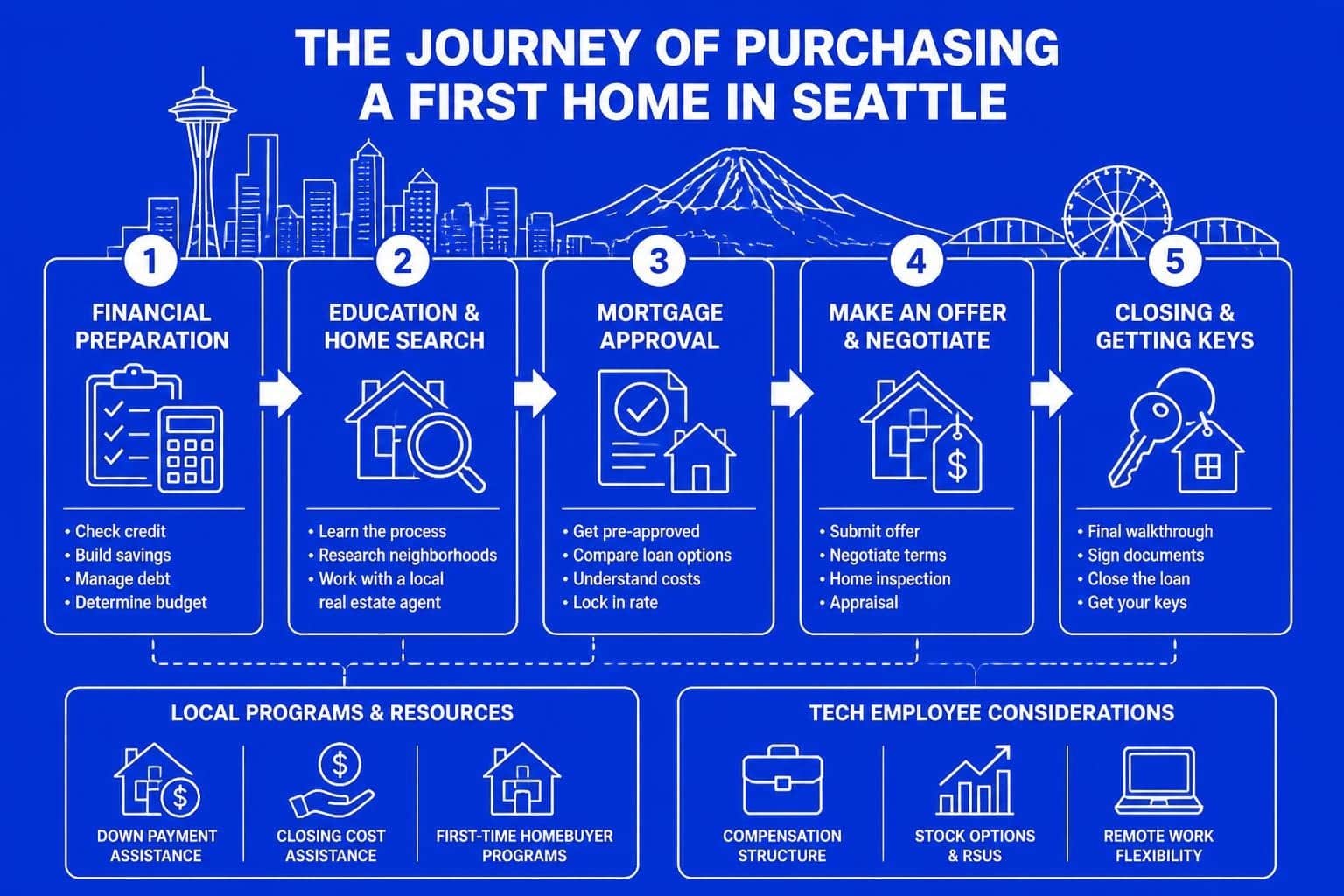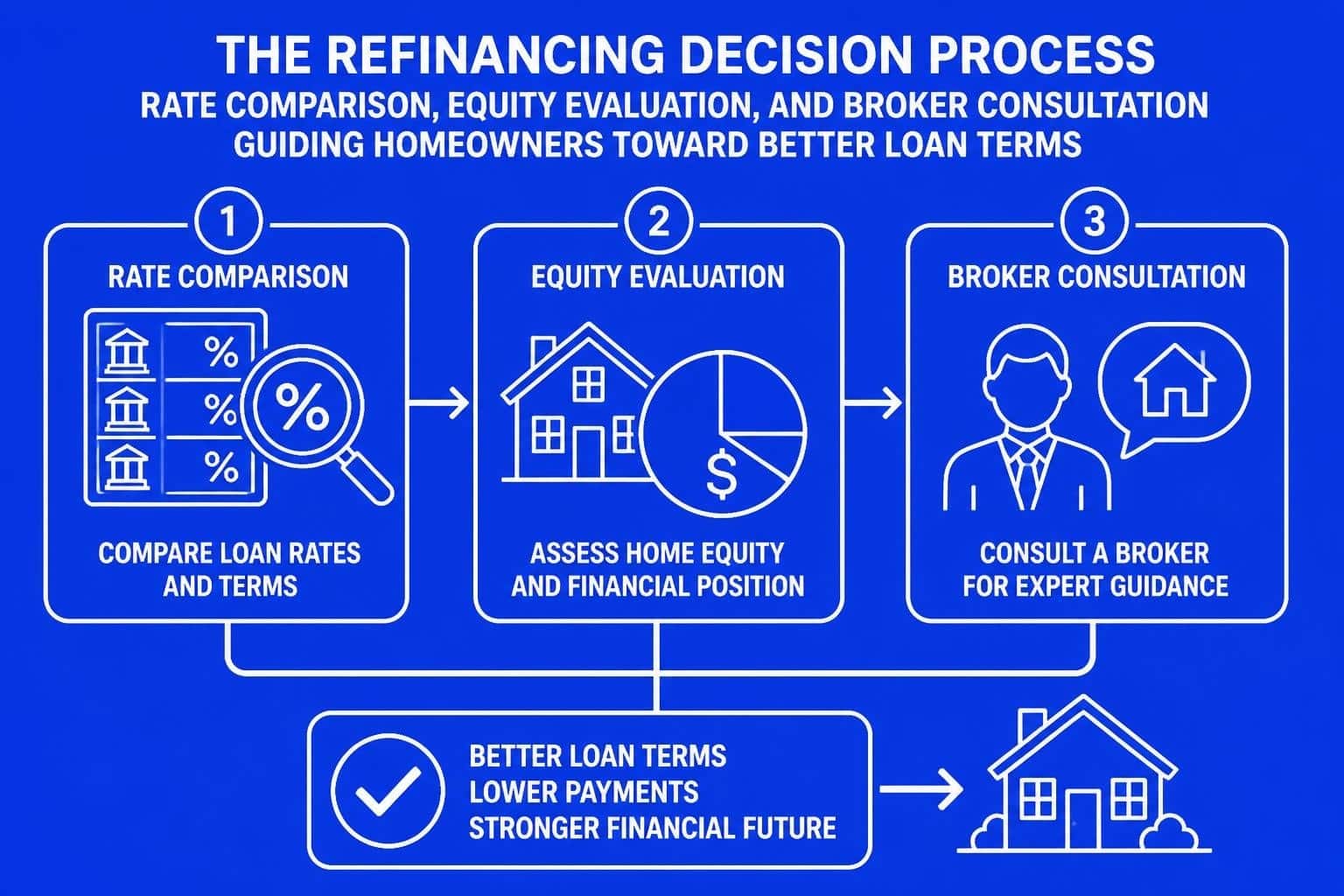
Finding the right mortgage lenders FHA can make the difference between approval and rejection when purchasing a home in Seattle's competitive housing market. FHA loans remain one of the most accessible pathways to homeownership for first-time buyers, those rebuilding credit, or anyone who doesn't have a substantial down payment saved. Understanding how to identify qualified FHA lenders, what they offer, and how their underwriting differs from conventional financing empowers you to make strategic decisions that align with your financial situation and homeownership goals.
Understanding FHA Loans and Approved Lenders
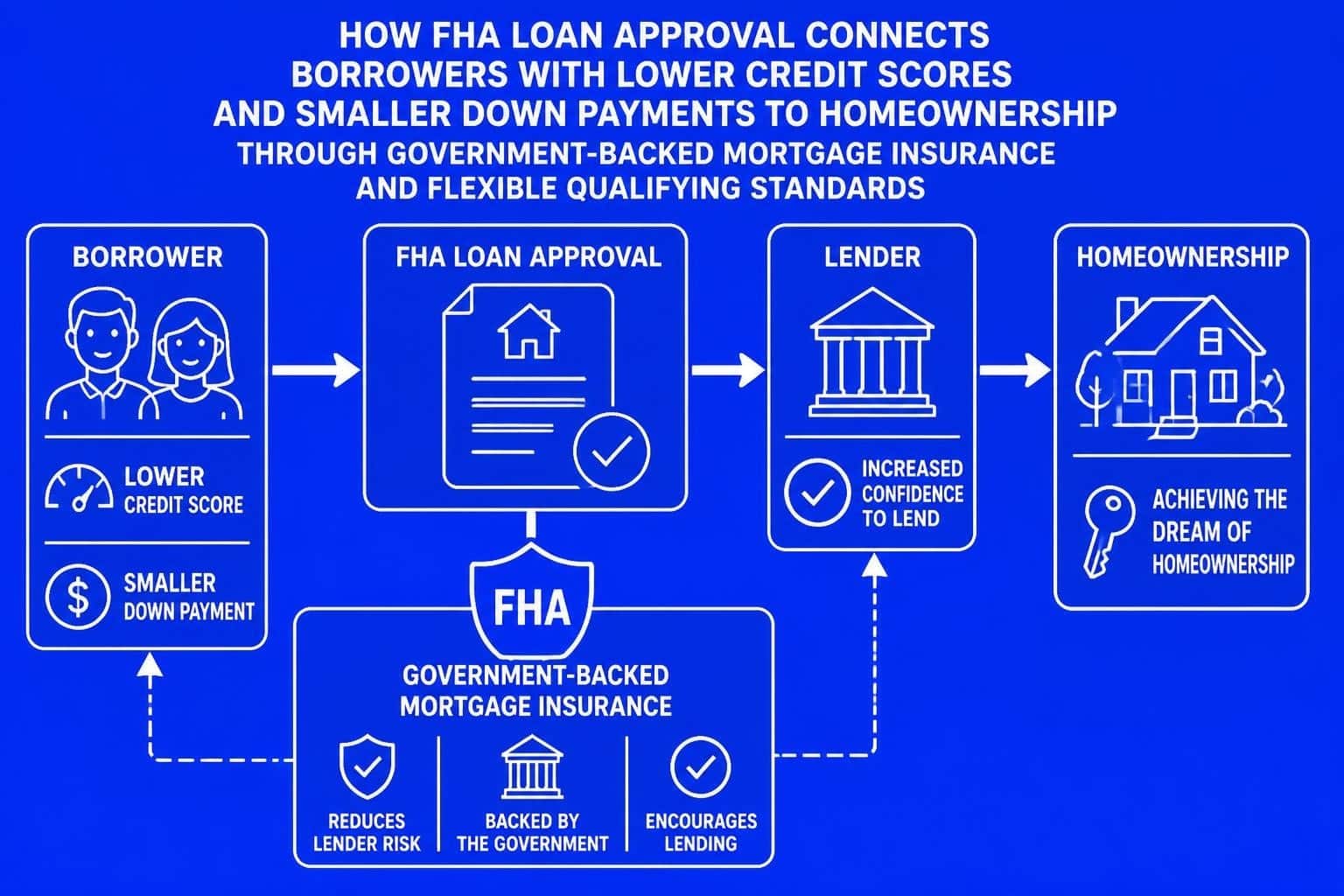
The Federal Housing Administration doesn't directly lend money to homebuyers. Instead, FHA-approved lenders originate these government-backed mortgages, which means the FHA insures the loan against borrower default. This insurance protection allows lenders to offer more flexible qualification standards than conventional loans typically permit.
Key benefits of working with mortgage lenders FHA include:
- Down payments as low as 3.5% for borrowers with credit scores of 580 or higher
- Credit score requirements down to 500 with a 10% down payment
- Higher debt-to-income ratios accepted (up to 50% in some cases)
- Flexible income documentation for self-employed borrowers
- Gift funds accepted for down payment and closing costs
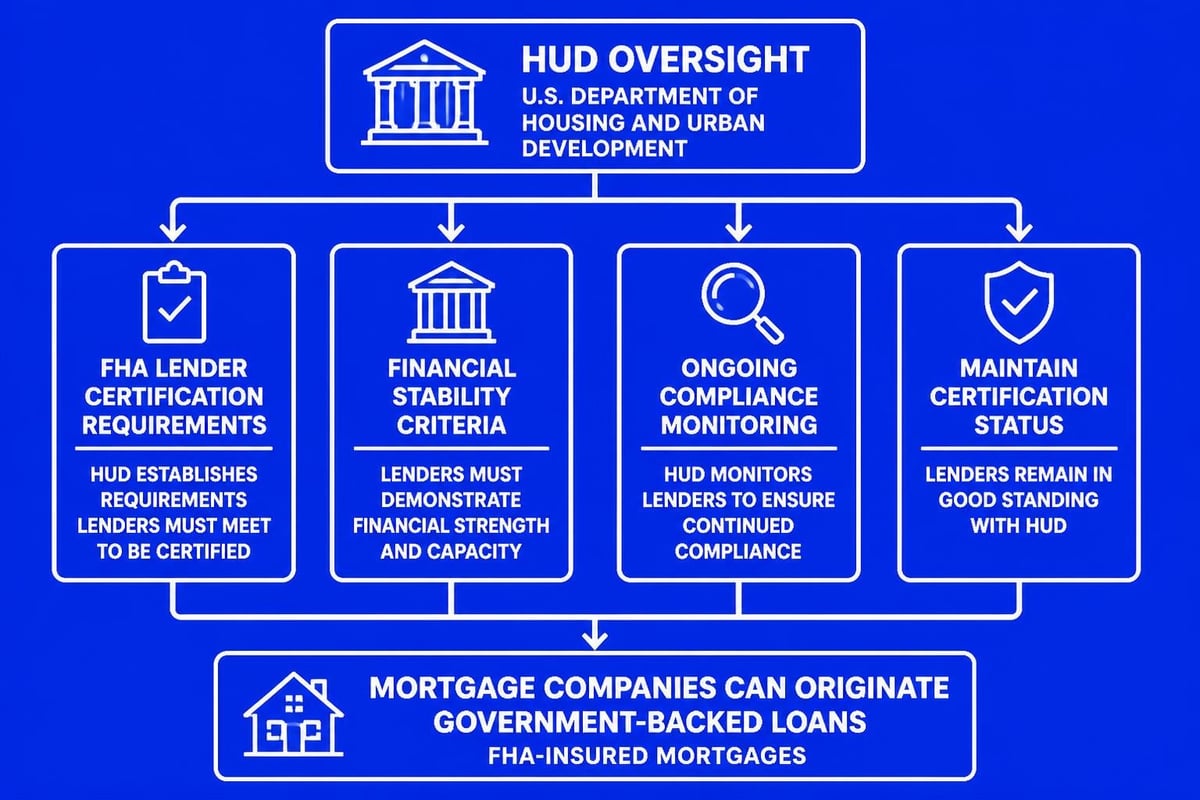
Not all mortgage companies have FHA approval. Lenders must meet specific HUD requirements and maintain proper certifications to originate FHA-insured loans. When searching for home loans for first-time buyers in Seattle, Bellevue, or Redmond, verifying FHA approval status should be your first step.
How FHA Lender Approval Works
The Department of Housing and Urban Development maintains strict oversight of institutions authorized to originate FHA loans. Lenders must demonstrate financial stability, proper licensing, adequate staffing with trained loan officers, and compliance with FHA’s Single Family Housing Policy Handbook.
Banks, credit unions, and mortgage brokers can all become FHA-approved lenders. The approval process involves application review, financial examination, and ongoing monitoring to ensure continued compliance with federal lending standards.
Types of Mortgage Lenders FHA Borrowers Can Choose
Seattle homebuyers have multiple options when selecting among mortgage lenders FHA for their purchase or refinance. Each lender type offers distinct advantages depending on your specific circumstances, timeline, and complexity of your financial profile.
National Banks and Large Financial Institutions
Major banks like Wells Fargo, Bank of America, and Chase maintain robust FHA lending programs with extensive resources and branch networks. These institutions often advertise competitive rates and may offer relationship discounts if you maintain checking or savings accounts with them.
Advantages:
- Brand recognition and established reputation
- Multiple branch locations for in-person consultations
- Online portals with 24/7 account access
- Potential bundled banking benefits
Considerations:
- Less personalized service due to high volume
- Stricter internal overlays beyond minimum FHA requirements
- Longer processing times in some markets
- Limited flexibility for complex income scenarios
Regional and Community Banks
Smaller banks serving the Pacific Northwest, including Seattle, Shoreline, and Lynnwood markets, frequently offer FHA loans with more personalized attention. These institutions understand local market conditions and property values, which can benefit borrowers purchasing in specific neighborhoods.
Community banks may provide faster decision-making since underwriting teams are smaller and communication channels are more direct. However, their loan volume may be lower, which sometimes translates to less competitive pricing compared to high-volume lenders.
Credit Unions
Credit unions offer FHA loans to their members, often with reduced fees and member-focused service models. If you qualify for membership through your employer, association, or geographic location, credit unions can provide excellent value.
These not-for-profit institutions typically emphasize relationship-building over transaction volume. For borrowers in Lake Forest Park or Mill Creek seeking patient guidance through the FHA process, credit unions represent a solid option.
Mortgage Brokers and Independent Lenders
Working with experienced mortgage brokers provides access to multiple lenders through a single application. Brokers compare rates, terms, and programs from various wholesale lenders, potentially securing better pricing than borrowing directly from a retail bank.
Independent mortgage companies specializing in FHA loans often maintain streamlined processes and experienced loan officers who handle government-backed financing daily. For tech professionals in Seattle working at Amazon, Microsoft, or Google with stock compensation and RSUs, brokers can navigate complex income documentation requirements effectively.
| Lender Type | Best For | Average Timeline | Flexibility |
|---|---|---|---|
| National Banks | Straightforward finances, existing customers | 30-45 days | Low |
| Regional Banks | Local market knowledge, relationship banking | 25-35 days | Moderate |
| Credit Unions | Members seeking lower fees | 30-40 days | Moderate |
| Mortgage Brokers | Complex income, rate shopping, fast closes | 20-30 days | High |
Qualifying Standards Among Mortgage Lenders FHA
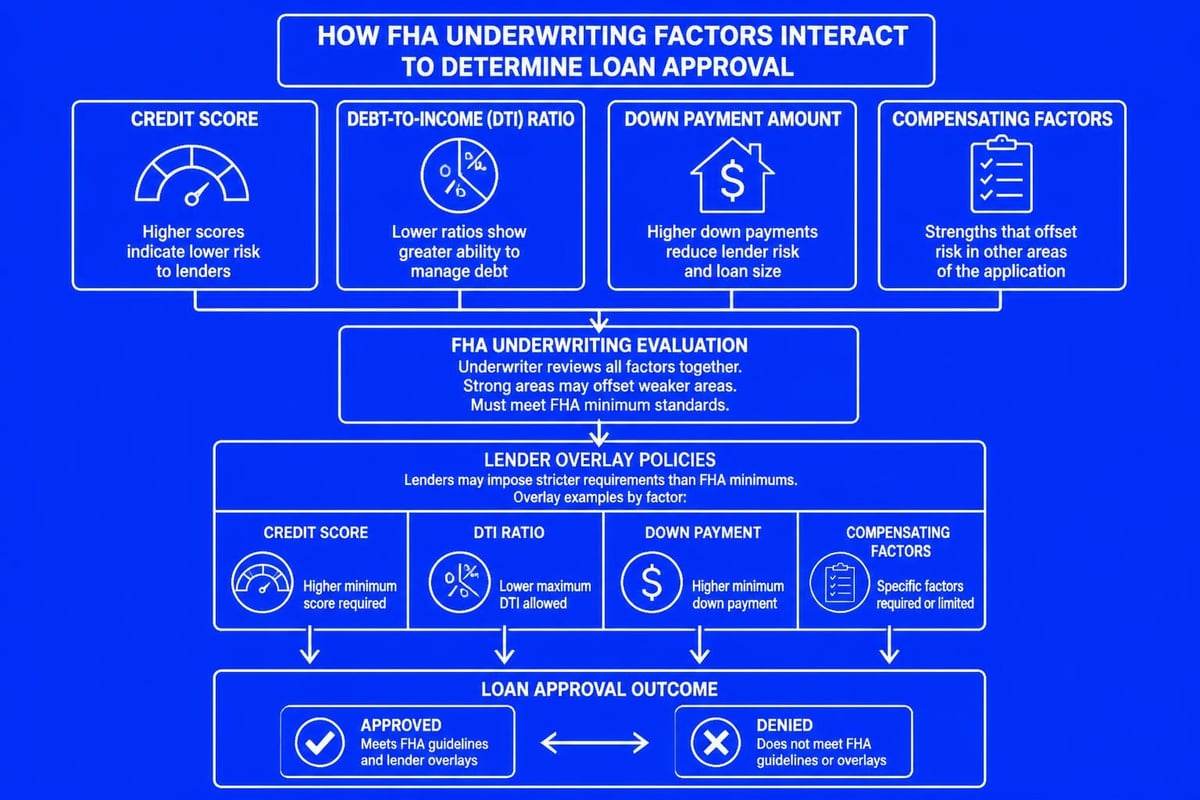
While the FHA sets baseline requirements for loan approval, individual mortgage lenders FHA can impose additional criteria called "overlays." Understanding these overlays helps you select lenders whose standards align with your financial profile.
Credit Score Variations
The FHA technically allows credit scores as low as 500, but most lenders set minimums between 580 and 620. Some lenders in competitive markets like Bellevue and Kirkland may require scores above 640 to qualify for their best pricing.
Common credit-related overlays include:
- Minimum scores higher than FHA baseline (typically 580-620)
- Seasoning periods after bankruptcy or foreclosure beyond FHA requirements
- Restrictions on the number of late payments in the past 12-24 months
- Additional documentation for credit inquiries or new accounts
Borrowers with credit scores between 580 and 620 should specifically ask about lender overlays when shopping for FHA home loans. Some lenders reject these applications outright, while others welcome them with slightly higher rates or fees.
Debt-to-Income Ratio Flexibility
FHA guidelines permit debt-to-income ratios up to 50% with compensating factors, but lenders vary in their willingness to approve loans at this threshold. Conservative lenders may cap DTI at 43-45%, while others utilize automated underwriting systems that approve higher ratios based on credit strength and cash reserves.
For Seattle-area buyers with student loans, car payments, and high living costs, finding mortgage lenders FHA that maximize allowable DTI can determine whether you qualify for your desired purchase price. Tech professionals with substantial income but also significant monthly obligations benefit from lenders who fully leverage FHA's flexibility.
Comparing Rates and Fees Among FHA Lenders
Interest rates and closing costs vary significantly among mortgage lenders FHA, even when quoting the same borrower on the same day. Shopping multiple lenders can save thousands of dollars over your loan's lifetime.
Rate Shopping Strategy
According to research on mortgage lending patterns, borrowers who obtain quotes from at least three lenders secure better terms than those who apply with only one institution. When comparing mortgage lenders FHA, request Loan Estimates within the same 3-5 day period to ensure rate comparisons remain valid.
Critical factors to compare:
- Interest rate (annual percentage rate)
- Lender origination fees and discount points
- Third-party closing costs (appraisal, title, escrow)
- Upfront mortgage insurance premium (1.75% of loan amount)
- Monthly mortgage insurance premium (varies by loan-to-value ratio)
- Rate lock period and extension fees
In Seattle's fast-paced housing market, where properties receive multiple offers quickly, choosing lenders with competitive pricing and reliable closing timelines matters tremendously. Some lenders advertise low rates but charge higher origination fees, while others offer zero-point options with slightly elevated rates.
Understanding FHA Mortgage Insurance
All FHA loans require both an upfront mortgage insurance premium (UFMIP) and annual mortgage insurance premiums (MIP). The UFMIP of 1.75% can be financed into your loan amount, while annual MIP is divided into monthly payments added to your principal and interest.
Current FHA mortgage insurance rates for 2026 range from 0.45% to 1.05% annually depending on your loan-to-value ratio and loan term. Borrowers putting down less than 10% pay MIP for the loan's entire life, while those with 10% or more down payment see MIP removed after 11 years.
These costs don't vary by lender since they're set by HUD, but understanding them helps you calculate your total monthly payment accurately when comparing offers from different mortgage lenders FHA.
Finding and Vetting FHA-Approved Lenders
Locating qualified mortgage lenders FHA in your area requires research beyond basic internet searches. The Department of Housing and Urban Development provides resources to verify lender approval status and track lending performance.
Official HUD Resources
The FHA Connection system allows consumers to verify whether a specific lender maintains active FHA approval. This secure portal provides transparency into which institutions can legally originate FHA-insured mortgages.
Additionally, finding approved lenders involves checking state licensing databases and reviewing complaint histories through the Consumer Financial Protection Bureau and your state's Department of Financial Institutions.
Evaluating Lender Reputation
Beyond FHA approval status, assess lenders based on customer reviews, complaint ratios, and industry recognition. In the Seattle metro area, including Everett and Shoreline, local reputation matters significantly. Lenders with established track records in your specific market understand property types, appraisal challenges, and title complications unique to the region.
Questions to ask potential lenders:
- How many FHA loans did you close in Washington State last year?
- What is your average time from application to closing?
- Do you have overlays beyond standard FHA requirements?
- Can you provide references from recent FHA borrowers?
- What happens if my appraisal comes in low in a competitive market?
- Do you offer construction-to-permanent FHA 203(k) loans for fixer-uppers?
According to data on major FHA lenders, the largest originators process tens of thousands of FHA loans annually, but size doesn't automatically translate to better service or pricing for individual borrowers.
Special Considerations for Seattle-Area Borrowers
Seattle's unique housing market presents specific challenges and opportunities when working with mortgage lenders FHA. High property values, competitive bidding situations, and diverse employment sectors require lenders who understand local dynamics.
Property Value Limits
FHA loan limits for King County increased to $1,209,750 for single-family homes in 2026, accommodating Seattle's elevated property values. However, homes exceeding this amount require jumbo financing instead.
For condominiums, FHA approval of the entire building is necessary before individual units can qualify for FHA financing. Many Seattle condo complexes maintain FHA approval, but verification is essential before making offers. Experienced mortgage lenders FHA maintain updated lists of approved condo projects in Bellevue, Redmond, and downtown Seattle.
Income Documentation for Tech Professionals
Amazon, Microsoft, Google, and other major employers compensate employees through base salary plus restricted stock units, bonuses, and equity grants. Traditional mortgage lenders FHA may struggle to properly qualify this income, potentially underestimating your borrowing power.
Specialized lenders familiar with tech compensation structures can maximize your purchasing power by properly documenting and averaging variable income components. Understanding mortgage financing options specific to your employment situation prevents leaving money on the table.
Competitive Offer Strategies
Seattle's low inventory and high demand create situations where buyers submit offers above asking price with minimal contingencies. Working with mortgage lenders FHA who provide fast pre-approvals, communicate proactively with listing agents, and close on aggressive timelines can mean the difference between winning and losing your desired home.
Some lenders offer appraisal gap coverage strategies, escalation clause guidance, and direct agent-to-underwriter communication to strengthen your position in multiple offer scenarios common throughout King County.
Alternative FHA Loan Programs Worth Exploring
Beyond standard FHA purchase loans, mortgage lenders FHA offer specialized programs that address unique situations. Understanding these options expands your strategic alternatives when planning your home purchase or renovation.
FHA 203(k) Rehabilitation Loans
This program combines purchase financing with renovation costs into a single mortgage. Borrowers can buy properties needing repairs and finance improvements up to the FHA loan limit. For Mill Creek or Lynnwood homes requiring updates, 203(k) loans provide accessible financing when conventional renovation loans prove difficult to obtain.
Not all mortgage lenders FHA offer 203(k) loans due to their complexity. Finding experienced 203(k) lenders requires specific inquiry about this program during your initial consultations.
FHA Energy Efficient Mortgage (EEM)
The EEM program allows borrowers to finance energy improvements up to 5% of the property's value or $8,000, whichever is greater. For older Seattle homes with single-pane windows, inadequate insulation, or outdated HVAC systems, this program provides cost-effective financing for efficiency upgrades.
FHA Streamline Refinance
Current FHA borrowers can refinance to lower rates through the streamlined process, which requires minimal documentation and no appraisal in most cases. This program provides fast, low-cost refinancing when rates drop, making it valuable to understand even when initially purchasing with an FHA loan.
Red Flags When Selecting FHA Lenders
While most mortgage lenders FHA operate ethically and professionally, awareness of warning signs protects you from predatory practices or incompetent service.
Avoid lenders who:
- Pressure you to borrow more than you're comfortable repaying
- Refuse to provide Loan Estimates in writing within three business days
- Quote rates dramatically lower than competitors without clear explanation
- Cannot explain their fees or seem evasive about costs
- Discourage you from shopping other lenders
- Make approval guarantees before reviewing your documentation
- Suggest misrepresenting information on your application
Research indicates systemic biases can affect mortgage lending, making it crucial to work with lenders committed to fair, equitable practices. In Seattle's diverse housing market, choosing mortgage lenders FHA who serve all qualified borrowers regardless of background ensures you receive treatment based solely on your creditworthiness.
Technology and Communication Expectations
Modern mortgage lenders FHA leverage technology to streamline applications, document collection, and status updates. Your experience should include convenient digital tools balanced with accessible human support when questions arise.
Digital Application Platforms
Expect secure online portals where you upload tax returns, pay stubs, bank statements, and identification documents. Quality lenders encrypt sensitive information and provide mobile apps for convenient access throughout the loan process.
However, technology should enhance, not replace, personal communication. The best mortgage lenders FHA combine efficient digital workflows with responsive loan officers who answer questions promptly and explain complex situations clearly.
Timeline Transparency
Your lender should provide realistic timelines and proactive updates when situations change. From initial application through closing, you deserve to know where your loan stands in the process and what tasks require your attention.
In competitive Seattle markets where sellers prefer quick closes, working with mortgage lenders FHA who consistently meet their estimated timelines protects your earnest money and prevents deal failures due to financing delays.
| Process Stage | Typical Timeline | Borrower Action Required |
|---|---|---|
| Pre-approval | 1-3 days | Submit financial documents |
| Property search | Varies | Find home, make offer |
| Full application | 1 day | Complete detailed application |
| Processing | 7-14 days | Provide additional documentation |
| Underwriting | 5-10 days | Address conditions |
| Clear to close | 2-3 days | Final walkthrough, wire funds |
| Closing | 1 day | Sign documents, receive keys |
Long-Term Relationships Beyond Your First Loan
Selecting mortgage lenders FHA shouldn't focus solely on your immediate transaction. The right lender becomes a resource for future refinancing, home equity products, and purchase loans as your housing needs evolve.
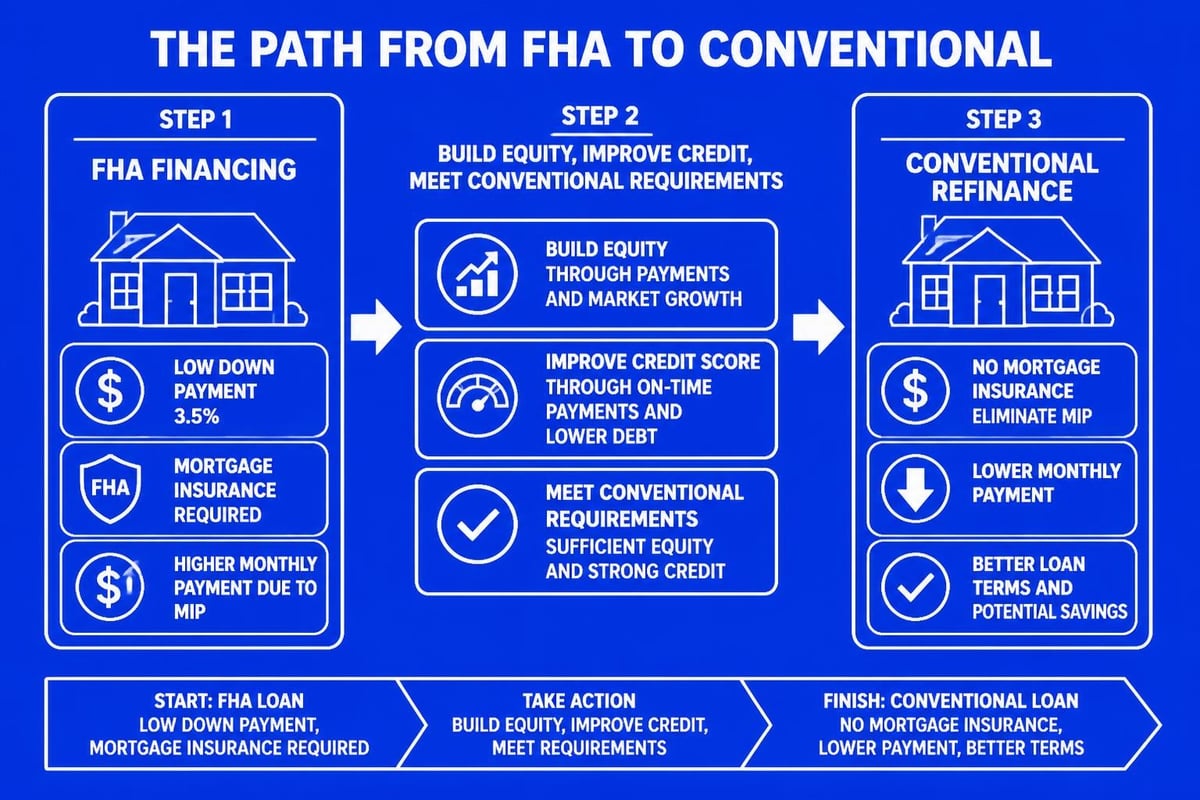
Many borrowers start with FHA financing due to limited down payment funds or rebuilding credit, then refinance to conventional loans once they build equity and improve their financial position. Lenders who support this progression provide value beyond your initial purchase.
For Seattle professionals whose incomes grow substantially through career advancement and equity compensation, maintaining relationships with knowledgeable lenders facilitates strategic refinancing decisions and future property acquisitions. Exploring various mortgage types as your situation changes ensures you always carry the most advantageous financing for your circumstances.
Strategic Timing for FHA Applications
When you apply for FHA financing affects your rate, available inventory, and competition from other buyers. Understanding seasonal patterns and rate cycles helps you time your mortgage lenders FHA search strategically.
Seasonal Market Considerations
Seattle's housing market typically sees increased activity from March through August, with peak competition in May and June. While more inventory appears during these months, multiple offers become common, potentially forcing you into bidding wars.
Applying for FHA pre-approval during slower months (November through February) positions you to act quickly when motivated sellers list properties with less competition. Mortgage lenders FHA can process applications thoroughly during slower periods without the urgency that accompanies spring market rushes.
Interest Rate Monitoring
FHA rates generally track broader mortgage rate trends influenced by Federal Reserve policy, inflation data, and economic indicators. While timing the absolute bottom of rate cycles proves nearly impossible, avoiding applications during known rate spike periods protects your purchasing power.
Working with lenders who offer extended rate locks (60-90 days) provides protection if you're searching in competitive markets where finding and closing on properties takes time. Some mortgage lenders FHA charge fees for locks beyond 30 days, so understanding these costs helps you budget appropriately.
Documentation Requirements Across Different Lenders
While FHA establishes baseline documentation standards, mortgage lenders FHA vary in their specific requirements and acceptable alternatives. Understanding common requests prepares you for efficient application processing.
Standard Documentation Package
Income verification:
- Two years of W-2 forms
- 30 days of recent pay stubs
- Two years of tax returns (if self-employed or claiming rental income)
- Profit and loss statements for business owners
Asset verification:
- Two months of bank statements for all accounts
- Documentation for large deposits (gift letters, explanation letters)
- Retirement account statements if using for reserves
- Investment account statements
Credit and identity:
- Government-issued photo identification
- Social Security card or verification
- Authorization for credit report pulls
- Explanation letters for derogatory credit items
Tech professionals with RSU income should prepare additional documentation showing vesting schedules and historical grant information. Mortgage lenders FHA experienced with equity compensation understand how to properly calculate and document these income sources for underwriting purposes.
Making Your Final Lender Selection
After researching options, obtaining quotes, and evaluating mortgage lenders FHA based on rates, fees, reputation, and service quality, making your final selection requires weighing multiple factors simultaneously.
Creating Your Comparison Matrix
Document quotes from each lender in a standardized format that allows direct comparison. Beyond interest rates and fees, consider intangible factors like communication quality, responsiveness, and your comfort level with each loan officer.
Decision criteria to weight:
- Total loan costs (rate + fees over expected holding period)
- Closing timeline and ability to meet your target date
- Lender reputation and review scores
- Loan officer expertise and communication style
- Overlay policies that affect your specific situation
- Technology platform and convenience
- Post-closing support and refinance options
For complex financial situations common among Seattle tech workers, prioritize expertise with your income type over minimal rate differences. A lender who properly qualifies your stock compensation might secure approval where others cannot, making rate comparison irrelevant if only one lender can actually close your loan.
Trust Your Instincts
Professional expertise matters tremendously, but so does your gut feeling about working with specific individuals. Mortgage lenders FHA you trust to communicate honestly, advocate for your interests, and guide you through challenges provide value beyond the numbers on your Loan Estimate.
If a lender seems evasive, pushy, or dismissive of your questions, those warning signs typically indicate problems ahead. Your home purchase represents one of your largest financial commitments-working with professionals who respect that importance ensures better outcomes.
Selecting the right mortgage lenders FHA requires balancing competitive rates with service quality, local market expertise, and alignment with your specific financial profile. Whether you're purchasing your first home in Seattle or refinancing an existing FHA loan in Kirkland, understanding lender differences empowers confident decisions that support your long-term financial goals. Keith Akada and Mortgage Reel bring 25+ years of experience helping Pacific Northwest homebuyers navigate FHA financing with transparency, strategy, and execution-from initial pre-approval through closing and beyond. With 750+ five-star reviews and specialized expertise qualifying complex tech compensation, Keith provides the guidance you need to make confident mortgage decisions in competitive markets.