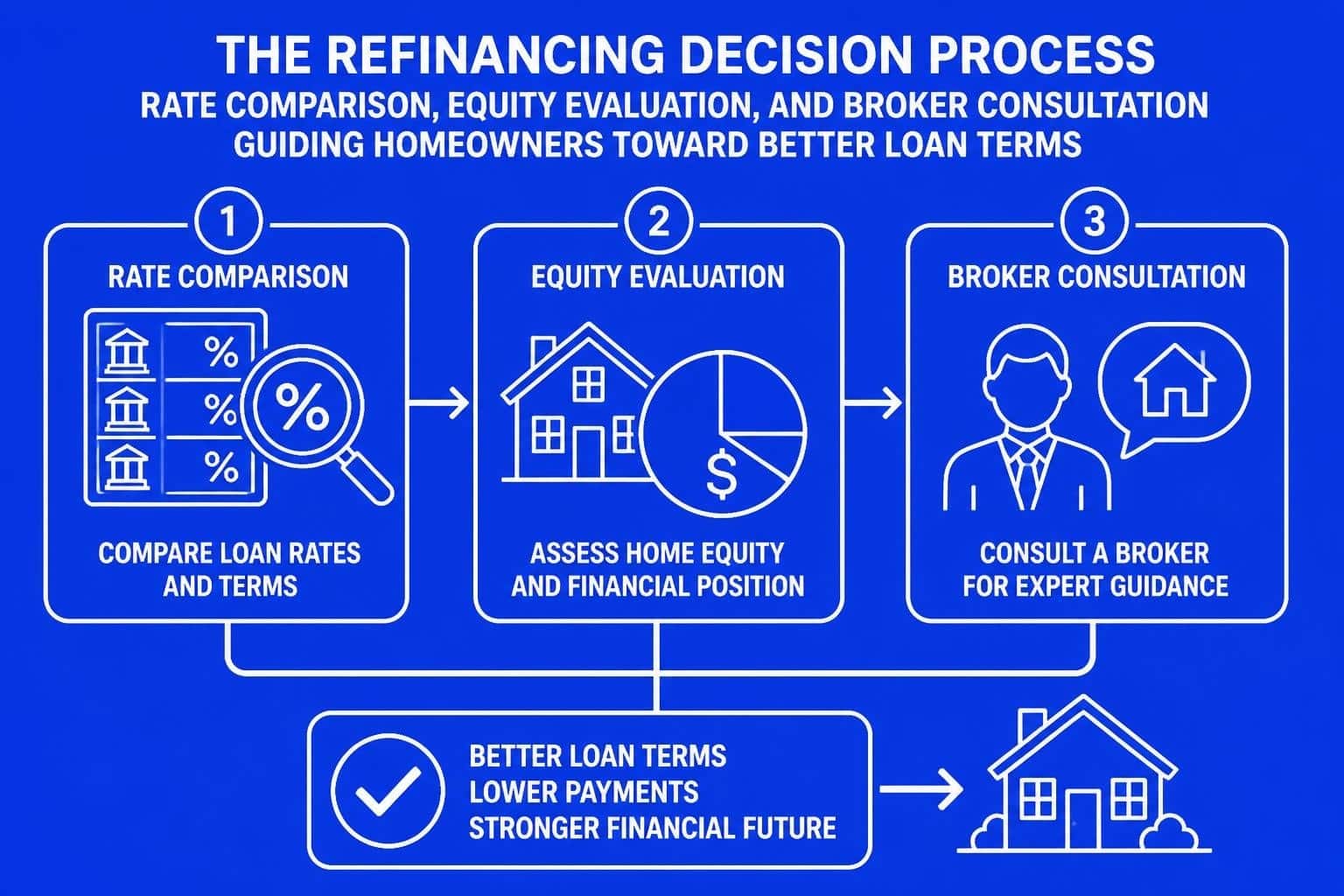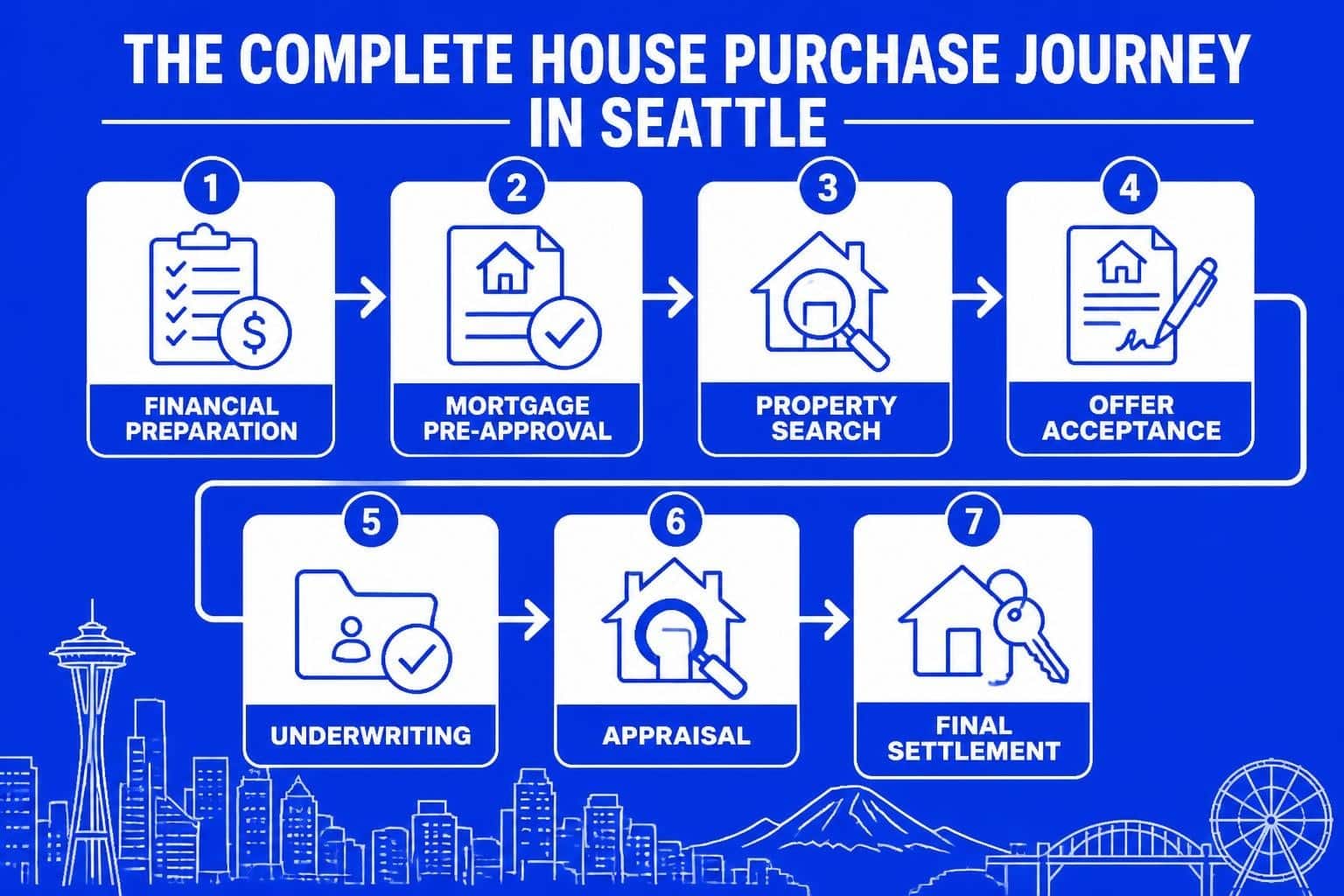

Homeowners across Seattle, Bellevue, and Redmond are actively exploring refinancing opportunities as market conditions continue to shift in 2026. Whether you're seeking to lower your monthly payment, access home equity for renovations, or transition from an adjustable-rate mortgage to a fixed-rate loan, understanding how to secure the best home loan refinance rates requires strategic planning and market knowledge. For tech professionals working at Amazon, Microsoft, and Google, refinancing decisions often intersect with stock compensation timing and jumbo loan considerations unique to the Greater Seattle area's competitive housing market.
Understanding Current Refinance Rate Landscape
The refinance market in 2026 presents distinct opportunities for homeowners who purchased during the higher-rate environment of recent years. Current refinance rates vary significantly based on loan type, credit profile, and property location.
Rate Variations by Loan Program
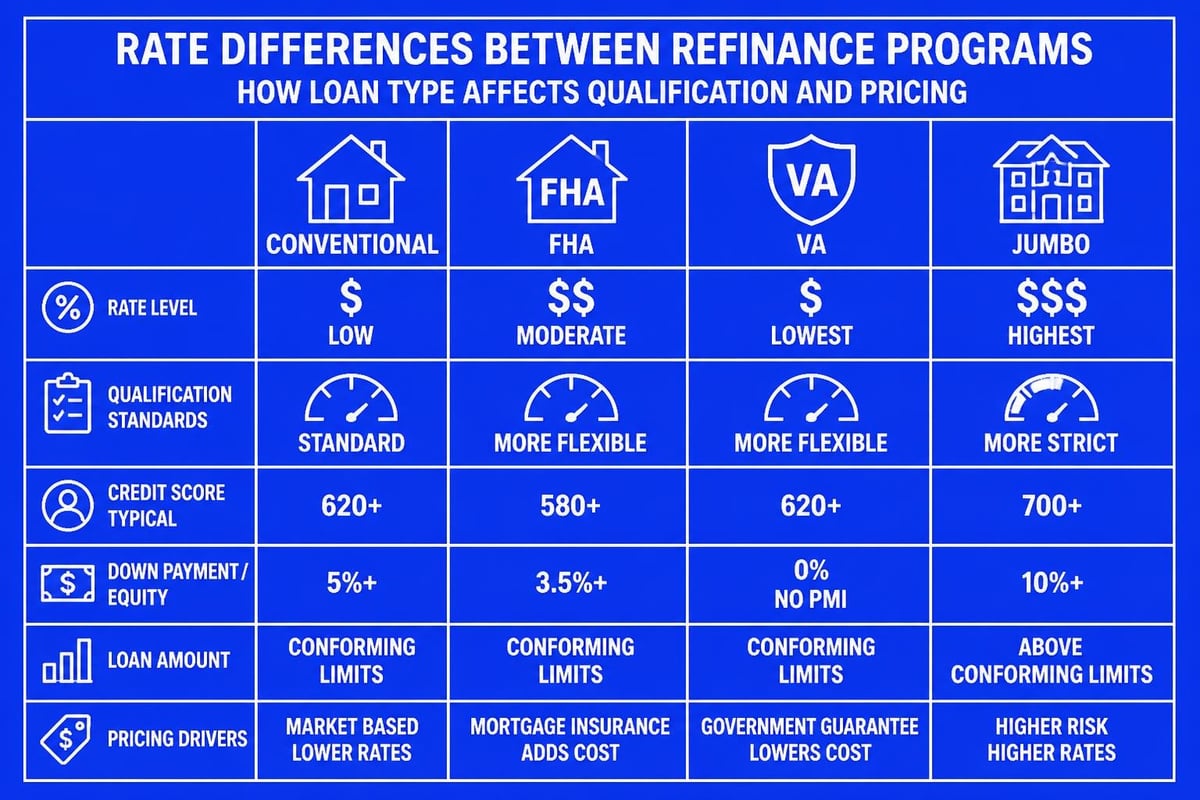
Different refinance programs offer varying rate structures and qualification requirements:
- Conventional refinance: Typically offers the most competitive rates for borrowers with strong credit and equity
- FHA streamline refinance: Provides simplified documentation for existing FHA borrowers
- VA IRRRL (Interest Rate Reduction Refinance Loan): Delivers no-appraisal options for veterans
- Jumbo refinance: Features specialized pricing for loan amounts exceeding conforming limits
According to current mortgage refinance rates from LendingTree, 30-year fixed-rate refinances remain the most popular choice, while 15-year terms attract homeowners prioritizing faster equity building and long-term interest savings.
Market Factors Influencing Rates
Several economic indicators directly impact the best home loan refinance rates available to Seattle-area homeowners. Federal Reserve policy decisions, inflation trends, and housing market conditions all contribute to daily rate fluctuations.
In competitive markets like Kirkland and Bellevue, property values remain elevated, which affects loan-to-value ratios and consequently available rates. Homeowners with significant equity positions typically qualify for better pricing than those with minimal equity cushions.
Qualifying for the Best Home Loan Refinance Rates
Securing optimal pricing requires meeting specific financial benchmarks and preparing documentation that demonstrates creditworthiness.
Credit Score Requirements
| Credit Score Range | Expected Rate Impact | Loan Options |
|---|---|---|
| 760+ | Best available rates | All programs |
| 700-759 | Slight premium (0.125%-0.25%) | Most programs |
| 660-699 | Moderate premium (0.25%-0.50%) | Conventional, FHA |
| 620-659 | Higher premium (0.50%-1.00%) | FHA, some conventional |
For jumbo home loans in Seattle's high-value neighborhoods, lenders typically require credit scores of 700 or higher to access competitive pricing. Tech professionals often maintain strong credit profiles, positioning them favorably for premium rate tiers.
Debt-to-Income Considerations
Lenders evaluate your total monthly debt obligations against gross income when determining rate eligibility. Conventional refinances generally cap debt-to-income ratios at 45-50%, though exceptions exist for borrowers with compensating factors.
Key income documentation for tech professionals includes:
- Base salary verification through W-2s and paystubs
- RSU (Restricted Stock Unit) vesting schedules and stock compensation history
- Bonus income averaging over two years
- Annual performance-based compensation projections
Working with experienced mortgage financing professionals familiar with Seattle's tech industry proves invaluable when qualifying complex compensation structures that include equity awards and variable bonuses.
Loan-to-Value Impact on Pricing
Your refinance rate directly correlates with the equity position in your home. As outlined in Fortune’s refinance mortgage rates analysis, borrowers maintaining 20% or greater equity access the most favorable pricing tiers.
Properties in Shoreline, Lynnwood, and Lake Forest Park have experienced varying appreciation rates, affecting individual refinance scenarios differently. Homeowners who purchased during market peaks may find limited equity available, potentially requiring private mortgage insurance that increases effective borrowing costs.
Types of Refinance Programs Available
Seattle homeowners have multiple refinance pathways, each designed for specific financial objectives and circumstances.
Rate-and-Term Refinance
This traditional refinance approach focuses solely on modifying interest rate or loan duration without extracting equity. Homeowners pursuing lower monthly payments or accelerated payoff timelines typically select rate-and-term refinances.
Benefits include:
- Lower interest costs over loan lifetime
- Reduced monthly payment obligations
- Transition from adjustable to fixed-rate stability
- Elimination of mortgage insurance with sufficient equity
Cash-Out Refinance Options
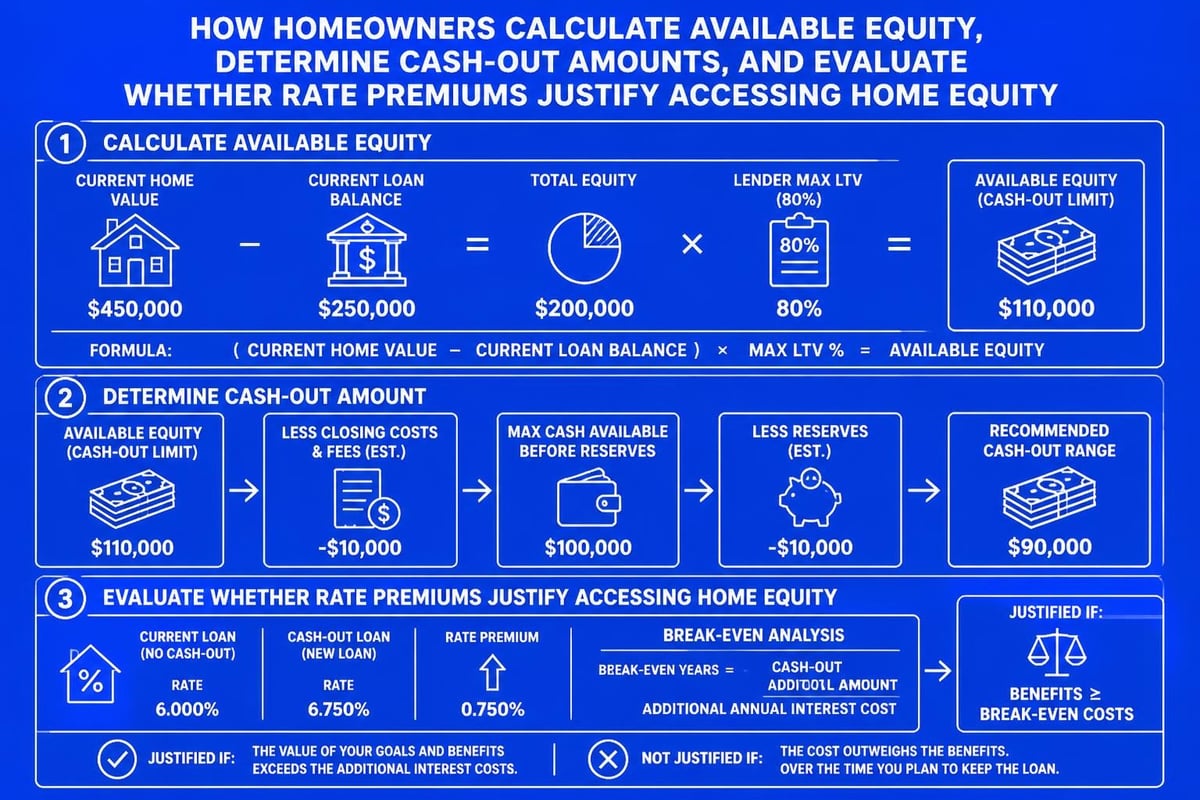
Homeowners seeking to access accumulated equity for home improvements, debt consolidation, or investment opportunities explore cash-out refinancing. According to Mortgage-Info.com’s cash-out refinance comparison, borrowers can typically extract up to 80% of current property value, though rates carry slight premiums compared to rate-and-term products.
Mill Creek and Everett homeowners frequently utilize cash-out refinances for property renovations that further increase home values in appreciation-focused neighborhoods.
Streamline Refinance Programs
Government-backed loan holders benefit from simplified refinance processes that reduce documentation burdens and expedite closings:
- FHA Streamline: No appraisal or income verification required for qualifying borrowers
- VA IRRRL: Minimal documentation for service members and veterans
- USDA Streamline Assist: Simplified process for rural property refinances
These programs prioritize quick processing and reduced costs, though they're restricted to existing borrowers within the same loan program.
Comparing Lenders and Rate Offerings
The best home loan refinance rates vary significantly across lending institutions, making comprehensive comparison essential for maximizing savings.
National Banks vs. Regional Lenders
| Lender Type | Rate Competitiveness | Service Level | Underwriting Flexibility |
|---|---|---|---|
| National Banks | Moderate | Variable | Limited |
| Regional Banks | Moderate-High | Good | Moderate |
| Credit Unions | High | Excellent | Moderate-High |
| Mortgage Brokers | Highest | Personalized | Highest |
Working with good mortgage brokers provides access to multiple lenders simultaneously, enabling true rate comparison without repetitive application processes. This approach proves particularly valuable for complex income scenarios common among Seattle's tech workforce.
Rate Lock Strategies
Once you've identified competitive pricing, protecting that rate through the closing process becomes critical. Rate locks typically extend 30-60 days, with longer periods carrying slight cost premiums.
Strategic considerations include:
- Lock immediately when rates align with your targets
- Consider float-down options if rates appear volatile
- Extend locks cautiously, as extensions carry fees
- Coordinate timing with employment changes or bonus payouts
Market volatility in 2026 makes rate lock timing more consequential than in stable periods. Resources like Refi.com’s refinance rates comparison help track daily fluctuations and identify optimal locking opportunities.
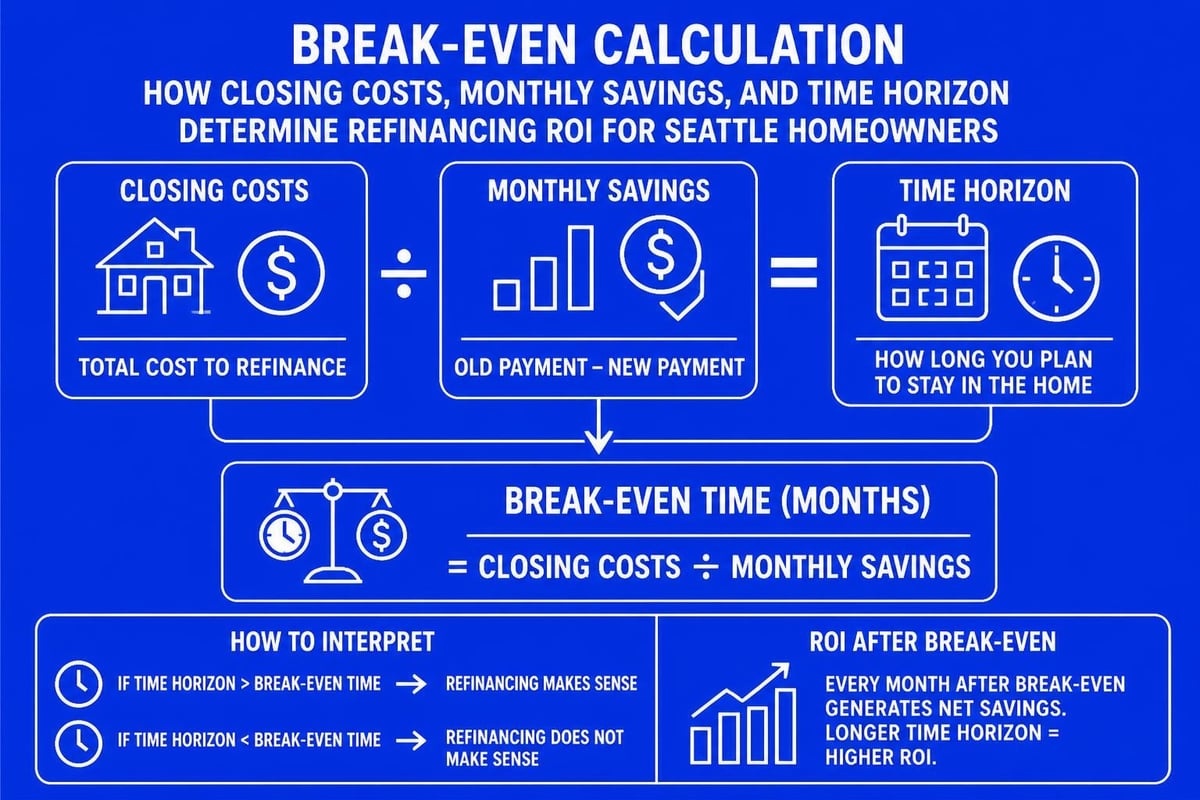
Calculating Your Refinance Break-Even Point
Understanding when refinancing costs are recouped through monthly savings determines whether pursuing the best home loan refinance rates makes financial sense for your situation.
Cost Components to Consider
Refinancing involves multiple expense categories that collectively determine total investment:
- Origination fees (typically 0.5%-1% of loan amount)
- Third-party costs including appraisal, title, and escrow
- Prepaid items such as property taxes and insurance
- Recording fees and government charges
- Potential prepayment penalties on existing loans
Seattle-area refinances on a $600,000 loan typically incur $4,000-$8,000 in total closing costs, though actual expenses vary based on property characteristics and lender fee structures.
Monthly Savings Calculation
Breaking even on refinance costs requires dividing total closing expenses by monthly payment reduction. For example, if refinancing costs $6,000 and reduces monthly payments by $300, the break-even point occurs at 20 months.
Formula: Break-Even Months = Total Closing Costs ÷ Monthly Savings
Homeowners planning to remain in their Redmond or Bellevue properties for three or more years typically find refinancing financially beneficial when securing rate reductions of 0.50% or greater.
Special Considerations for Seattle Tech Professionals
Amazon, Microsoft, and Google employees face unique refinancing considerations related to equity compensation and fluctuating income streams.
RSU and Stock Compensation Qualification
Lenders evaluate restricted stock units and equity awards differently than base salary. Demonstrating consistent vesting history and projected future grants requires specialized documentation and lender expertise.
Documentation requirements typically include:
- Two years of vesting history showing consistent patterns
- Current grant schedules with vesting dates
- Employer verification of ongoing equity programs
- Tax returns reflecting RSU income recognition
Underwriters generally average RSU income over 24 months, potentially limiting refinance loan amounts for recently promoted employees with accelerated future vesting. Working with lenders experienced in tech compensation structures ensures accurate qualification and maximum borrowing capacity.
Jumbo Loan Refinancing Nuances
Properties exceeding conforming loan limits ($766,550 in most Seattle-area counties for 2026) require jumbo financing with distinct qualification standards. According to data from MortgageCo’s refinance rates, jumbo refinances demand higher credit scores and larger cash reserves while offering competitive rates for well-qualified borrowers.
Reserve requirements for jumbo refinances typically equal 6-12 months of housing payments, though tech professionals with substantial equity portfolios and retirement accounts easily satisfy these thresholds.
Timing Your Refinance Application
Market conditions, personal circumstances, and seasonal factors all influence optimal refinancing timing.
Seasonal Rate Patterns
Mortgage rates historically demonstrate seasonal variations, with slight dips during slower winter months and upticks during competitive spring buying seasons. However, broader economic trends typically overshadow seasonal patterns.
Monitoring resources like Andes Mortgage’s current refinance rates provides real-time market intelligence for timing application submission when rates align with your savings targets.
Personal Timing Considerations
Beyond market rates, personal factors significantly impact refinancing success:
- Stable employment history (minimum two years preferred)
- Recent credit score improvements or debt payoffs
- Completed home improvements increasing property value
- Upcoming life changes affecting housing needs or income
Lynnwood and Mill Creek homeowners planning relocations within 18-24 months may find refinancing costs difficult to recoup before selling, making rate analysis alone insufficient for decision-making.
Application Process Timeline
Understanding realistic timeframes helps coordinate refinancing around personal schedules and rate lock periods:
- Pre-application preparation (1-2 weeks): Gather documentation, review credit, select lenders
- Application and initial review (3-5 days): Submit application, initial underwriting assessment
- Appraisal and verification (1-2 weeks): Property appraisal, employment and asset verification
- Final underwriting (3-7 days): Conditional approval, addressing outstanding requirements
- Clear to close and funding (2-3 days): Final review, signing, loan funding
Experienced lenders like those offering home lending loans in Seattle can compress timelines significantly when necessary, particularly for streamline refinances with minimal documentation requirements.
Avoiding Common Refinancing Mistakes
Even with access to the best home loan refinance rates, strategic errors can undermine potential savings.
Overlooking Total Cost of Borrowing
Focusing exclusively on monthly payment reductions without considering extended loan terms can actually increase total interest paid over time. Refinancing a 25-year remaining balance into a new 30-year loan reduces monthly obligations but extends the repayment period significantly.
Better approaches include:
- Maintain similar remaining term lengths when refinancing
- Consider 15-year terms if budget accommodates higher payments
- Make additional principal payments to accelerate payoff
- Calculate total interest across entire loan lifecycle
Neglecting Closing Cost Negotiation
Many borrowers accept initial fee estimates without questioning individual charges. Comparing detailed loan estimates from multiple lenders reveals opportunities to negotiate origination fees, reduce third-party costs, and eliminate unnecessary charges.
The mortgage lenders you select should provide transparent, itemized fee breakdowns enabling meaningful comparison beyond advertised rates alone.
Misunderstanding Rate vs. APR
The annual percentage rate (APR) reflects total borrowing costs including fees, while the interest rate represents only the periodic charge on principal. Loans with identical rates but different fee structures show different APRs, making APR comparison essential for identifying true value.
Seattle homeowners evaluating multiple offers should prioritize APR when holding periods exceed break-even timelines, but focus on out-of-pocket costs for shorter ownership plans.
Documentation Requirements for Smooth Processing
Proper preparation accelerates underwriting and prevents frustrating delays during rate lock periods.
Standard Documentation Checklist
All refinance applicants should prepare the following:
- Two years of complete tax returns with all schedules
- Recent paystubs covering 30-day period
- Two months of bank statements for all accounts
- Current mortgage statement showing payment history
- Homeowners insurance policy declarations
- Government-issued photo identification
Additional Tech Professional Documentation
Amazon, Microsoft, and Google employees supplementing base salary with equity compensation require expanded documentation:
- RSU vesting schedules from employer HR systems
- Brokerage statements showing stock sales and holdings
- Form 1099-B documenting stock transactions
- Employer verification letters detailing compensation structure
- Bonus history and projected future awards
Self-Employed Borrower Requirements
Business owners and independent contractors face heightened scrutiny requiring:
- Two years of business tax returns (1065, 1120, or 1120S)
- Personal tax returns with Schedule C if applicable
- Year-to-date profit and loss statements
- Business bank account statements
- CPA-prepared financial statements for larger businesses
Kirkland and Shoreline entrepreneurs often find working with experienced mortgage broker professionals simplifies navigating complex self-employment documentation requirements.
Impact of Property Characteristics on Rates
Your home's features and location influence available refinance rates beyond personal financial qualifications.
Property Type Considerations
| Property Type | Rate Impact | Additional Requirements |
|---|---|---|
| Single-family primary | Baseline rates | Standard documentation |
| Condo | +0.125%-0.25% | HOA documentation, project approval |
| Multi-unit (2-4 units) | +0.25%-0.50% | Rental income verification |
| Investment property | +0.50%-0.75% | Higher reserves, LTV restrictions |
Everett and Lake Forest Park condominium owners should verify their projects maintain lender approval status, as non-warrantable condos face significant rate premiums or outright disqualification from certain programs.
Location-Specific Considerations
Seattle's diverse neighborhoods present varying refinance dynamics. High-value Bellevue and Redmond properties frequently require jumbo financing, while more affordable Mill Creek and Lynnwood areas typically fall within conforming limits, accessing broader lender competition and potentially better pricing.
Appraisal challenges can arise in neighborhoods with limited recent sales activity, potentially affecting loan-to-value calculations and rate eligibility.
Refinance Alternatives Worth Considering
Before committing to a full refinance, evaluate whether alternative strategies might achieve similar objectives with lower costs.
Loan Modification Programs
Borrowers experiencing financial hardship may qualify for loan modifications that adjust rates or terms without full refinancing. These programs typically involve reduced documentation and minimal fees compared to traditional refinances.
Recasting Your Existing Mortgage
Mortgage recasting involves making a lump-sum principal payment and requesting your lender recalculate monthly payments based on the reduced balance. This approach maintains your existing rate while lowering monthly obligations, costing only a few hundred dollars in administrative fees.
Tech professionals receiving substantial RSU vesting events or annual bonuses might find recasting attractive for reducing payments without refinance closing costs.
HELOC or Home Equity Loan
Homeowners seeking cash for specific projects without disturbing favorable existing first mortgage rates might consider home equity lines of credit or second mortgages. These products access equity while preserving low primary mortgage rates secured during previous favorable rate environments.
According to analysis from Mortgage-Info.com’s April 2026 refinance rates comparison, this strategy makes particular sense when existing first mortgage rates fall significantly below current refinance offerings.
Questions to Ask Potential Lenders
Selecting the right lending partner requires asking targeted questions that reveal true expertise and value proposition.
Rate and Fee Transparency
- What is the interest rate, and what factors could cause it to change before closing?
- What is the APR, and how does it compare to the interest rate?
- Which fees are negotiable, and where do you have flexibility?
- Do you charge discount points, and what rate reduction do they provide?
- What happens if rates drop after I lock?
Process and Timeline Clarity
- What is your average time from application to closing?
- How many refinances have you closed in Seattle during the past year?
- What percentage of your applications receive final approval?
- How do you handle appraisal challenges or value disputes?
- What communication cadence should I expect throughout the process?
Specialized Expertise
For tech professionals, confirming lender experience with equity compensation proves essential:
- How many tech employee refinances have you completed?
- How do you calculate qualifying income from RSUs?
- What documentation do you require for stock compensation?
- Have you worked with borrowers from my specific employer?
- Can you provide references from similar client situations?
Finding the best home loan refinance rates requires comprehensive market analysis, strategic timing, and proper qualification preparation. Seattle-area homeowners benefit from partnering with experienced professionals who understand both local market dynamics and complex compensation structures common among tech industry employees. Keith Akada brings over 25 years of mortgage expertise to homeowners across Seattle, Bellevue, Redmond, Kirkland, and surrounding communities, specializing in qualifying RSU and stock compensation for jumbo refinances with closings possible in as few as 9 business days. Explore your refinance options and discover potential savings with Mortgage Reel.