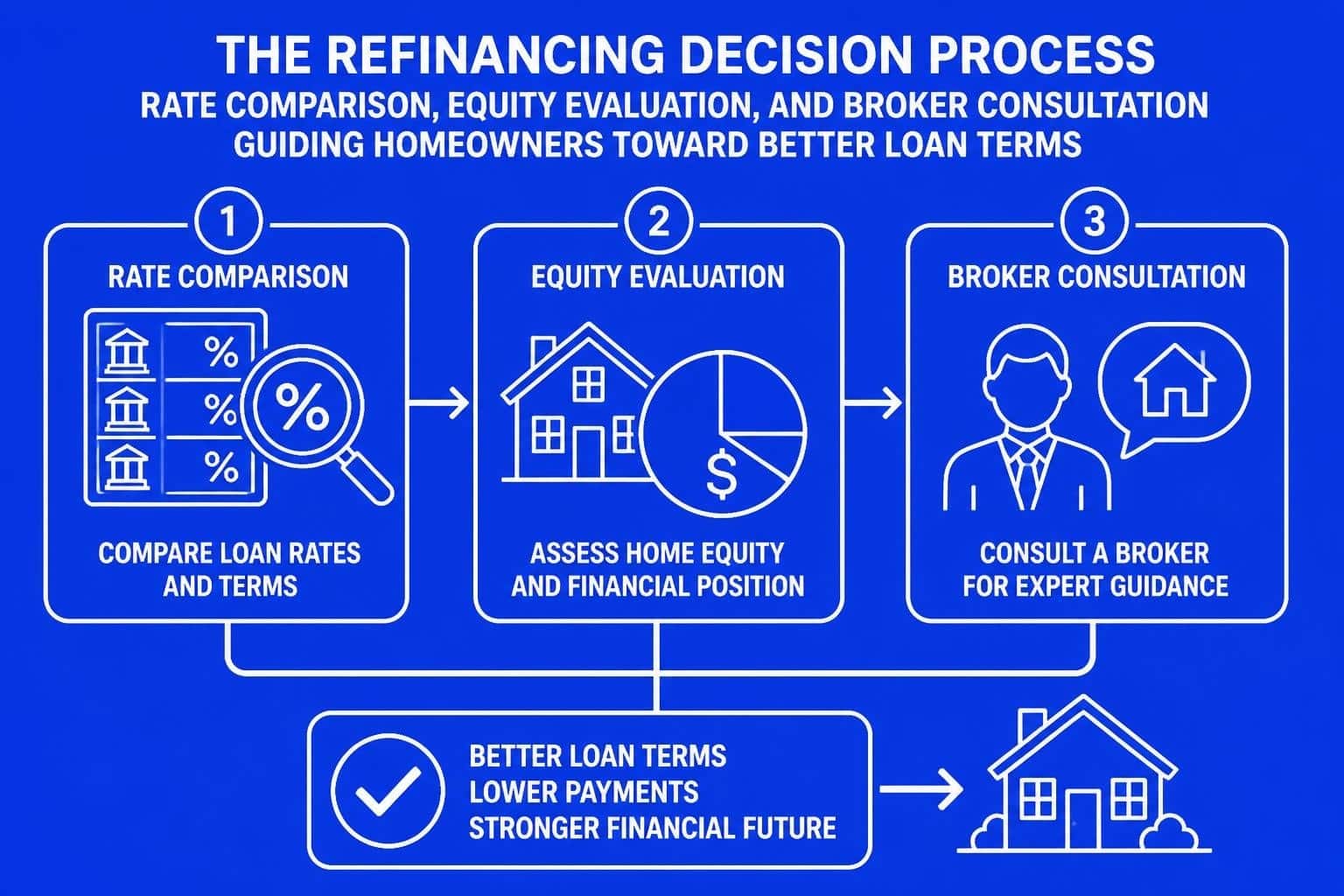
Navigating a house purchase requires careful planning, financial preparation, and expert guidance, particularly in competitive markets like Seattle, Bellevue, and Redmond. Whether you're a first-time buyer or an experienced investor, understanding the complete process from mortgage pre-approval through closing gives you a significant advantage. For tech professionals with complex compensation packages including RSUs and stock options, strategic mortgage planning becomes even more critical to maximizing purchasing power and securing favorable terms.
Understanding the House Purchase Timeline
The typical house purchase timeline spans 30 to 60 days from offer acceptance to closing, though this varies based on market conditions, financing complexity, and property type. Seattle's competitive environment often requires buyers to move quickly while maintaining thoroughness in due diligence.
Understanding how long the process takes helps you plan effectively and set realistic expectations. Pre-approval represents the critical first step, typically completed in 24 to 48 hours when you work with an experienced broker who understands local market demands.
Key Phases of the Purchase Process
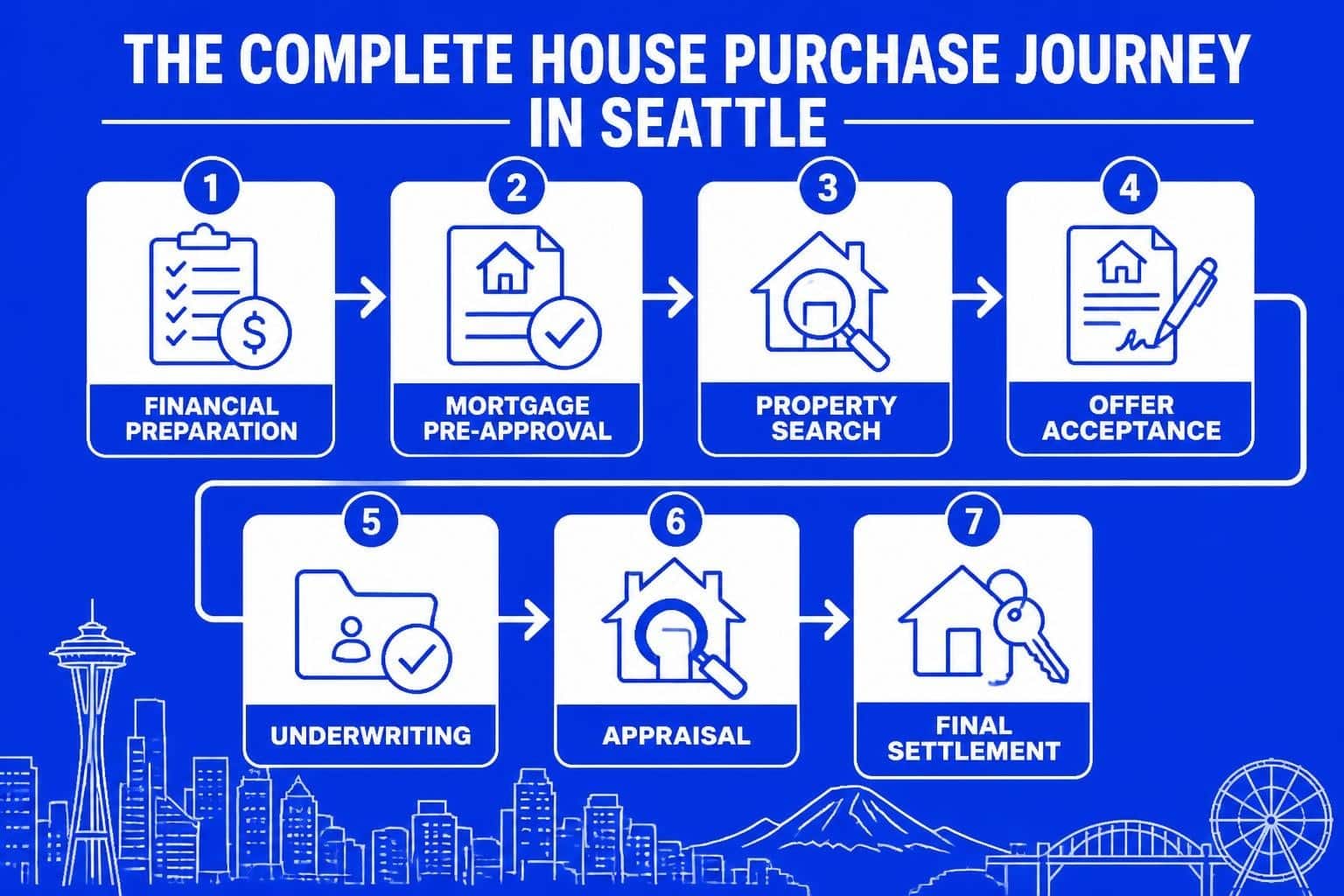
The house purchase journey breaks down into distinct phases, each with specific milestones and requirements:
- Financial preparation and pre-approval (1-2 weeks before house hunting)
- Property search and offer submission (varies by market availability)
- Offer acceptance and earnest money deposit (immediate)
- Home inspection and appraisal (7-10 days)
- Underwriting and final loan approval (15-25 days)
- Final walkthrough and closing (1-2 days)
For buyers in Shoreline and Lynnwood, working with a mortgage broker who can expedite underwriting becomes essential when competing against cash offers or buyers with conventional financing from larger institutions.
Financial Preparation for Your House Purchase
Strong financial preparation separates successful buyers from those who face delays or disappointment. Your debt-to-income ratio, credit score, and available funds for down payment directly impact loan approval and interest rates.
Essential Documentation Requirements
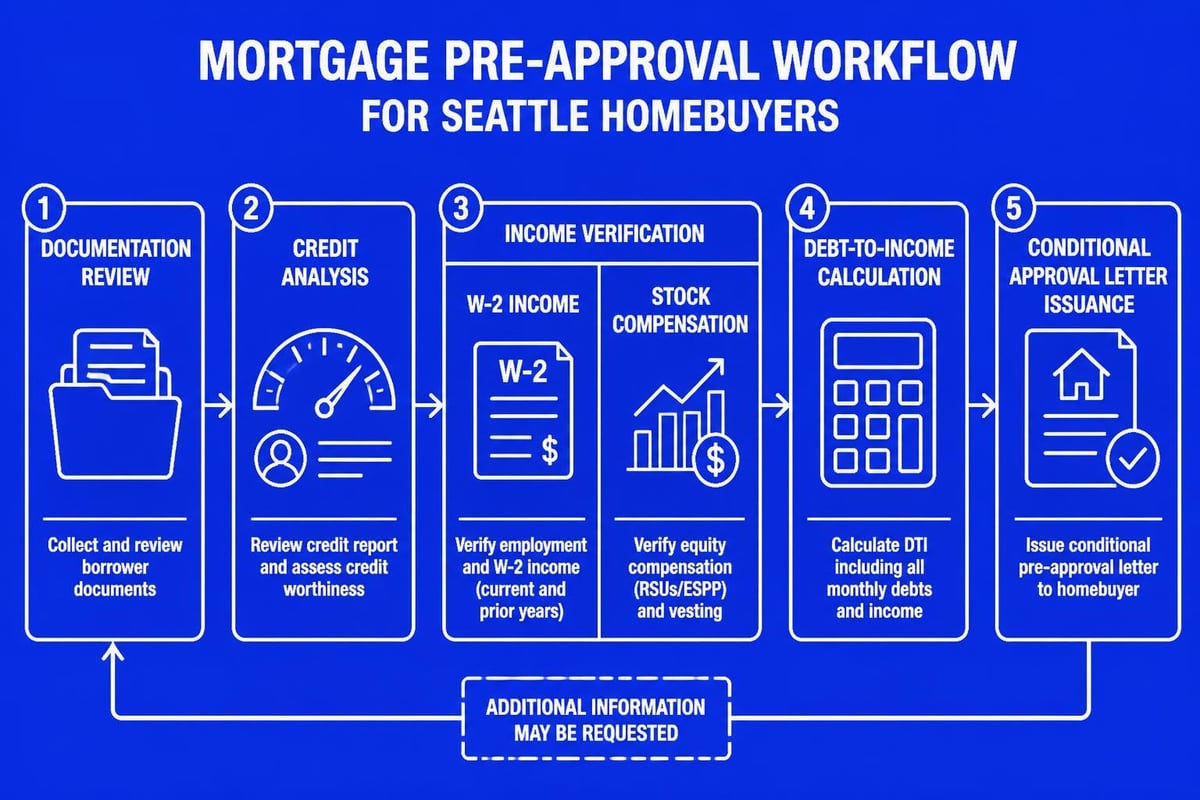
Mortgage lenders require comprehensive documentation to verify your financial capacity. Tech professionals in Seattle often need additional paperwork to document equity compensation:
- Income verification: Two years of tax returns, recent pay stubs, W-2 forms
- Stock compensation: RSU vesting schedules, stock option agreements, brokerage statements
- Employment verification: Direct employer confirmation, offer letters for job changes
- Asset documentation: Bank statements (60 days), retirement account statements
- Credit authorization: Permission for hard credit inquiry and ongoing monitoring
- Identification: Government-issued photo ID, Social Security card
Gathering these documents early accelerates the pre-approval process and positions you to act quickly when you find the right property in competitive neighborhoods throughout Lake Forest Park and Mill Creek.
| Document Type | Purpose | Typical Requirement |
|---|---|---|
| Pay Stubs | Income verification | Most recent 30 days |
| Tax Returns | Income history | 2 years complete |
| Bank Statements | Asset verification | 60 days all accounts |
| RSU Documentation | Stock income | Vesting schedule + history |
Choosing the Right Mortgage Product
Your house purchase financing should align with your long-term financial goals, employment stability, and risk tolerance. Seattle buyers have access to multiple loan products, each with distinct advantages.
Conventional Loans for Strong Borrowers
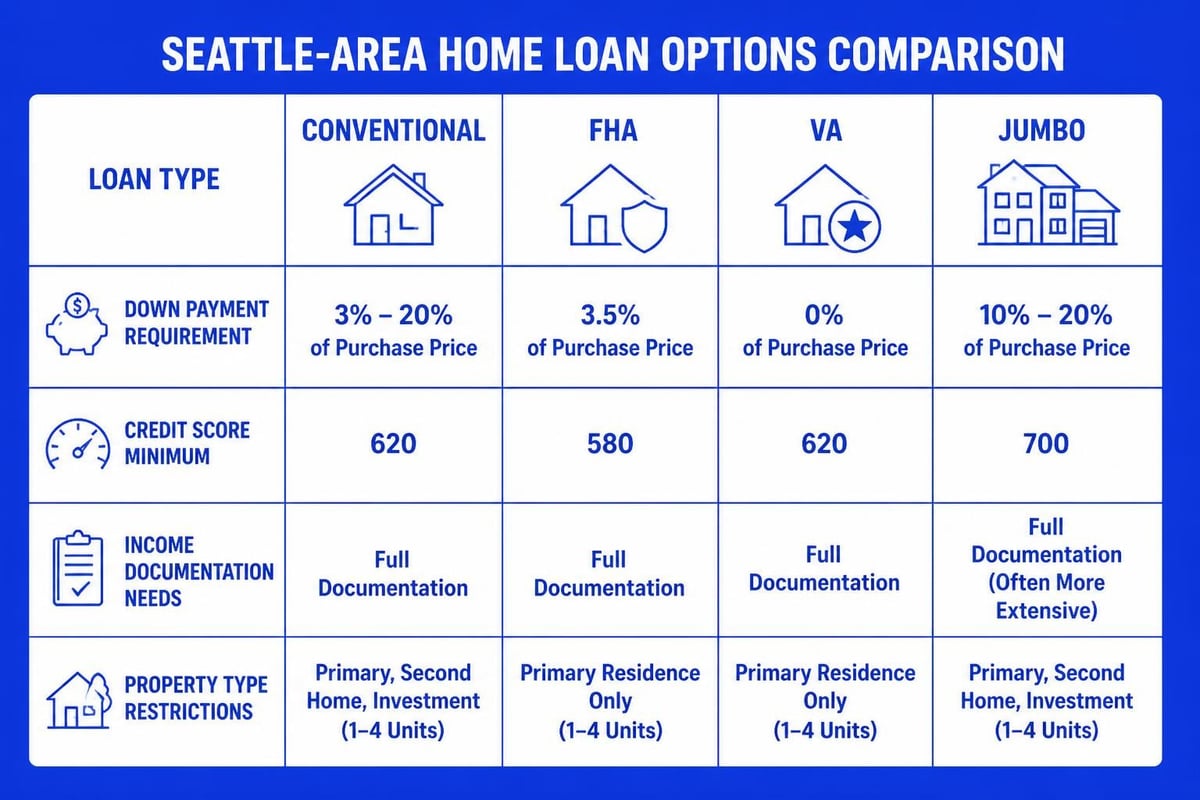
Conventional conforming loans offer competitive rates for borrowers with strong credit profiles and stable income. These loans follow guidelines established by Fannie Mae and Freddie Mac, with maximum loan amounts of $806,500 in King County for 2026.
Down payment requirements typically range from 3% to 20%, though putting down less than 20% triggers private mortgage insurance (PMI). For Amazon and Microsoft employees with significant RSU income, demonstrating two-year vesting history allows lenders to count this compensation toward qualifying income.
Jumbo Loans for Higher Price Points
Everett and Bellevue markets frequently exceed conforming loan limits, requiring jumbo financing. These loans demand stronger credit profiles, larger down payments (typically 10-20%), and more substantial reserve requirements.
Advanced underwriting capabilities enable experienced brokers to close jumbo loans quickly, often within 9 to 15 business days. This speed proves crucial when competing for properties in desirable Seattle neighborhoods where sellers prioritize certainty of closing.
Government-Backed Loan Programs
First-time homebuyers often benefit from FHA, VA, or USDA loan programs that offer lower down payment requirements and more flexible credit guidelines.
- FHA loans: 3.5% down payment, credit scores as low as 580
- VA loans: Zero down payment for eligible veterans and active military
- USDA loans: Zero down payment for eligible rural properties
Understanding which program best fits your situation requires analyzing your complete financial profile and long-term homeownership plans.
The Property Search and Offer Strategy
Finding the right property requires balancing your wishlist against market realities and budget constraints. Seattle's competitive environment demands strategic thinking about must-have features versus nice-to-have amenities.
Working with experienced real estate professionals who understand local market dynamics helps identify opportunities before they hit major listing platforms. Your agent's relationship with listing agents can provide critical intelligence about seller priorities and competing offers.
Crafting Competitive Offers
Strong pre-approval letters demonstrate your financing readiness and commitment to the house purchase. Sellers in Redmond and Kirkland often receive multiple offers, making your financial qualification a differentiator.
Consider these offer strategies in competitive situations:
- Escalation clauses: Automatically increase your offer up to a maximum price
- Appraisal gap coverage: Commit to covering differences between offer price and appraised value
- Flexible closing timelines: Accommodate seller's preferred move-out schedule
- Minimal contingencies: Remove unnecessary conditions while protecting your interests
- Personal letters: Connect emotionally with sellers (where permitted)
Balance competitiveness with financial prudence. Overextending yourself financially creates stress throughout homeownership and limits your ability to handle unexpected expenses.
Home Inspection and Appraisal Process
Once your offer receives acceptance, the house purchase enters the due diligence phase. Professional home inspections reveal property condition issues that may affect your decision or provide negotiating leverage.
Budget $400 to $800 for comprehensive inspections covering structure, systems, and specialized concerns like sewer lines or radon. Seattle's older housing stock in neighborhoods near the University District often requires additional scrutiny of foundation, electrical, and plumbing systems.
Understanding the Appraisal
The home appraisal protects lenders by ensuring the property value supports the loan amount. Licensed appraisers analyze recent comparable sales, property condition, and market trends to determine fair market value.
Appraisal gaps occur when the determined value falls below the purchase price. This situation requires either:
- Renegotiating the purchase price downward
- Increasing your down payment to maintain the loan-to-value ratio
- Challenging the appraisal with additional comparable data
- Terminating the contract and recovering earnest money
Experienced brokers help navigate appraisal challenges by providing appraisers with relevant comparable sales data and maintaining communication throughout the valuation process.
Underwriting and Final Approval
Mortgage underwriting represents the comprehensive review of your financial profile, employment stability, and property characteristics. Underwriters verify all documentation, assess risk factors, and issue conditional approval with specific requirements.
Common Underwriting Conditions
Expect requests for additional documentation as underwriters scrutinize every aspect of the transaction:
- Employment verification: Direct contact with HR departments within 10 days of closing
- Bank statements: Updated statements if more than 60 days old
- Gift funds: Documentation of source and transfer for down payment assistance
- Credit inquiries: Explanation letters for any new credit applications
- Property requirements: Repairs identified through appraisal or inspection
Tech professionals should anticipate questions about stock compensation volatility and vesting schedules. Providing clear documentation upfront prevents delays and demonstrates preparation.
Maintaining financial stability during underwriting is critical. Avoid these common mistakes:
- Opening new credit accounts or making large purchases
- Changing jobs or employment status
- Making large unexplained deposits to bank accounts
- Co-signing loans for friends or family members
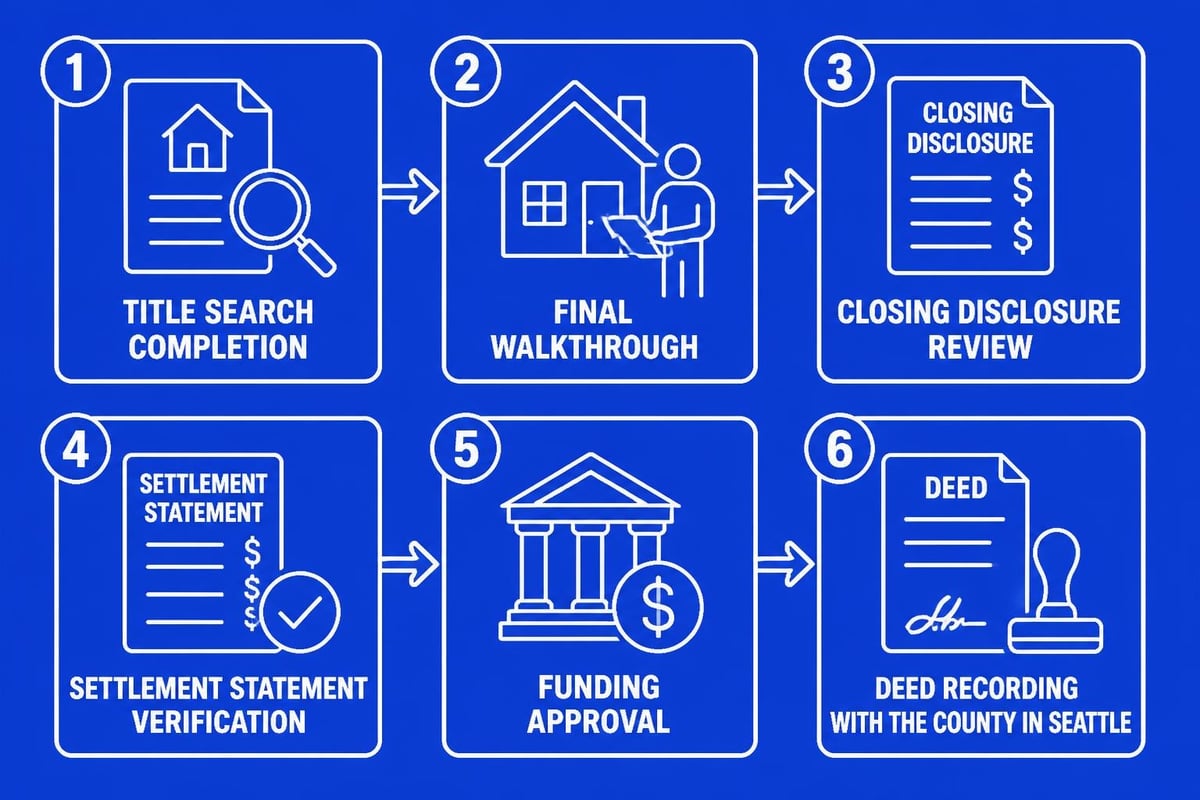
Closing Preparation and Final Steps
The closing process brings together all parties to finalize the house purchase and transfer ownership. You'll receive a Closing Disclosure at least three business days before settlement, detailing all costs, loan terms, and payment obligations.
Review this document carefully against your Loan Estimate to ensure consistency. Question any unexpected fees or changes to agreed-upon terms immediately.
What to Bring to Closing
Prepare these items for your closing appointment:
- Government-issued photo ID: Driver's license or passport for all borrowers
- Cashier's check or wire confirmation: For remaining down payment and closing costs
- Homeowner's insurance proof: Paid policy effective on closing date
- Final walkthrough notes: Document any issues discovered during inspection
The closing typically takes 60 to 90 minutes as you sign loan documents, transfer documents, and tax forms. Title companies in Seattle facilitate these meetings and ensure proper recording of deeds and liens.
Understanding Your Closing Costs
Total closing costs typically range from 2% to 5% of the purchase price, including:
| Cost Category | Typical Range | Description |
|---|---|---|
| Lender Fees | $1,500-$3,000 | Origination, underwriting, processing |
| Title Insurance | $1,000-$2,500 | Protection against ownership disputes |
| Escrow/Attorney | $500-$1,500 | Settlement services and coordination |
| Prepaid Items | $2,000-$5,000 | Property taxes, insurance, interest |
| Recording Fees | $200-$500 | Government filing and transfer taxes |
Mill Creek and Shoreline properties may have additional HOA transfer fees or special assessments. Understanding these costs early allows accurate budgeting and prevents surprises at settlement.
Special Considerations for Tech Professionals
Seattle's technology sector creates unique opportunities and challenges for house purchase financing. Stock-based compensation significantly increases purchasing power when properly documented and underwritten.
Qualifying RSU and Stock Income
Mortgage guidelines permit using RSU income after demonstrating two-year history of receipt and likelihood of continuation. This requires:
- Vesting schedules: Documentation showing future vesting dates and amounts
- Historical receipts: Two years of 1099 forms or W-2 showing stock income
- Current employment: Verification of continued employment and equity grants
- Valuation: Conservative approach using averaged values over vesting period
For professionals recently joining companies like Google or Amazon, understanding how quickly you can qualify for mortgage financing with equity compensation helps plan your house purchase timeline.
Bonus Income Documentation
Annual bonuses and performance incentives strengthen your application when consistently received over two years. Underwriters average this income across 24 months, requiring documentation through tax returns and year-end pay stubs.
Recent job changes don't disqualify you from using bonus income if you remain in the same industry and maintain comparable compensation levels. Offer letters detailing bonus structures help establish eligibility for income consideration.
Post-Closing House Purchase Responsibilities
Homeownership responsibilities begin immediately after closing. Understanding ongoing obligations prevents financial stress and protects your investment.
Budgeting for Homeownership Costs
Beyond mortgage payments, budget for these recurring expenses:
- Property taxes: King County rates average 1.0% to 1.2% of assessed value annually
- Homeowner's insurance: $1,200 to $2,500 annually depending on coverage and location
- HOA fees: $200 to $800 monthly in Bellevue and Redmond condominiums
- Maintenance reserves: 1% to 2% of home value annually for repairs and updates
- Utilities: Water, sewer, electricity, gas, garbage service
Creating a comprehensive homeownership budget before your house purchase ensures you maintain financial flexibility for unexpected expenses and lifestyle goals.
Building Home Equity Strategically
Your house purchase represents both shelter and investment. Strategic decisions accelerate equity building:
- Making extra principal payments: Even small additional payments significantly reduce loan term
- Strategic improvements: Focus on kitchen and bathroom updates with strong ROI
- Energy efficiency upgrades: Reduce operating costs while increasing property value
- Maintaining detailed records: Document all improvements for future appraisals or sales
Seattle's strong appreciation history rewards patient homeowners who maintain properties and make strategic improvements aligned with neighborhood character.
Navigating Seattle's Competitive Market
Understanding local market dynamics improves your house purchase strategy and outcomes. Seattle's limited inventory and strong employment growth create sustained demand pressure on available properties.
Neighborhood-Specific Strategies
Each Seattle-area community presents unique characteristics affecting your approach:
Shoreline: Family-friendly neighborhoods with strong schools and reasonable commute times to downtown Seattle. Inventory moves quickly, requiring pre-approval and immediate showing availability.
Lynnwood: More affordable entry point with improving transit connectivity through light rail expansion. Growing diversity and new development create opportunities for value appreciation.
Lake Forest Park: Established neighborhoods with mature landscaping and strong community identity. Properties often stay within families, creating limited inventory and strong competition.
Mill Creek: Master-planned community with extensive amenities and newer housing stock. HOA dues require careful budget consideration but provide maintained common areas and facilities.
Everett: Industrial employment base plus Boeing presence creates steady housing demand. Waterfront properties and historic homes offer character at more accessible price points than central Seattle.
Successfully completing a house purchase in Seattle's competitive market requires financial preparation, strategic thinking, and experienced guidance through complex mortgage processes. Whether you're leveraging stock compensation, navigating jumbo financing, or exploring first-time buyer programs, having a knowledgeable partner makes the difference between frustration and confidence. Keith Akada at Mortgage Reel brings 25+ years of expertise helping Seattle-area buyers navigate every aspect of mortgage financing, from pre-approval through closing, with transparent communication and proven execution that has earned 750+ five-star reviews across multiple platforms.